Why Galapagos Sea Lions Became Masters of Survival
Across volcanic coastlines, isolated beaches, and nutrient-rich Pacific waters, Galapagos sea lions evolved into one of the most adaptable marine mammals in the archipelago.
Their survival depends on ocean currents, hunting behavior, protected breeding zones, and environmental systems that exist almost nowhere else on Earth.

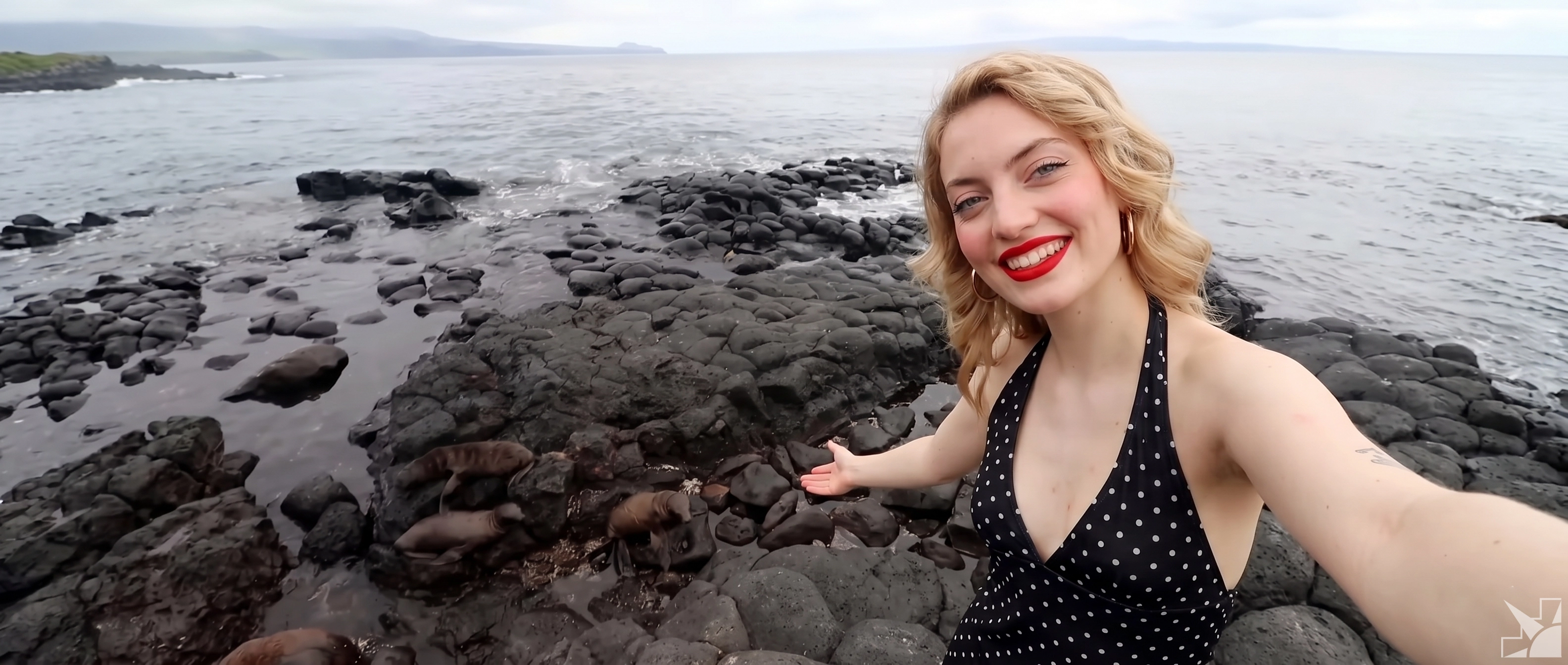
Galapagos sea lions adapted to volcanic islands shaped by Pacific ocean systems.
Built for Changing Oceans
Unlike many marine mammals, Galapagos sea lions survive within highly unstable ocean conditions influenced by Pacific currents, seasonal warming, and volcanic geography.
Cold nutrient-rich currents allow fish populations to flourish, creating feeding systems that support entire sea lion colonies throughout the islands.
Scientists studying Galapagos ecosystems continue monitoring how environmental shifts affect breeding behavior, hunting patterns, and long-term survival across the archipelago.
Ocean currents surrounding the Galapagos create one of the richest marine ecosystems in the Pacific.
Galapagos sea lions evolved under isolated conditions unique to the Ecuadorian archipelago.
Marine conservation zones help preserve wildlife populations throughout the islands.
Why Galapagos Sea Lions Thrive in Isolation
The Galapagos Islands created a marine ecosystem where sea lions evolved alongside volcanic coastlines, cold-water currents, and highly protected breeding environments.
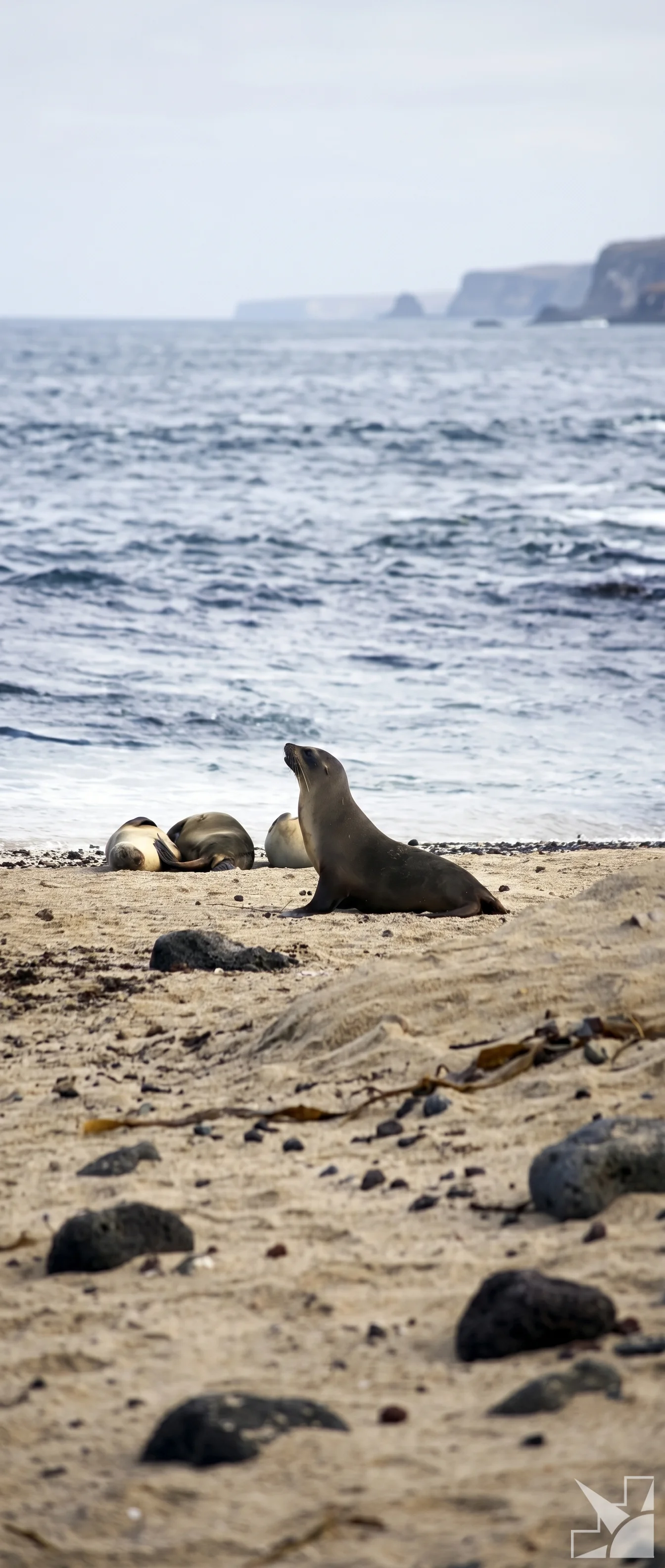
Breeding zones throughout the islands help stabilize wildlife populations.
Ocean Currents Changed Everything
The Humboldt Current and Cromwell Current transport cold nutrient-rich waters toward the Galapagos archipelago, creating feeding systems capable of sustaining marine predators across isolated islands.
Those same environmental systems also support marine iguanas, penguins, reef species, and volcanic coastal ecosystems explored during luxury expedition routes across the islands.
Travelers exploring routes such as M/V Galapagos Legend or premium wildlife expeditions like Galapagos luxury cruise experiences often observe sea lion colonies directly along volcanic beaches and protected marine areas.
Scientists continue studying how warming ocean temperatures influence breeding cycles, feeding behavior, and migration patterns throughout the Galapagos marine reserve.
The Galapagos Marine Reserve remains one of the most important protected ocean ecosystems in the world.
Cold-water currents create feeding systems supporting sharks, sea lions, turtles, and endemic wildlife.
Wildlife-focused cruises allow travelers to explore remote beaches inaccessible through conventional tourism.
The Galapagos Functions as One System
Sea lions survive because the Galapagos ecosystem connects volcanic islands, ocean currents, marine reserves, and isolated wildlife colonies into one highly specialized environmental network.
Why the Galapagos Still Matters Today
The survival of Galapagos sea lions represents something larger than one species. Their existence reflects the balance between ocean systems, isolation, volcanic geography, and environmental protection across the Pacific.
Researchers continue monitoring ecosystem changes throughout the islands as warming oceans, tourism pressure, and shifting marine conditions reshape wildlife behavior across the archipelago.
For travelers, the Galapagos remains one of the rare destinations where evolution, biodiversity, and marine life can still be observed directly in the natural world.
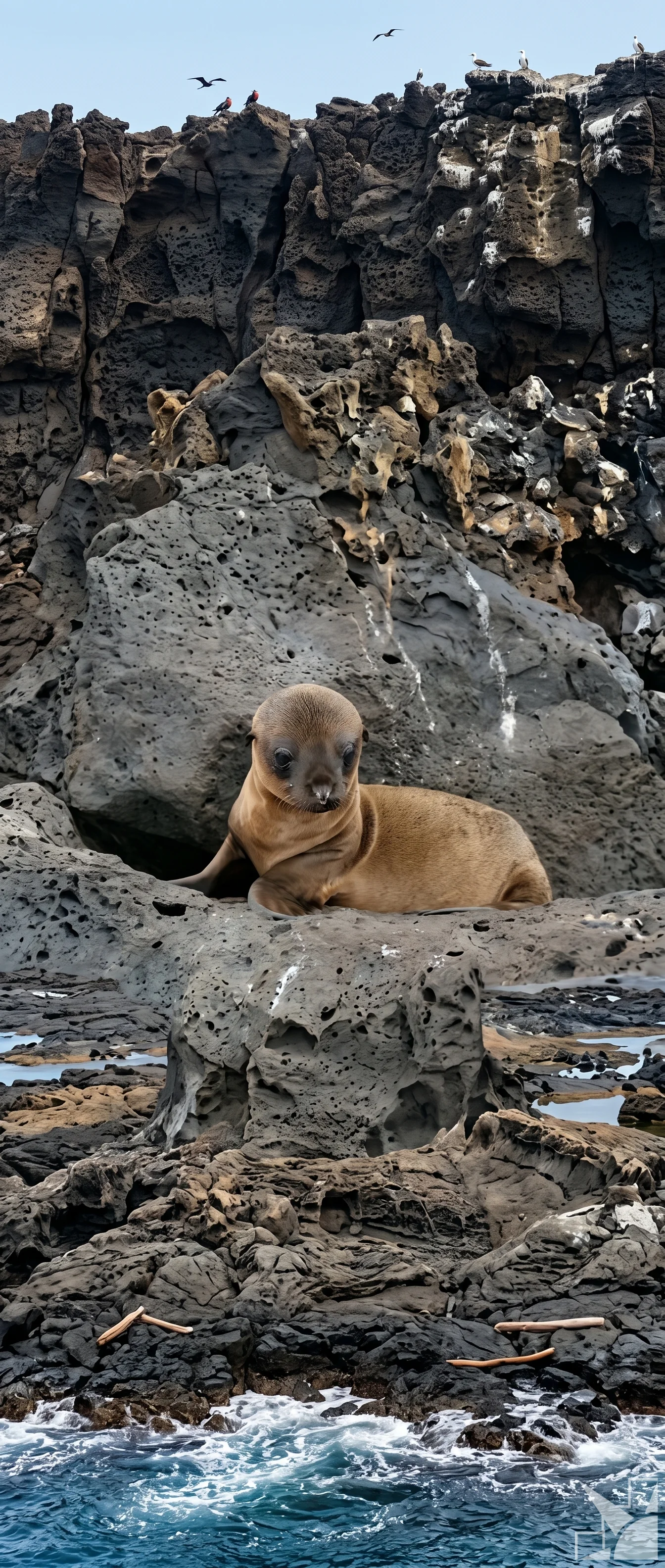
Sea lion colonies remain part of one of Earth’s most protected marine ecosystems.
Explore More Galapagos Expeditions
Wildlife-focused expeditions allow travelers to observe volcanic islands, marine reserves, endemic species, and remote Pacific ecosystems rarely accessible through traditional tourism.
Geographic isolation shaped the development of endemic marine species across the Galapagos.
Wildlife survival depends on environmental adaptation within changing Pacific conditions.
Protected marine reserves remain essential for preserving Galapagos biodiversity.
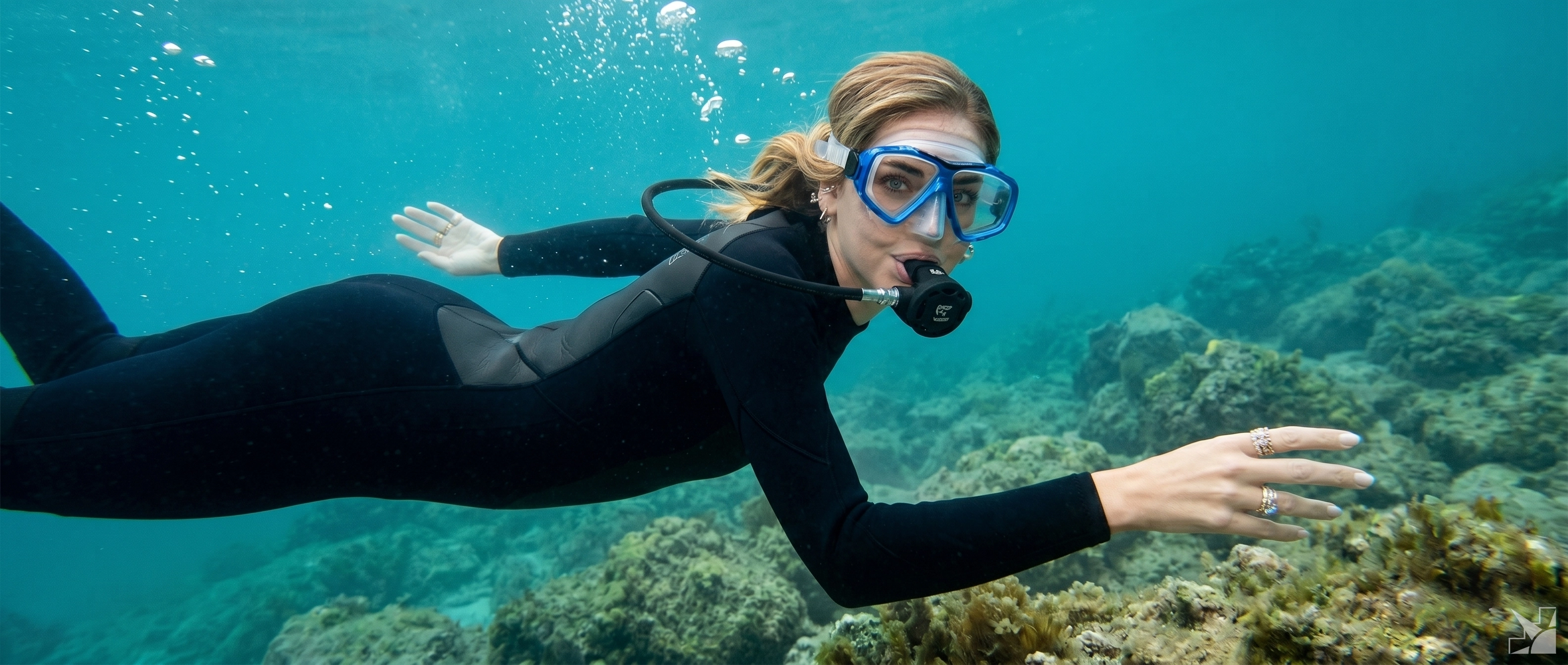
The Galapagos Is Still One of Earth’s Last Living Laboratories
From sea lion colonies and marine iguanas to volcanic islands shaped by Pacific currents, the Galapagos continues to reveal how isolation, biodiversity, and adaptation transform life itself.