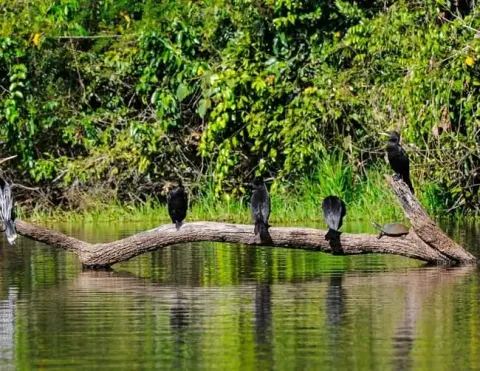
Embark on a 9-day rafting expedition in Peru’s Amazon Basin—Tambopata River rapids, camping on river beaches, encounters with monkeys, tapirs and giant otters, and dawn at the macaw clay lick. Designed for U.S. travelers seeking adventure and wildlife immersion.


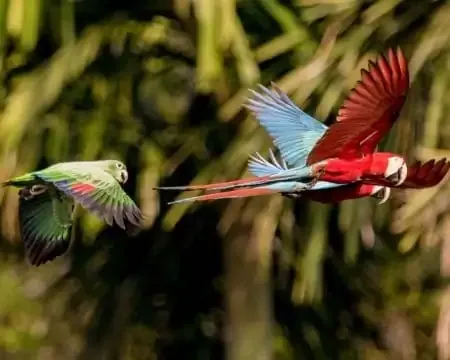
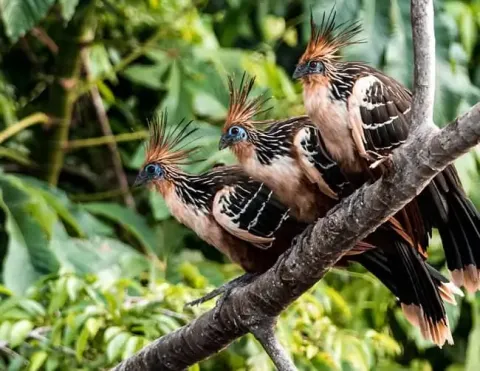
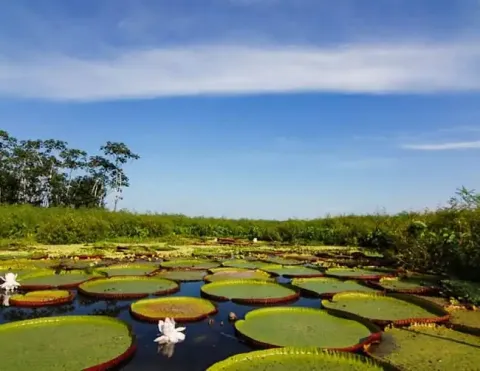
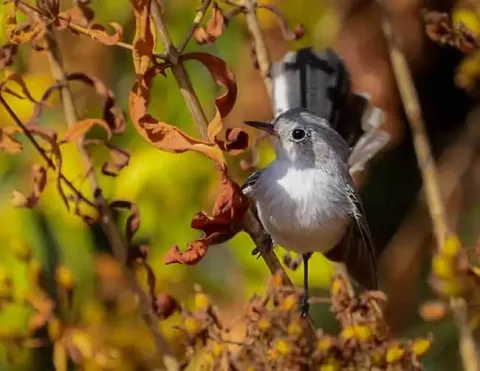
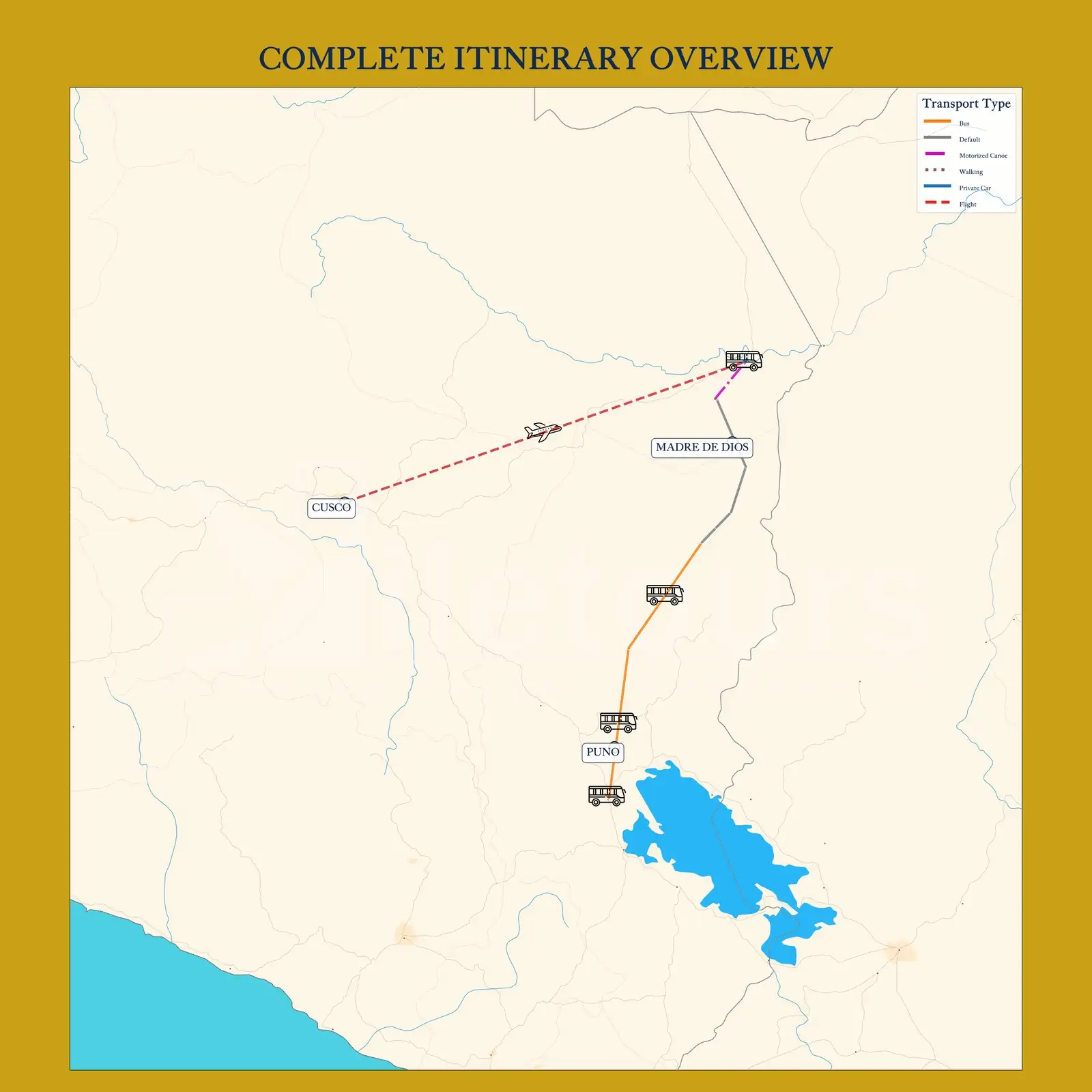
OVERVIEWLocation: Peru Our expedition starts on the shores of Titicaca Lake, the highest navigable lake in the world at 15,480 meters above sea level. From the town of Juliaca, we travel across the altiplano into high tropical rain forest where we begin our rafting journey. We’ll leave behind the last signs of pioneer farmers, gold-panners and human settlements and enter the magical and mysterious world of the Amazon Rainforest. For seven days we’ll raft through a natural habitat seeing a high diversity of plants and animals, including 8 species of macaws, 13 species of monkeys, 530 species of birds, ocelot, jaguar, capybara, tapir, caiman, and the giant river otter We’ll run Class III and IV rapids before arriving at the famous macaw lick. Waking-up at our campsite at dawn, we have a perfect view of these magnificent birds. From here we’ll begin our return journey by a motorized dugout canoe to the frontier town of Puerto Maldonado and then by airplane to Cusco. |
Whitewater Rafting The Tambopata Jungle
| Day 1: Juliaca – Amazon Basin. |
| Day 2 and 3: Tambopata River. |
| Days 4, 5, 6, 7, 8: Tambopata River Rafting. |
| Day 9 : Puerto Maldonado Cusco. |
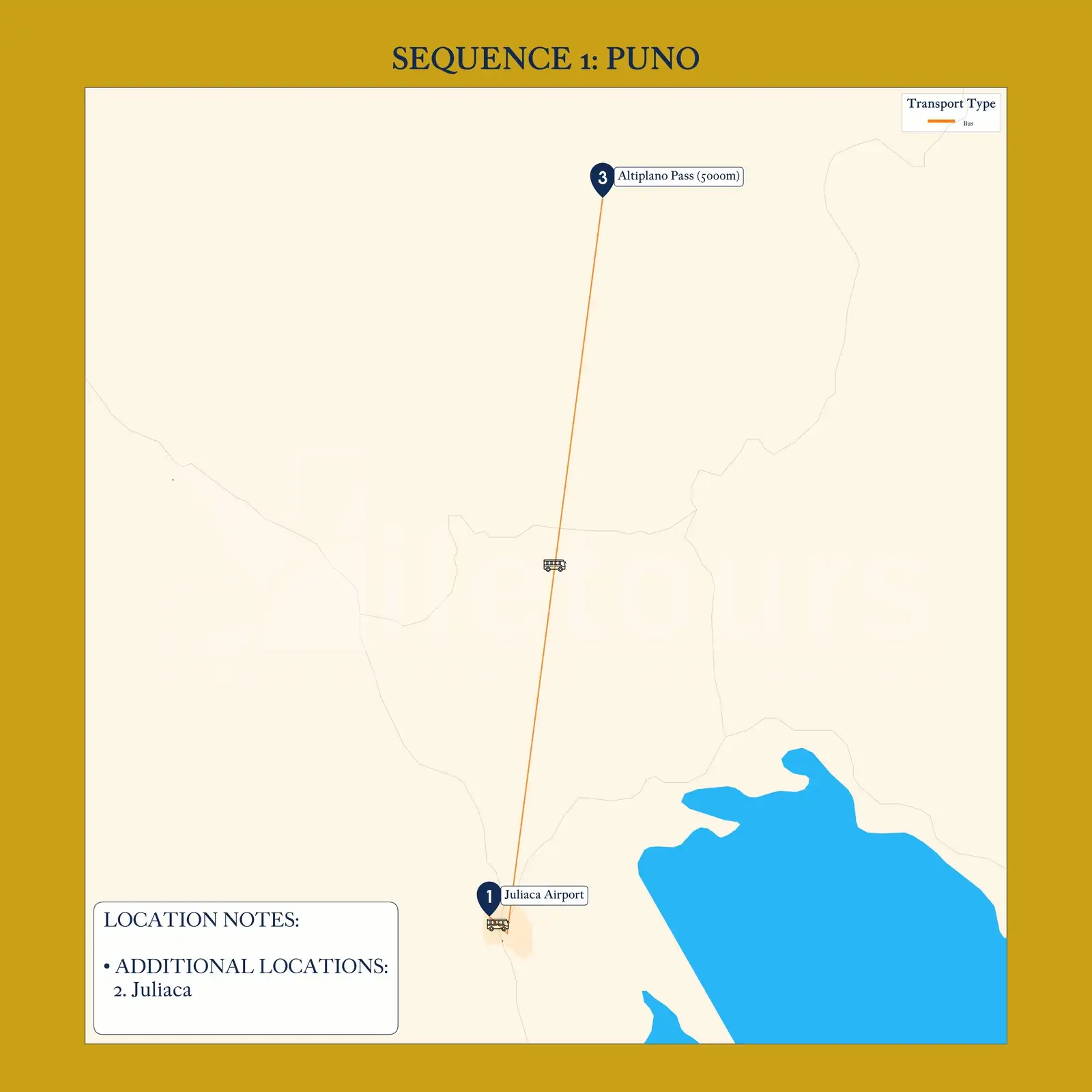
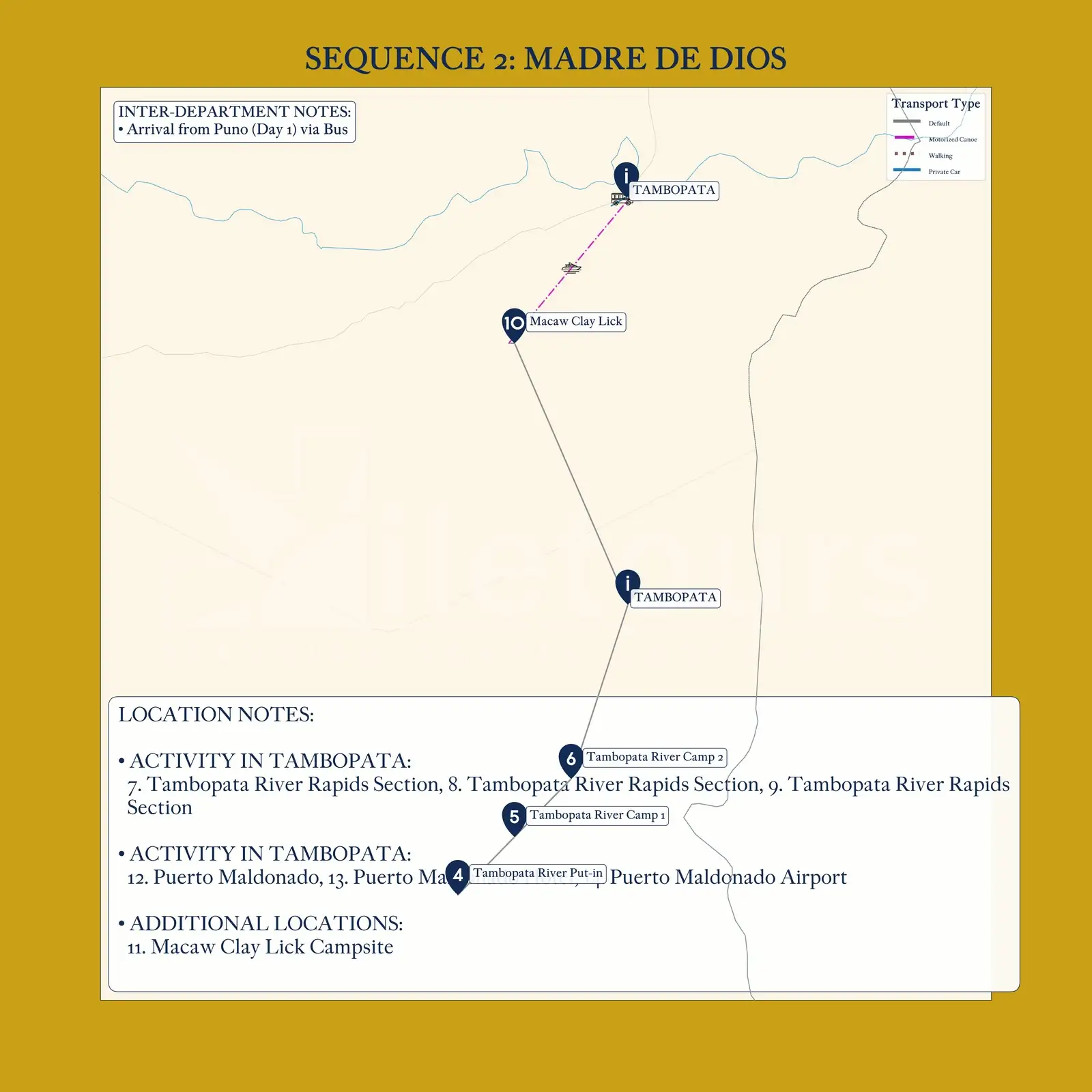
ITINERARY DETAILSDay 1: Juliaca – Amazon BasinGreeting in Juliaca and board the bus that will take us across the altiplano and over a 5,000m pass down to the jungle. Here we will be ready to put-in at the edge of the Amazon Basin. Days 2, 3: Tambopata RiverAs we leave the last traces of civilization behind us we’ll enter a pristine rainforest using the river as our “highway”. We will raft down the Tambopata River camping on sandy beaches where we will have a chance to encounter diverse wildlife. Days 4, 5, 6, 7, 8: Tambopata River RaftingSurrounded by lush vegetation, we will run class III and IV rapids. There is a good chance of seeing monkeys, capybaras, tapirs and giant river otters, among other animals. Our journey will take us through the macaw lick where we will spend the night camping on the river shore. At the crack of dawn, we will see a rowdy crowd of macaws with their variegated brilliance spattering the clay riverbank. Later a dugout motor canoe will meet us to take us to the frontier town of Puerto Maldonado where we will spend the night in a hotel. End of our services. Day 9: Puerto Maldonado CuscoEarly morning flight from Puerto Maldonado to Cusco. At this point, you can take an optional trips in Cusco, Machu Picchu and the Sacred Valley. |
Included:
Not Included:
What to bring:
|
FAQs – Your Tambopata River Expedition Questions Answered
| When is the best time to raft the Tambopata? May to November: dry season with safe conditions and stable water levels. What makes this tour different from others in Peru? It’s a 9-day Amazon expedition with rafting, beach camping, and wildlife observation. What type of travelers usually book this tour? Adventurers seeking pristine nature, jungle rafting, and authentic experiences. Do I need prior rafting experience? No—guides provide instruction and safety, suitable for beginners and experts. What kind of accommodation is included? Campsites on river beaches and hotel in Puerto Maldonado. Are transfers included? Yes—includes ground transport from Juliaca and flight Puerto Maldonado–Cusco. What altitude is reached during the tour? 5,000 m pass in the altiplano; rafting in lowland Amazon basin. What kind of weather should I expect? Cold in the highlands, warm and humid in the Amazon rainforest. What should I pack for this expedition? Light clothing, rain gear, insect repellent, sunscreen, comfortable shoes, and binoculars. Is this tour eco-friendly? Yes—we work with local communities, minimize waste, and respect biodiversity. Can the itinerary be customized? Yes—you can add nights in Cusco or combine with Machu Picchu and Sacred Valley. What wildlife can be observed? Monkeys, capybaras, tapirs, giant river otters, and macaws at the clay lick. |