The Traditional Inca Trail Is A Pedestrian Exercise.
Walking a congested historical path is not the only vector to Machu Picchu. The Inca Jungle Trek is a multi-sport kinetic descent engineered for high-octane travelers. It transitions from glacial altitudes (4,300m) to the deep high-jungle basin (1,500m) utilizing gravity, hydro-dynamics, and mechanical systems.
Most agencies dilute this route with sub-par bicycles and untrained rafting logistics, treating it as a budget alternative. We analyze the exact biomechanical requirements and logistical architecture needed to execute the ultimate multi-vector descent into the Inca citadel.
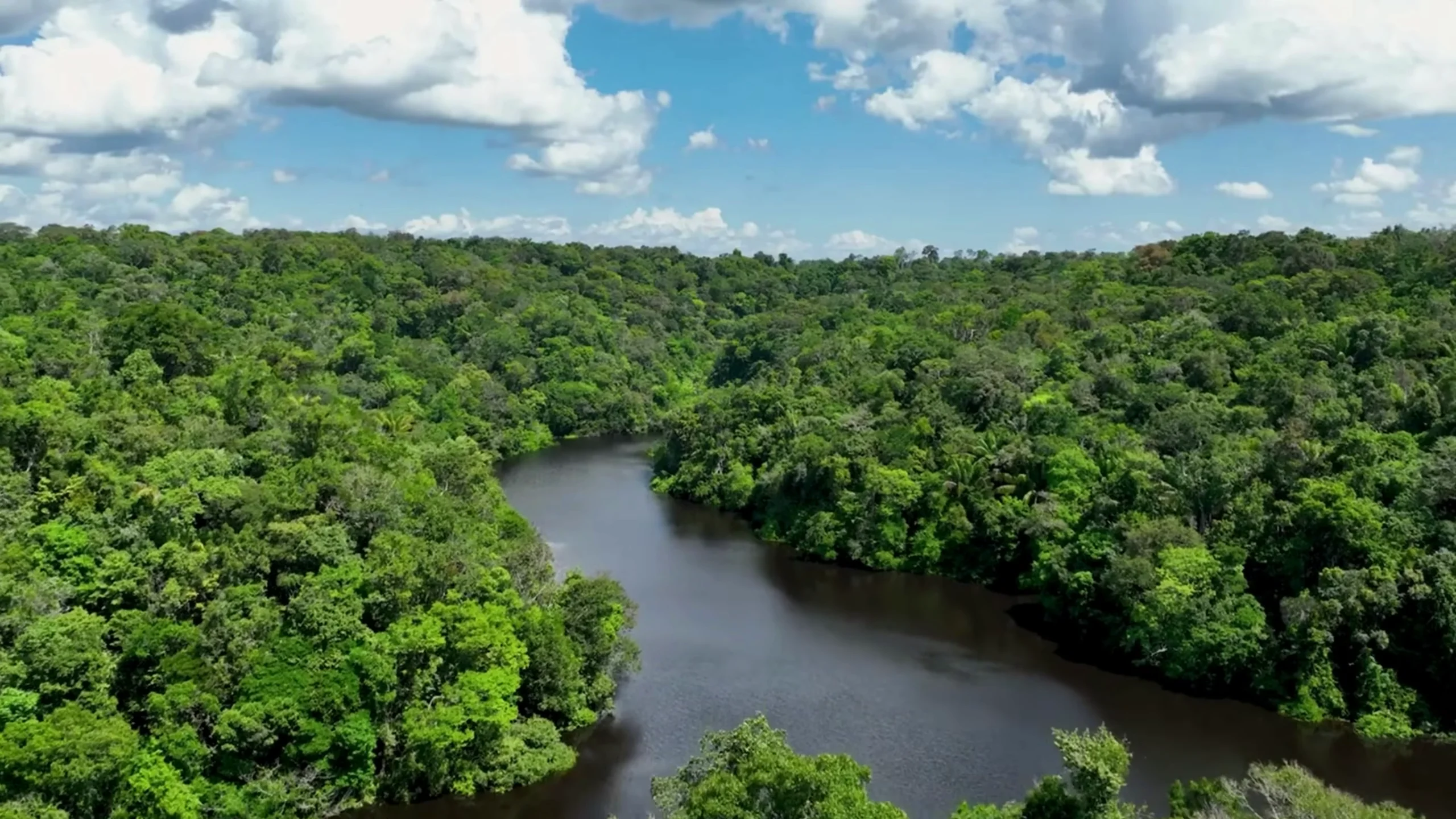
From the freezing asphalt of Abra Málaga to the humid canopy of Santa María in a single continuous gravity feed.
The Three Vectors Of Insertion
Gravity Feed
(Mountain Biking)
An unforgiving 60-kilometer downhill sprint. Relying on consumer-grade brakes on the Abra Málaga descent is a fatal error. Tactical hydraulic disc brakes and full-face structural protection are non-negotiable for this asphalt and gravel plunge.
Hydro-Kinetic
(Class III-IV Rafting)
The Urubamba River dictates the pace. In Santa María, you bypass terrestrial routes and utilize the river's volumetric flow. Independent, unregulated rafting operators lack the necessary safety kayakers. Precision navigation is required.
Suspension & Trek
(High Jungle)
Traversing the Santa Teresa valley via ultra-high tension ziplines, followed by a rigorous high-humidity trek along the hydroelectric railway. This phase demands extreme heat management and strict vector-borne insect mitigation.
Surviving The Thermal Shock Of The Descent
The primary hazard of the Inca Jungle Trek is not the mountain biking itself, but the violent climate transition. You are initiating your descent at Abra Málaga (4,316m / 14,160ft) in near-freezing, hypoxic conditions surrounded by glaciers. Within a few hours of aggressive downhill velocity, you plunge straight into the high-humidity thermal basin of Santa María (1,500m / 4,921ft).
This abrupt thermal shift triggers rapid dehydration and equipment condensation. Budget operators ignore this, outfitting travelers with generic cotton apparel and unserviced bikes. Successful execution requires layered, moisture-wicking technical gear and mechanics trained to adjust hydraulic brake pressure as altitude and temperature fluctuate.
The 4-Day Kinetic Itinerary
The Asphalt Plunge
Deploy from Abra Málaga. A 3-hour extreme mountain bike descent covering over 60km of winding roads. Transition immediately into Class III whitewater rafting upon reaching the jungle floor at Santa María.
Deep Jungle Traverse
An intense 16km hike following original ancient Inca pathways carved into cliff sides. Arrive at the Cocalmayo Hot Springs in Santa Teresa for mandatory muscular recovery in volcanic thermal waters.
The Hydroelectric Insertion
Cross the valley via high-altitude canopy ziplines before executing the final 10km terrestrial push along the train tracks from Hidroeléctrica to Aguas Calientes, positioning you at the base of Machu Picchu.
Budget Operators Rely On Compromised Gear
Unlike the traditional pedestrian trail, the Inca Jungle Trek relies entirely on the structural integrity of mechanical and hydro-kinetic equipment. A snapped brake cable at 60 km/h or a deflated raft in Class IV rapids is a catastrophic event.
Attempting to stitch together cheap, fragmented local tours is the fastest way to jeopardize your physical safety. You must secure a professionally orchestrated itinerary that guarantees elite-tier hydraulic mountain bikes, certified safety kayakers, and immediate medical extraction contingencies.
Mastering The Continent
For extreme travelers demanding the absolute pinnacle of South American exploration, the kinetic descent to Machu Picchu is just the beginning. Connect the high Andes with the evolutionary isolation of the Pacific in one flawless master itinerary.
Execute Your Kinetic Descent Properly.
Stop trusting your life to unserviced budget equipment. Let our tactical expedition engineers secure your hydraulic mountain bikes, Class IV rafts, and zipline harnesses for a flawless, high-octane insertion into Machu Picchu.