Hiking the Inca Trail in Your 40s and 50s: What It Is Really Like
You do not need to be an ultra-runner or a twenty-something backpacker to walk into Machu Picchu through the Sun Gate. Here is an honest look at how hard the hike actually is, what slows people down, and how to pick a pace that lets you enjoy every mile.
The Truth About Age and the Inca Trail
If you are in your 40s, 50s, or even early 60s and wondering how hard the Inca Trail really is, you are asking the same question thousands of U.S. hikers ask every year. Online photos make the trek look either like an easy afternoon walk or an extreme mountain climb. The reality sits right in the middle.
Out on the trail, hikers in midlife are not the exception—they make up a huge share of the people who finish strong. Why? Because the Inca Trail rewards patience, steady pacing, and good preparation far more than raw speed. Younger hikers often burn themselves out rushing up the first steep climb, while experienced travelers know how to settle into a comfortable rhythm and save their legs.
Most travelers start by looking at the classic 4-day Inca Trail hike to Machu Picchu, which covers Patallaqta, Dead Woman's Pass, and Wiñaywayna before reaching Machu Picchu at sunrise. It is completely doable with sensible training, as long as you understand what actually makes the walk challenging.
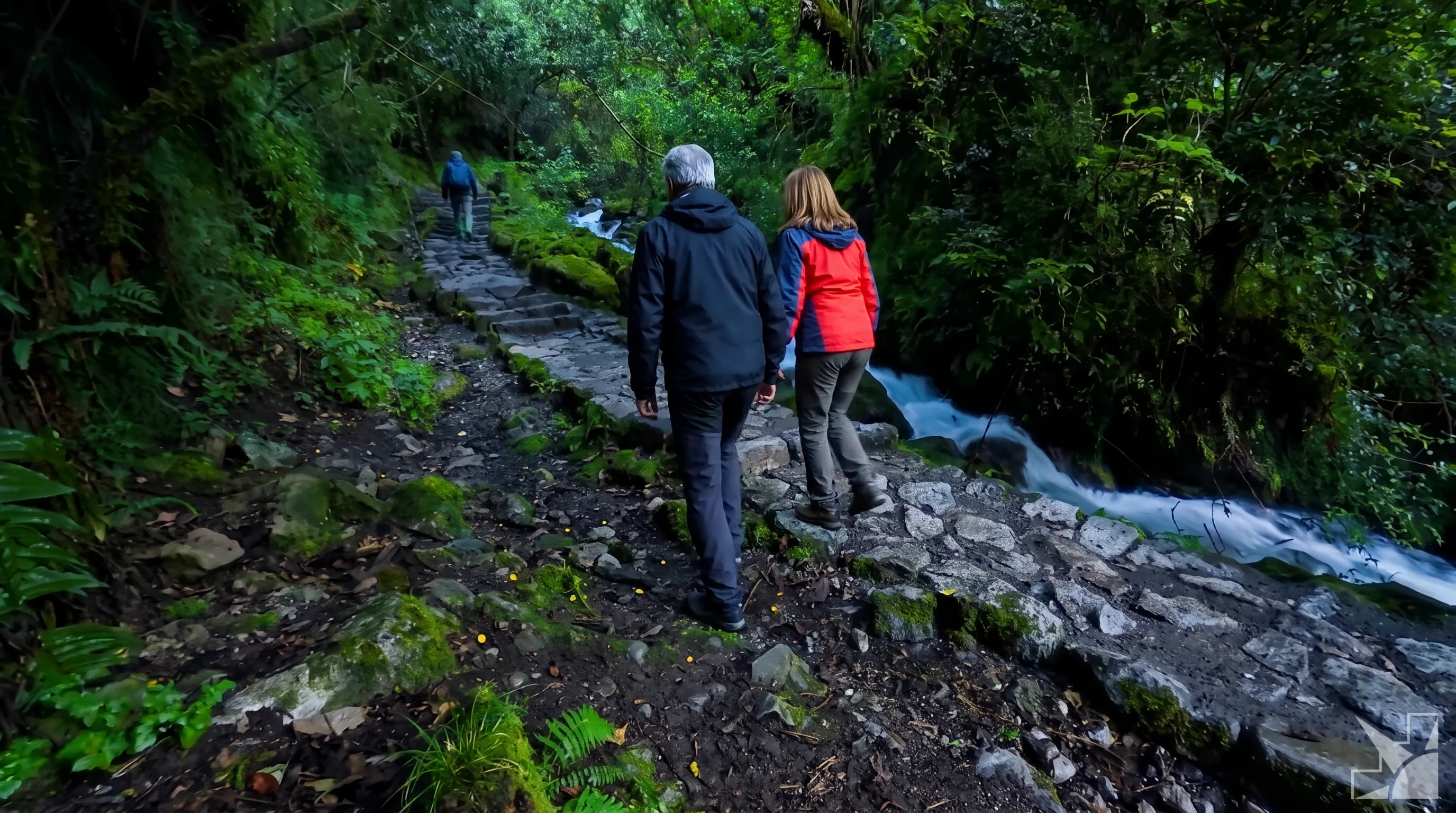
What Actually Makes the Trail Tough (And How to Handle It)
The Downhills Matter More Than You Think
Twenty-six miles spread over four days sounds mild on paper. What surprises most hikers in their 40s and 50s are the thousands of uneven stone steps—especially going downhill on Day 3. Training on stairs or a stair-climber at home and bringing quality trekking poles will save your knees more than any gym routine.
Give Yourself Extra Breathing Room
Thin mountain air affects everyone differently, no matter how fit you are. Spending two or three easy days in Cusco or the Sacred Valley before your hike is essential. If you prefer shorter daily walks and quieter campsites, choosing a slower 5-day Inca Trail trek breaks up the hardest stretches and leaves more time to explore the ruins along the way.
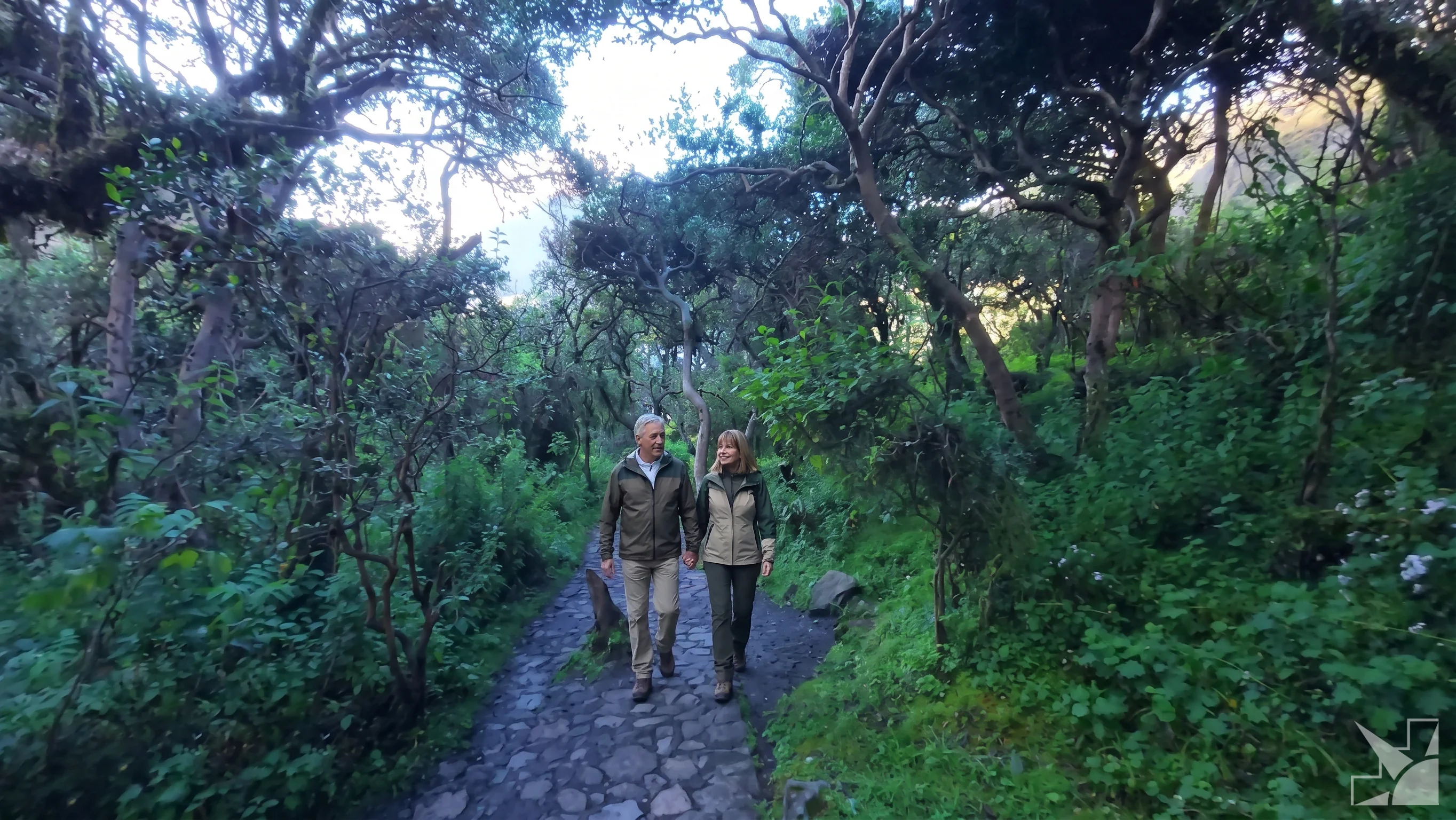
Do You Really Have to Sleep in a Tent to Hike the Inca Trail?
For a lot of travelers in their 40s and 50s, the hiking is not the dealbreaker—it is sleeping on the ground for three nights without a hot shower. Good news: you do not have to rough it just to walk the original Inca stone path into Machu Picchu.
If you want the hike without camping, the 2-day Short Inca Trail from Chachabamba to the Sun Gate is the easiest sweet spot. You hike the most scenic final stretch of the trail in one full day, pass the cliffside ruins of Wiñaywayna, and walk through Inti Punku above Machu Picchu—then take a short bus down to Aguas Calientes for a hot shower, a warm dinner, and a real hotel bed before touring the citadel the next morning.
Prefer the full trek, but want your trip to feel relaxed from the day you land in Peru? A 10-day luxury Inca Trail itinerary pairs Lima, Cusco, and the Sacred Valley with private guides, upgraded hotels, and top-notch trail meals so you arrive at the trailhead well-rested and properly acclimated.
What If Inca Trail Permits Are Sold Out for Your Dates?
Peru caps daily Inca Trail permits tightly, and peak months from May through September often sell out six months ahead. If your vacation window is fixed—or you simply want fewer crowds—two other routes to Machu Picchu are worth serious thought:
The Salkantay Trek (5 Days)
If you love dramatic scenery and do not mind a bit more elevation, the 5-day Salkantay Trek to Machu Picchu takes you past snow-covered peaks near Soraypampa and straight down into warm cloud forest through Colpapampa and La Playa. It feels wilder than the classic trail and requires no limited Inca Trail permit.
The Lares Trek (4 Days)
For a calmer walk focused on real Andean life, the 4-day Lares Trek to Machu Picchu trades busy stone staircases for natural hot springs, traditional weaving villages like Huacawasi, and alpine lakes such as Ipsaycocha before connecting to Ollantaytambo and Machu Picchu.
How to Get Ready for the Inca Trail Without Living at the Gym
You do not need a complicated fitness plan to enjoy hiking in Peru. Most travelers in their 40s and 50s feel great on the trail simply by building steady walking stamina three to four months before departure.
Train on Stairs, Not Flat Roads
Walk hilly trails or use a stair machine a few times a week wearing the exact boots and light daypack you plan to bring. Breaking in your shoes early prevents the blisters that ruin otherwise easy days.
Aim for the Shoulder Months
April, May, September, and October hit the sweet spot: green mountain valleys, mostly dry skies, and fewer crowds than June or July. Keep in mind that the Inca Trail closes every February for upkeep.
Book Early & Arrive Early
Lock in your Inca Trail permit at least six months ahead, and build two relaxed days in Cusco or the Sacred Valley into your flight plan so your body adjusts smoothly before Day 1.
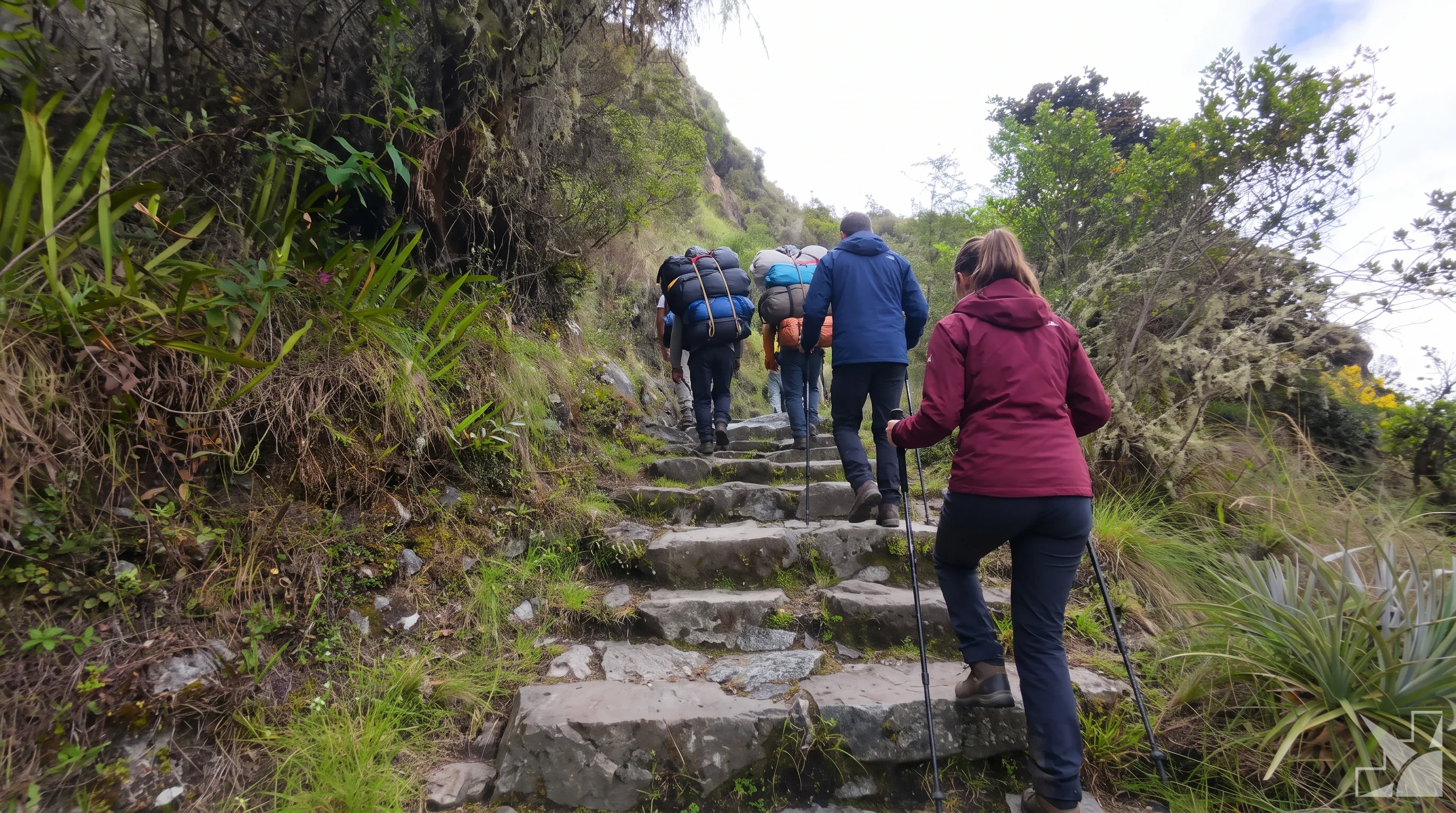
Turning Your Hike Into a Once-in-a-Lifetime Two-Week Trip?
Many U.S. travelers in their 40s and 50s use the flight down to South America to check off two dream destinations while they have the time. After trading hiking boots for warm ocean breezes, a 13-day Galápagos Islands and Inca Trail tour lets you pair the mountain walk to Machu Picchu with easy wildlife viewing and sea-level recovery in Ecuador—all arranged under one seamless itinerary.
Find the Right Inca Trail Pace for You
Not sure whether the 4-day classic hike, the 5-day slower route, the 2-day no-camping option, or an alternative trek fits your dates and knees best? Tell our local team in Cusco what you have in mind, and we will help you check permits and build a trip that feels just right.