The Hidden Truth About Staying in a Hotel.
Many older adults assume that sleeping on land is easier and more comfortable than taking a cruise. In the Galapagos, the exact opposite is true.
One of the biggest debates when planning this trip is "Galapagos cruise vs land based for seniors." On paper, staying in a hotel and taking day trips sounds very relaxing. You get a regular bed, local restaurants, and solid ground under your feet. However, this approach hides a very exhausting reality that travel brochures rarely mention.
If you are wondering "is island hopping in Galapagos good for older adults," you need to know about the public speedboats. To get from one island to another on a hotel-based trip, you have to sit on hard plastic benches inside crowded, noisy ferries for two to three hours each way. These small boats slam hard against the waves, which is brutal on your lower back and neck. By the time you finally reach the wildlife, you are already worn out.
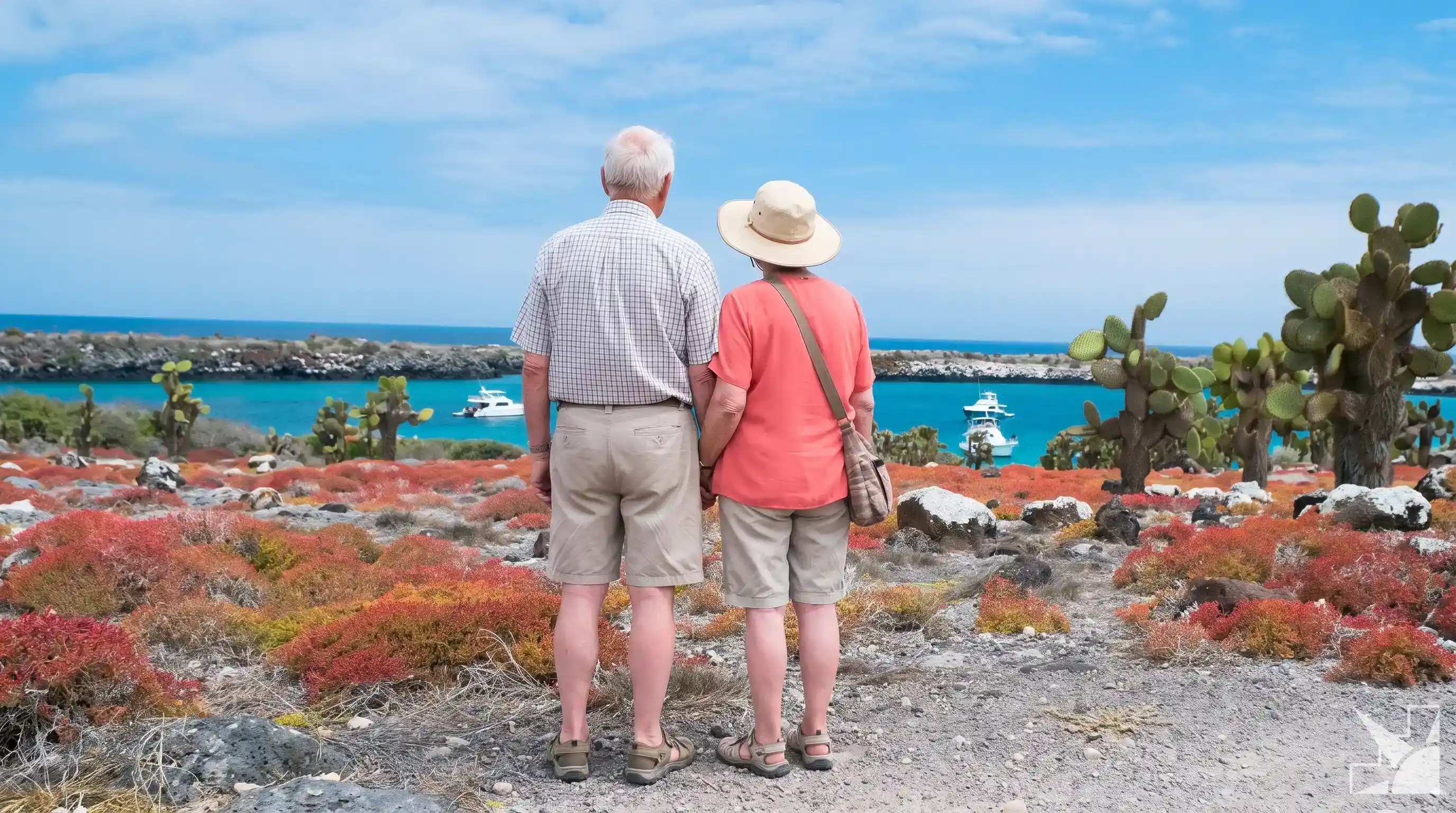
Why a Cruise Is Actually Easier on Your Body
A good expedition ship removes all the daily waiting, packing, and bumpy boat rides. Instead of spending half your vacation commuting to the animals, you wake up right next to them.
Unpack Your Suitcase Just Once
Hotel-hopping means constantly packing your bags, checking out by 10:00 AM, and waiting in noisy ports for your next ride. On a comfortable vessel like the Tip Top II Catamaran, you put your clothes in the closet on Day 1 and never touch your suitcase again until you go home. Your room travels smoothly with you while you eat dinner or sleep.
Skip the Bumpy Public Ferries
Instead of squeezing onto public speedboats with 30 other tourists, a luxury ship lets you travel in total peace. Booking a spacious yacht like the Natural Paradise Luxury Yacht means you can stretch out on a cushioned chair, enjoy a cup of tea, and arrive at remote islands completely fresh and ready to explore.
Traveling Alone Without Feeling Lonely.
Many retirees want to see the islands, but their spouse does not enjoy traveling, or they are exploring the world on their own. Going solo should not mean feeling left out or paying an unfair price.
When older adults look up "Galapagos cruises for solo seniors" or "traveling alone to Galapagos over 60," they almost always have the same two worries. First, nobody wants to sit by themselves at a quiet table in the corner while couples chat around them. On massive ocean cruise ships with thousands of people, it is very easy to feel invisible.
The second frustration is the cost. Most travel companies charge a steep "single supplement Galapagos cruise" fee, which basically forces you to pay for two people just to have your own room. It feels like a penalty simply for traveling by yourself.
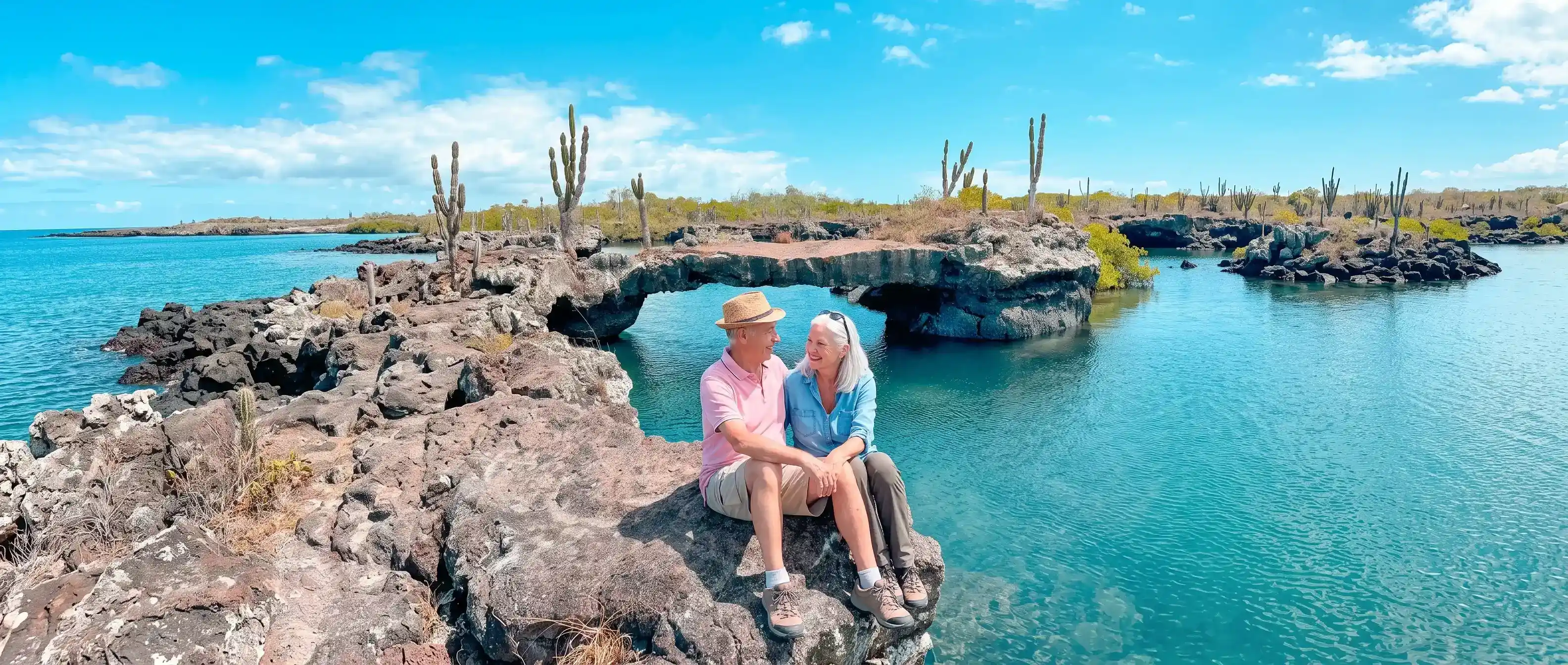
Why Solo Seniors Thrive in the Galapagos
Because everyone on board shares the exact same love for nature and wildlife, breaking the ice happens naturally within the first hour. You just need to pick a boat that welcomes solo guests properly.
Warm, Family-Style Dining
Unlike big ocean liners, expedition yachts have open seating in the dining room. On friendly, mid-sized vessels like the M/Y Coral I & II Yachts, guests naturally sit together at larger tables to share photos of the sea lions they saw that morning. You are never left sitting alone, and you always have the freedom to slip back to your cabin whenever you want some quiet time.
Smart Ways to Avoid Paying Double
You do not have to accept paying double for a room. Select first-class boats, such as the M/C Galápagos Seaman Journey, frequently offer special solo-traveler departures where the single supplement is reduced or waived completely. Working with a specialist lets you catch these exact dates so you get your own private suite at a fair price.
Senior Travel Guide // Money & Fees Part 03
No Surprises at the Airport: Cash, Fees, and Tipping.
Nothing ruins the start of a vacation faster than standing in an airport line and being told they do not take credit cards. Knowing how money works on the islands saves you from unnecessary stress.
Before packing their bags, smart travelers almost always search for "how much cash to bring to Galapagos" and "Galapagos cruise tipping guidelines." First, the good news: Ecuador uses the U.S. dollar, so you do not have to worry about confusing exchange rates. However, many visitors are caught off guard by how much actual paper cash is required on arrival.
The Galapagos National Park entrance fee ($200 per adult) and the airport transit card ($20) are strictly collected at the airport, and card machines frequently go down on the islands. On top of that, ATMs are rare and often run out of money. Arriving unprepared forces you to scramble for cash when you should be relaxing.
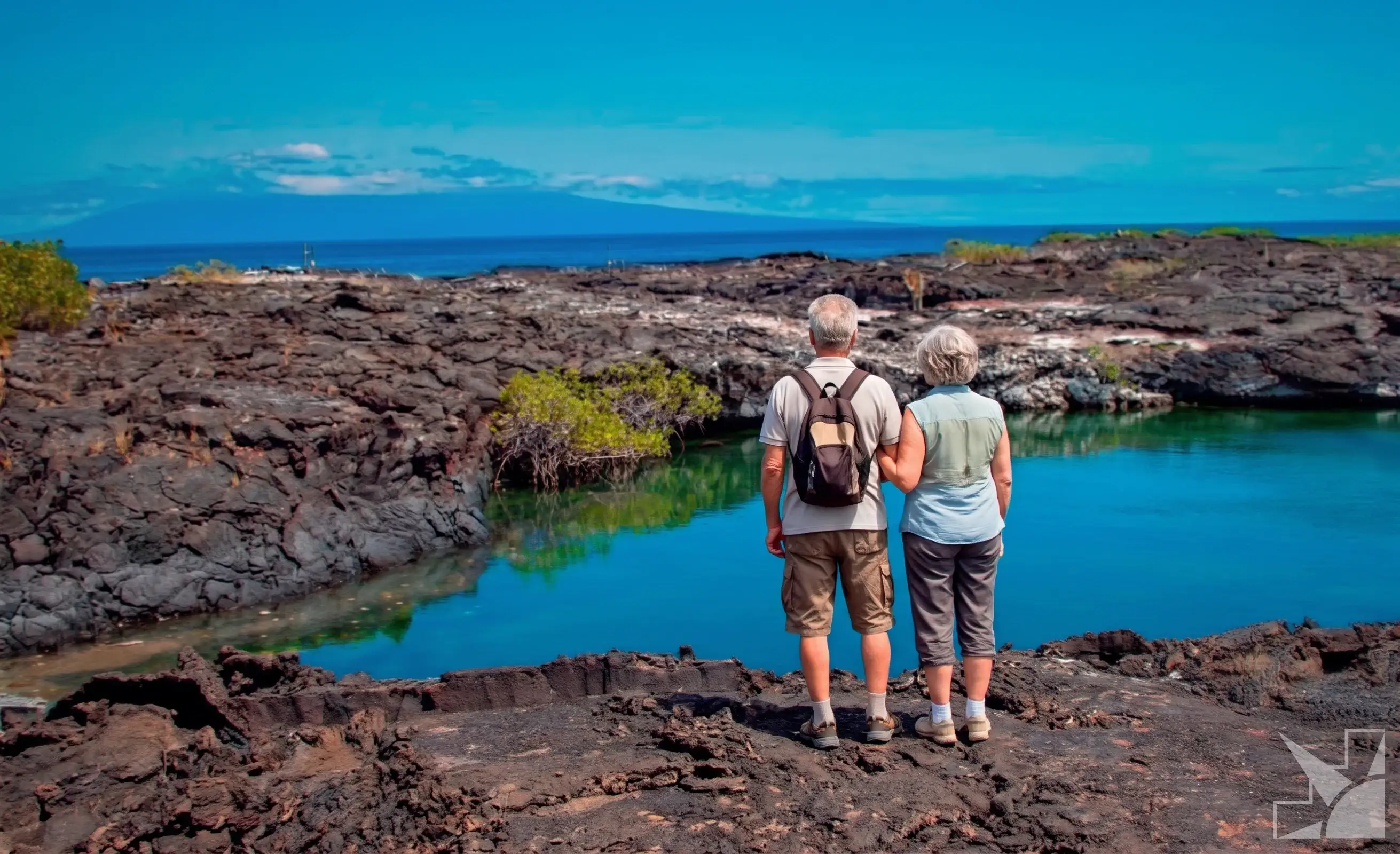
Bring Small, Crisp U.S. Bills
Local shops and airport desks will often reject torn bills or $100 notes. The easiest rule is to bring crisp $20 bills in an envelope specifically set aside for your park fees and small souvenirs. When you sail on well-organized vessels like the Tip Top IV First Class Yacht, your onboard bar tab and extras can usually be settled smoothly at the end of the week without any hassle.
Transparent Tipping Without the Awkwardness
You never have to guess who to tip or when. On premier boats like the Cormorant Luxury Yacht, the crew places two simple envelopes in your cabin on the final night—one for the naturalist guide and one shared among the entire crew. We give you the exact suggested amounts weeks before you leave home, so you can budget comfortably with zero awkward moments.
Get Every Detail Handled Before You Fly.
From choosing the right floating hotel to giving you a simple checklist for park fees and tipping, our team at Ile Tours makes sure there are zero surprises on your trip.