Senior Travel Protocol // Naval Engineering Log: 01

The "Intimate Yacht" Illusion.

Commercial agencies relentlessly market 16-passenger sailboats as the pinnacle of exclusivity. For mature adults susceptible to vestibular disruption, booking a low-tonnage vessel in the open Pacific is a severe medical miscalculation.

A dominant search intent among older adults planning this expedition is "best Galapagos ship for seasickness" or "Galapagos cruises for seniors prone to motion sickness." The travel industry's standard response is to prescribe medication and push their highest-margin product: the small, single-hull yacht. This ignores the laws of maritime physics.

The archipelago is battered by the Humboldt and Cromwell currents. A 16-passenger, single-hull vessel lacks the mass to displace these oceanic swells. Instead, it rides over them, resulting in violent pitching and rolling. For seniors, this continuous kinetic friction causes severe nausea, vertigo, and an absolute inability to achieve restorative sleep—effectively ruining the physical stamina required for the next day's excursions.

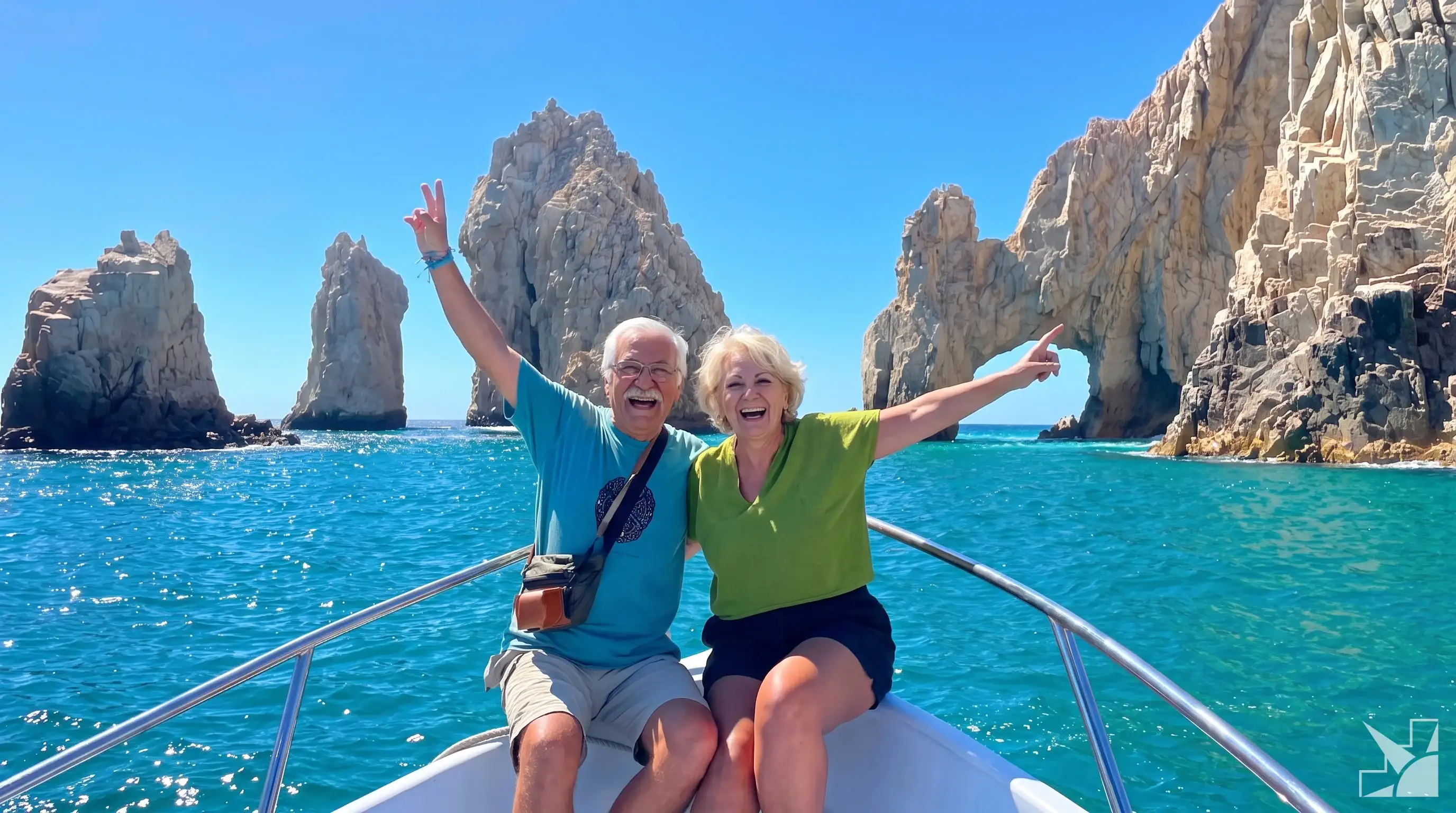
Solo senior traveler relaxing on catamaran deck with panoramic Galápagos ocean views
Solo traveler enjoying comfort and privacy aboard a stable Galápagos catamaran.
Fig 1.0: High-Tonnage Vessels Neutralize Vestibular Disruption

Engineering Stability: Mass and Hull Design

When evaluating "smooth sailing Galapagos cruises for older adults," you must replace the concept of "intimacy" with "hydrodynamic stability." Mitigating motion sickness requires booking vessels engineered specifically to pierce oceanic swells or distribute kinetic energy across a wider footprint.

I. The Displacement Tonnage Strategy

If you are highly sensitive to motion, sheer mass is your primary defense. Expedition ships like the M/V Galápagos Legend possess the heavy displacement tonnage required to cut through the chop rather than bobbing on top of it. This structural heft absorbs the ocean's kinetic energy, providing a highly stable, hotel-like environment that protects your inner ear balance during deep-water overnight navigations.

II. Wide-Stance Dual Hull Integration

If a larger 100-passenger ship is not preferred, the only medically sound alternative is a premium catamaran. By resting on two parallel hulls, vessels like the Sea Star Journey eliminate the pendulum-like lateral roll that plagues single-hull yachts. This wide stance ensures that your bed remains flat and stationary, allowing seniors to wake up fully rested and free of nausea.

Senior Travel Protocol // Internal Architecture Log: 02

The Lower Deck Liability.

Travelers frequently prioritize itinerary over cabin placement. For older adults, accepting a sub-optimal cabin assignment exposes them to severe acoustic stress, sleep deprivation, and claustrophobia.

When mature travelers search for the "best cabin location on Galapagos cruise," they are often driven by price to accept lower-deck standard cabins. This is a critical error in comfort and safety. Cabins situated below the waterline are located directly adjacent to the ship's engine room and generators. Throughout the night, passengers are subjected to relentless low-frequency acoustic vibration and diesel exhaust proximity, completely neutralizing the ability to achieve deep sleep.

Furthermore, discussions surrounding "lower deck vs upper deck Galapagos" rarely mention vertical mobility. A lower-deck cabin requires navigating a steep, narrow marine staircase just to reach the dining hall or the embarkation platform. In emergency situations or simply during nighttime bathroom visits while the ship is pitching, these stairs become a severe orthopedic hazard for seniors.

}

Fig 2.0: Main Deck Suites with Panoramic Fenestration Ensure Horizon Visibility

Strategic Suite Allocation

Horizon Alignment via Panoramic Windows

Lower-deck cabins rely on small portholes, which trigger claustrophobia and exacerbate seasickness because the brain cannot register the visual horizon. For those seeking "Galapagos ships with large windows," we strictly target upper-deck luxury catamarans. Booking a suite on the Cormorant Luxury Yacht guarantees floor-to-ceiling glass doors and a private balcony. This continuous visual lock on the horizon naturally stabilizes the inner ear, neutralizing nausea before it begins.

Zero-Friction Main Deck Architecture

To eliminate the staircase hazard, older adults must demand Main Deck allocations. Reserving a premium stateroom on a vessel like the Yate Infinity Luxury Cruise places your bed, the dining room, and the embarkation lounge on the exact same physical plane. You achieve total vessel mobility without ever needing to navigate a set of stairs, drastically reducing daily physical fatigue.

 

Senior Travel Protocol // Transfer Mechanics


The Dinghy Embarkation Hazard.

A highly stabilized luxury vessel is irrelevant if the process of leaving it is dangerous. The true physical bottleneck of this expedition lies in the daily transfer from the yacht to the island.

When mature adults research "Galapagos wet landings for older adults" or "how hard is it to get on the boats in Galapagos," they uncover a critical operational risk. To reach the islands, you must board an inflatable Zodiac (known locally as a Panga). Standard budget ships anchor in open swells, forcing passengers to step from a rolling hull down into a bouncing rubber dinghy.

Commercial operators consistently downplay the joint mobility and core balance required to execute this kinetic transfer. For seniors managing knee replacements or vestibular sensitivity, this exact moment—stepping across open water between two independently moving vessels—is where the highest percentage of orthopedic injuries occurs.

}

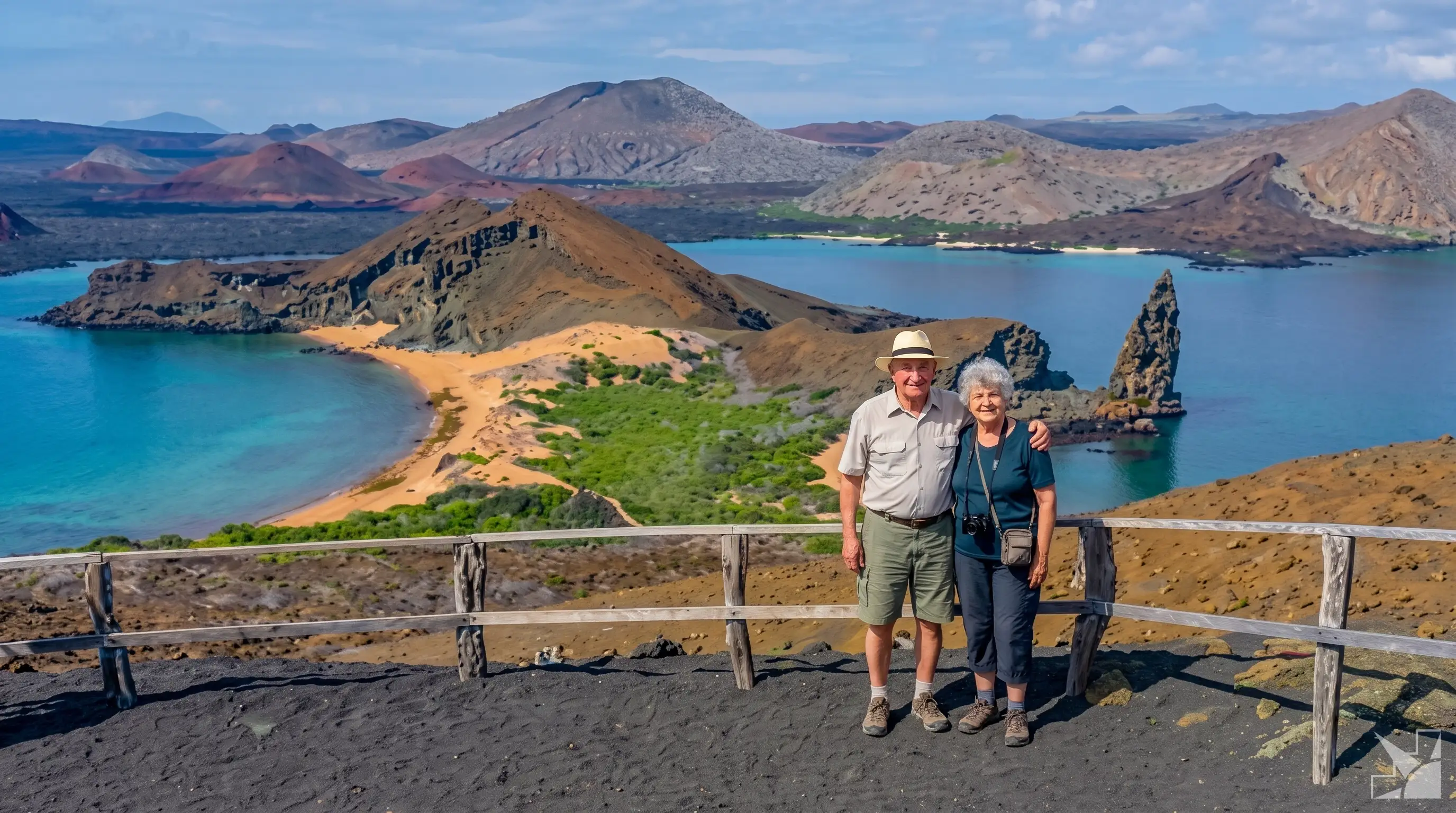
Fig 3.0: Hydraulic Boarding Platforms Neutralize Transfer Friction

I. Hydraulic Stabilization Platforms

To safely manage embarking, you must audit a vessel's stern architecture. Premium expedition ships like the Natural Paradise Luxury Yacht are engineered with customized, sea-level hydraulic boarding platforms. Rather than climbing down a ladder, the platform allows you to step horizontally into the Panga while deckhands secure the dinghy flush against the hull, eliminating the open-water gap entirely.

II. Dry-Landing Focused Itineraries

The second layer of risk involves arriving at the island. A "wet landing" forces you to slide out of the dinghy into knee-deep surf and wade ashore over hidden volcanic rocks. For seniors prioritizing "safe Galapagos excursions," our analysts filter for routes that maximize "dry landings" onto established concrete or natural rock docks. Reserving a charter on the Tip Top II Catamaran ensures your route heavily favors these structurally sound disembarkation points, keeping your boots dry and your ankles secure.

Audit Your Transfer Logistics.

Do not let an agency overlook the biomechanics of island transfers. Partner with Ile Tours to execute an expedition architecture where every physical transition is strictly controlled.

Contact Us