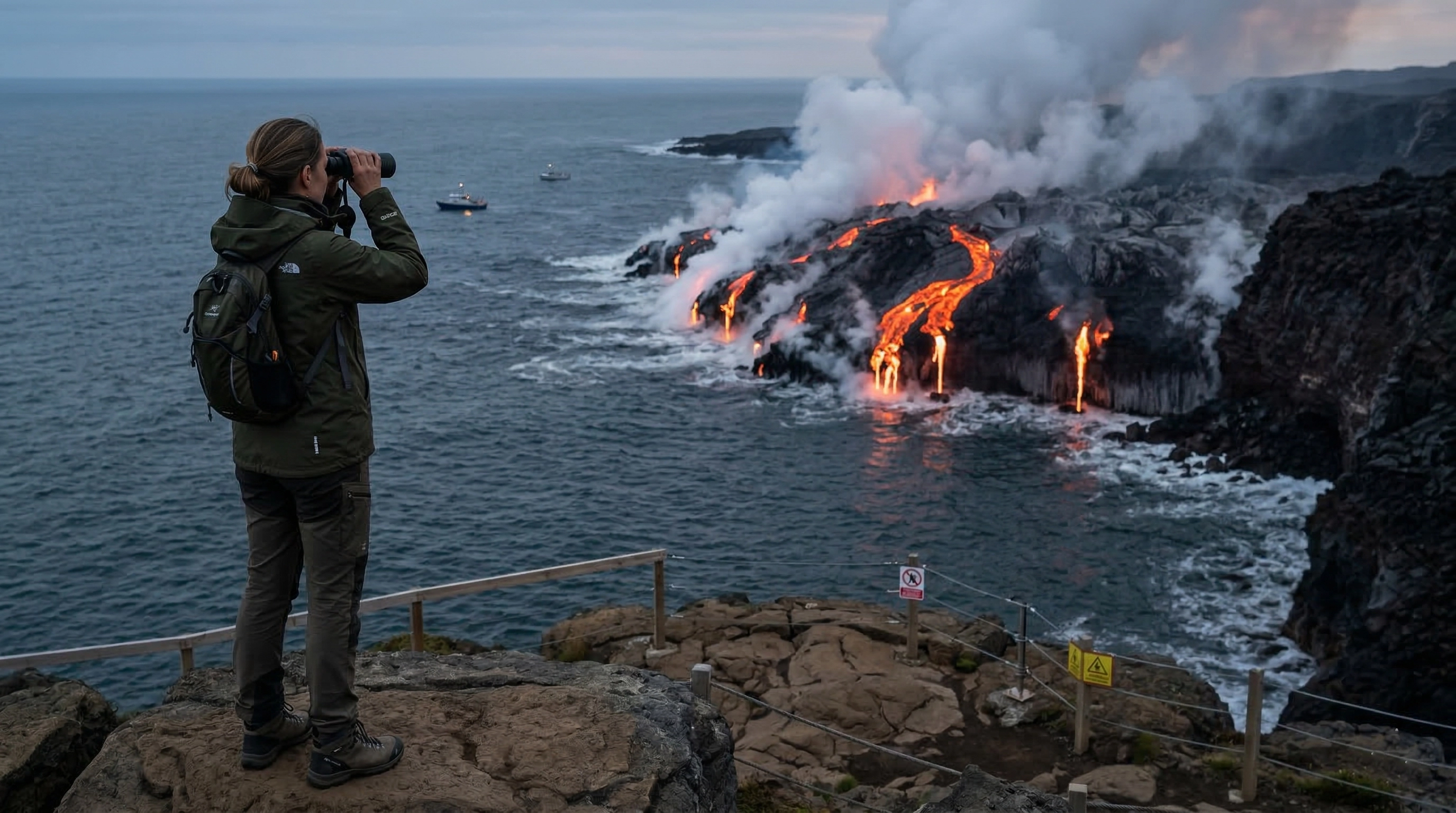
Isabela & Fernandina:
The Primal Genesis
Located directly over the Galapagos hotspot, Isabela and Fernandina represent the youngest geological formations in the archipelago, estimated between 700,000 and 1 million years old. This western frontier is defined by immense, volcanically active shield volcanoes with massive calderas, creating a harsh, lunar-like landscape composed of recent Pahoehoe and 'A'a lava flows.
The extreme topography forces highly specific evolutionary adaptations. The sheer scarcity of terrestrial vegetation requires species to rely entirely on the nutrient-rich Cromwell Current upwelling. Consequently, this specific geographic zone is the exclusive habitat for the Flightless Cormorant and the largest colonies of Marine Iguanas, which have evolved to feed exclusively on submerged algae beds.
Geological Age < 1 Million Years
Terrain Type Basaltic Lava Fields
Key Endemism Flightless Cormorant
Española & San Cristóbal:
The Eroded Sanctuaries
Having drifted eastward via the Nazca Plate for nearly four million years, Española and San Cristóbal represent the geological seniors of the Galapagos ecosystem. Millions of years of wind and oceanic erosion have collapsed their calderas, flattening the terrain and creating expansive, fine-sand beaches and highly weathered coastal cliffs.
This advanced state of geological decay results in a significantly different biological profile. The smoother, flattened plateaus of Española provide the exact aerodynamic runway necessary for the massive Waved Albatross to nest and achieve flight. Furthermore, the prolonged isolation has allowed for deeper evolutionary divergence, resulting in distinct species like the San Cristóbal Mockingbird, which exists nowhere else on Earth.
Geological Age 3.2 to 5 Million Years
Terrain Type Eroded Plateaus & Sand
Key Endemism Waved Albatross
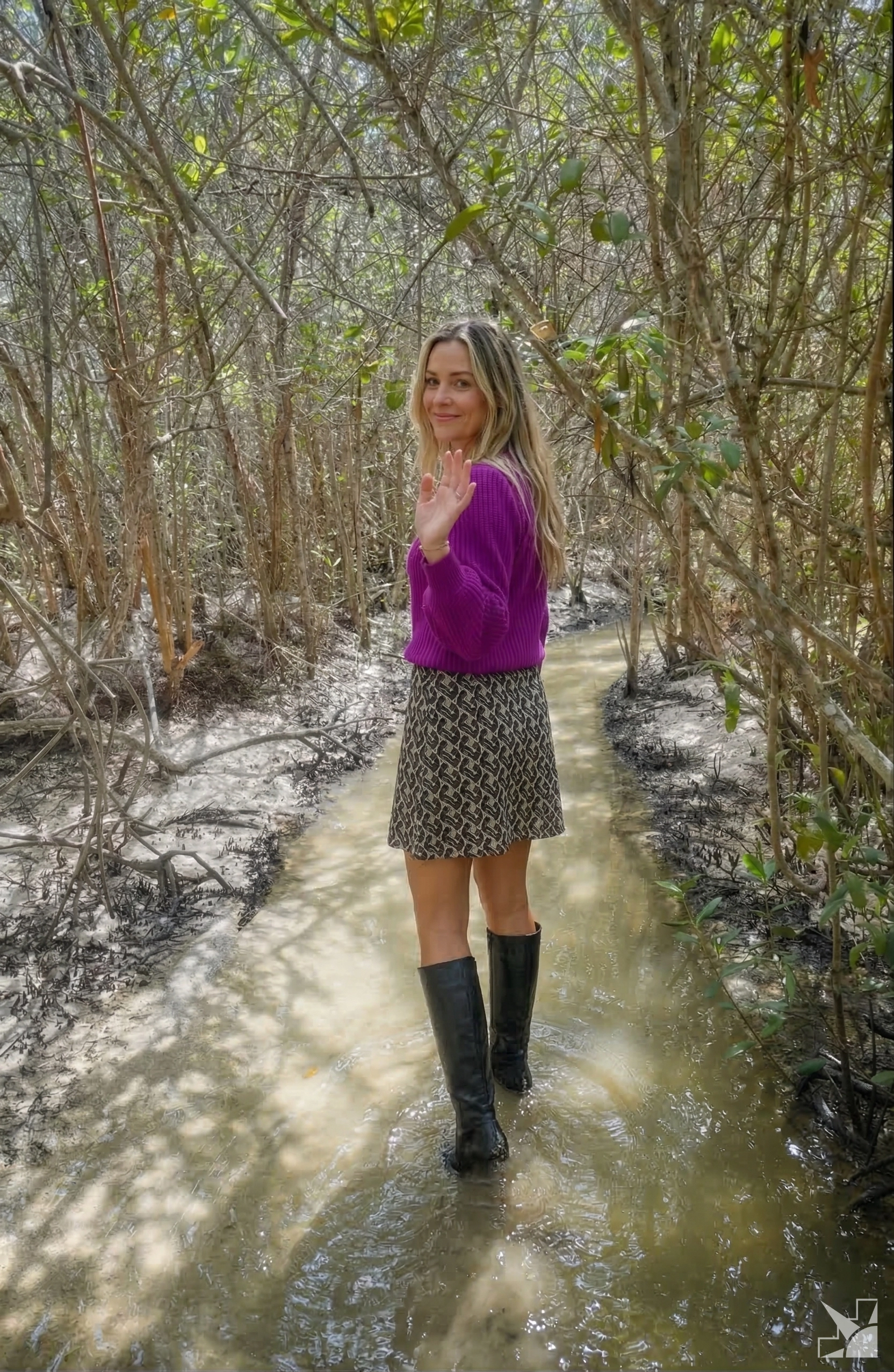
Santa Cruz & Santiago:
The Biological Epicenter
Situated between the young western shield volcanoes and the ancient eastern plateaus, the central islands of Santa Cruz, Santiago, and Floreana represent the geological middle age of the archipelago. Ranging from 1.5 to 3 million years old, these landmasses have developed complex, multi-tiered topographies that support the highest levels of biodiversity in the Galapagos.
The advanced soil development has allowed dense highland cloud forests to thrive, creating critical habitats for diverse species radiations. It is within these central zones that the evolutionary divergence of Darwin's Finches is most observable, and where the highest concentrations of domed-shell Giant Tortoises establish their migratory routes between the nutrient-rich volcanic highlands and the arid coastal zones.
Geological Age 1.5 to 3 Million Years
Terrain Type Lava Tunnels & Cloud Forests
Key Endemism Darwin's Finches, Scalesia
Engineer Your Geological Expedition
Navigating the diverse tectonic zones of the Galapagos requires strategic logistical expertise and access to highly specialized marine infrastructure. Contact our US-market luxury travel advisors to curate a private, customized expedition that perfectly aligns with your specific evolutionary and geological interests.