Why Galapagos Wildlife Exists Nowhere Else
Thousands of kilometers from continental South America, the Galapagos Islands evolved in near-total isolation. Over time, volcanic terrain, shifting ocean currents, marine pressure, and environmental scarcity created one of the rarest biological systems on Earth — a place where reptiles, seabirds, and marine species adapted in ways found nowhere else in the natural world.
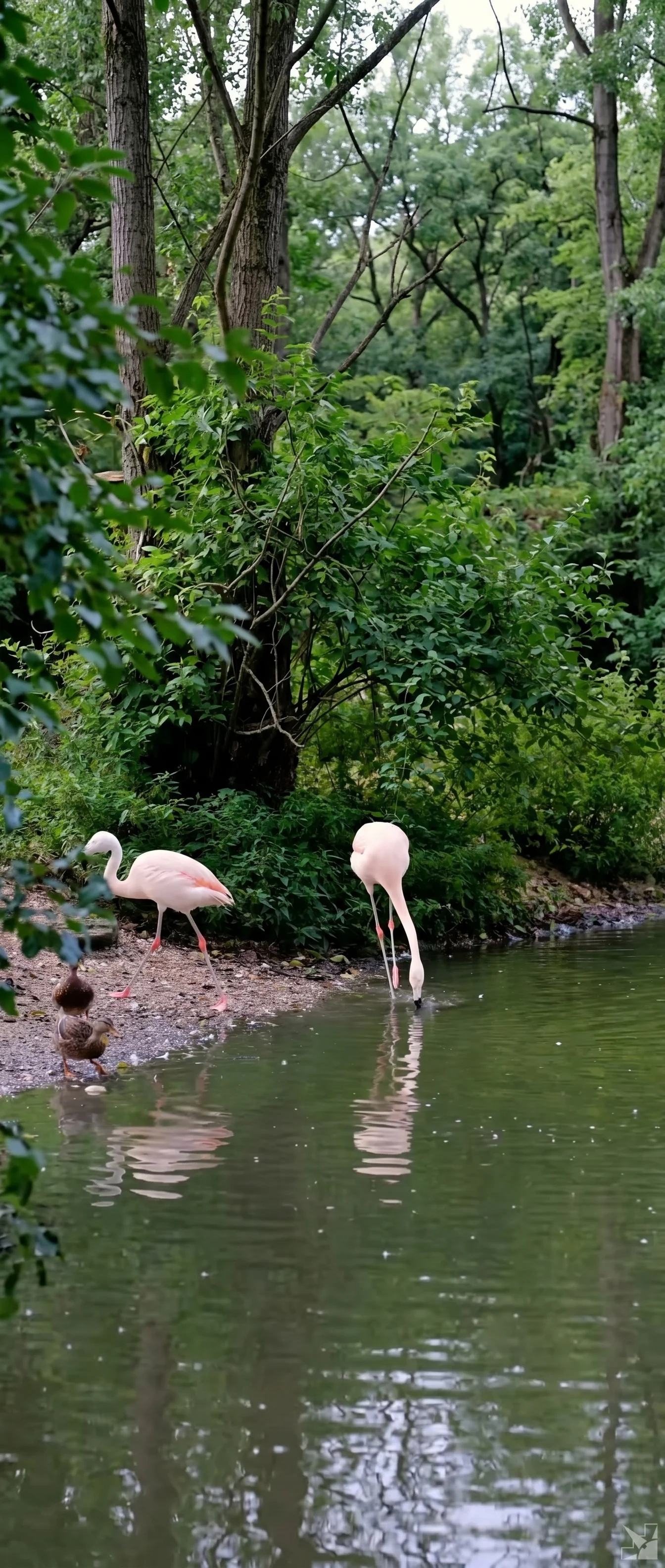
The famous blue-footed booby became one of the strongest biological symbols of the Galapagos because its behavior, breeding rituals, and survival systems evolved under highly specific environmental conditions found across these volcanic islands.
Why Isolation Changes Evolution
When animal populations become geographically separated for thousands of years, small biological differences begin accumulating through environmental pressure. In the Galapagos, volcanic fragmentation, marine barriers, and food specialization accelerated this process dramatically.
The Galapagos Reptiles That Adapted Beyond Expectation
Few destinations on Earth demonstrate reptile adaptation as clearly as the Galapagos. Marine iguanas learned to feed underwater. Lava lizards adapted to heat exposure across volcanic rock systems. Giant tortoises evolved differently depending on elevation, vegetation, and island isolation.
Over generations, even small environmental variations created measurable biological divergence. These islands became one of the clearest examples of how isolation reshapes life itself through adaptation, scarcity, and survival pressure.
Why Wildlife Travelers Continue Searching for the Galapagos
Search demand around Galapagos wildlife continues increasing because travelers are no longer looking only for beaches or resorts. They are searching for biological rarity, remote ecosystems, volcanic landscapes, and species interactions that still feel scientifically alive.
Unlike traditional tourism destinations, the Galapagos experience combines ecological observation, expedition travel, marine exploration, and scientific curiosity into one of the most distinctive journeys in South America.
Blue-Footed Boobies Became Icons for a Reason
The blue-footed booby is not famous simply because it looks unusual. Its visibility comes from evolutionary specialization. The bright blue coloration of its feet is directly connected to diet quality and mating selection, turning biological adaptation into a visible behavioral signal.
Across the Galapagos, these seabirds evolved in environments where isolation reduced competition while environmental pressure intensified survival efficiency. Over time, courtship rituals, nesting patterns, and feeding systems became increasingly specialized.
Today, travelers searching for blue-footed boobies are often discovering something much larger — a living ecosystem where evolution remains visible through behavior, movement, and adaptation.
Color intensity reflects feeding efficiency and biological health.
Ocean conditions helped shape seabird survival strategies.
Separated island systems accelerated biological divergence.
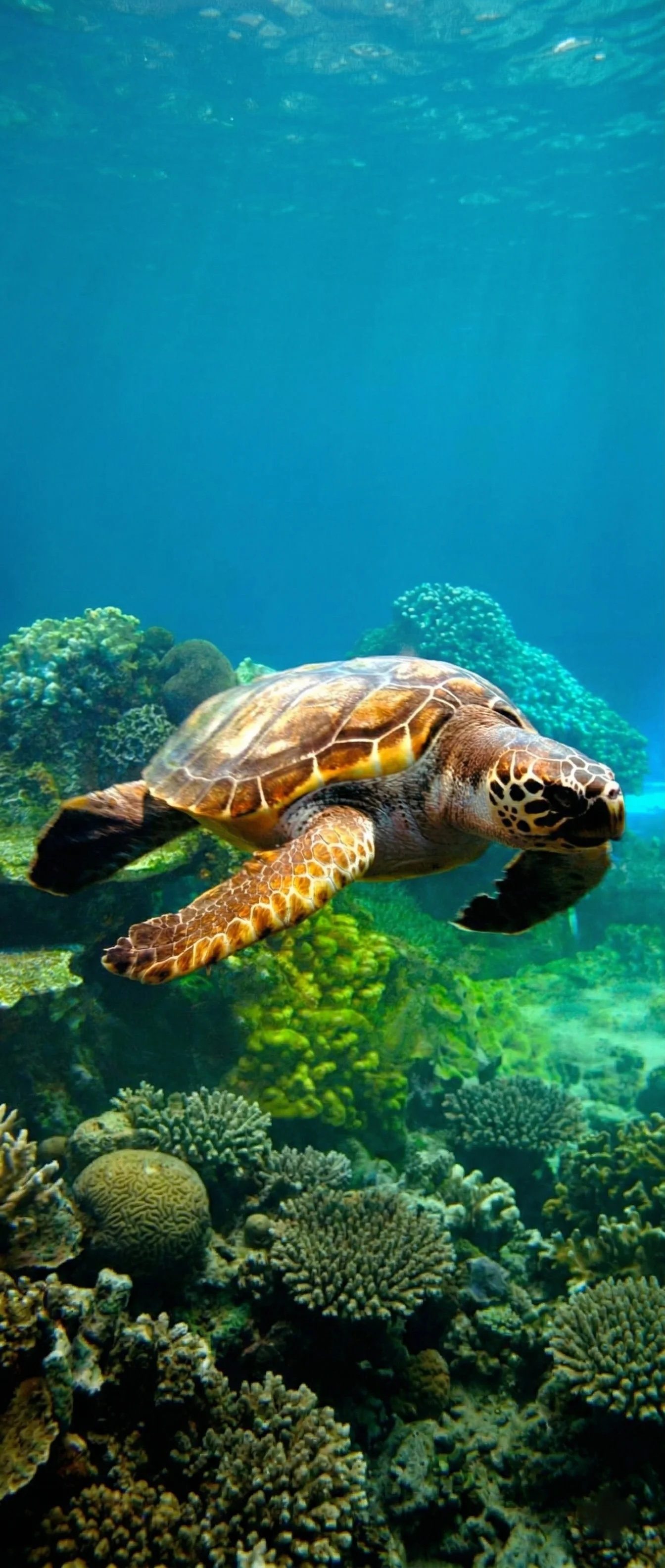
Icons Evolved in Near-Total Isolation
Across the Galapagos, blue-footed boobies became profound biological symbols of evolution, where specialization shaped courtship rituals, nesting patterns, and visible dietary efficiency under intense environmental selection pressure.
Wildlife Exploration Continues Beyond a Single Island
Modern Galapagos expeditions increasingly combine wildlife observation, volcanic exploration, marine biodiversity, and extended South America travel routes into integrated expedition experiences.
Unique Marine Iguanas Evolved Under intense pressure Here
Unlike traditional iguanas on Earth, the Galapagos species uniquely evolved to forage underwater in intense Pacific currents, while simultaneously developing complex thermal efficiency systems to survive highly specialized ecological niches found across the isolated, volcanic, coastal systems.
These reptiles became profound models for understanding how volcanic isolation, food specialization, volcanic fragmentation, and environmental isolation reshape life generation after generation through meaningful biological divergence across whole islands.
Giant Tortoises Became Symbols of Evolutionary Time
Different Galapagos tortoise populations evolved unique shell structures, movement patterns, and feeding behaviors depending on terrain, vegetation access, and island geography.
The Galapagos are one of the few places where evolution is not hidden in the past — it remains visible through geography, wildlife behavior, and survival itself.
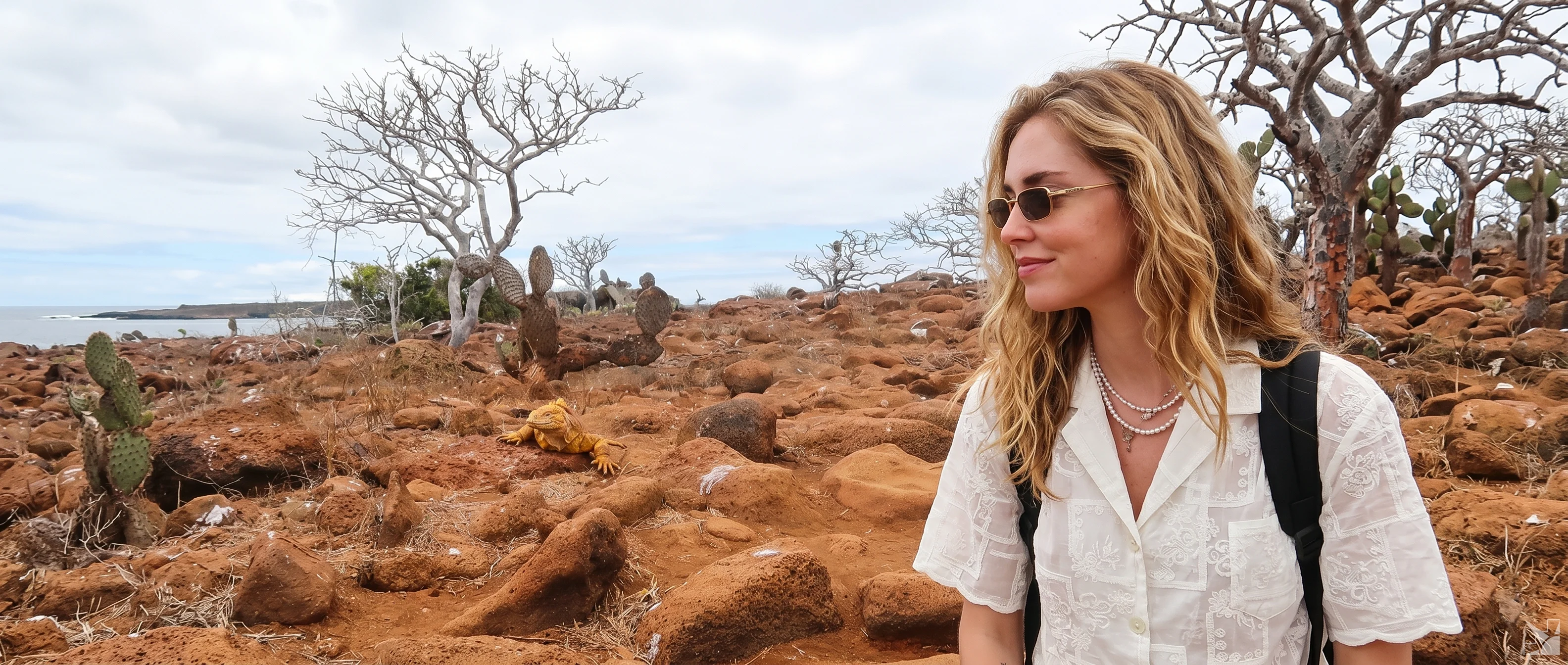
Experience the Galapagos Through Wildlife, Exploration, and Scientific Wonder
From volcanic coastlines and marine iguanas to giant tortoises and blue-footed boobies, the Galapagos remain one of the world’s most extraordinary expedition destinations. Modern travelers increasingly combine these wildlife experiences with Peru, Machu Picchu, and broader South American exploration routes designed around biodiversity, culture, and immersive travel.