The Islands That Changed How Humanity Understands Life
Across volcanic cliffs, isolated ecosystems, giant tortoise habitats, and cactus-covered lava fields, the Galapagos became one of the most influential natural laboratories ever discovered.
Today, rising search interest around adaptation, survival of the fittest, genetic recombination, and endemic wildlife is bringing global attention back to the islands that helped reshape modern science.
For travelers, the experience goes beyond tourism. Every trail, volcanic shoreline, and marine encounter feels connected to a larger story about evolution, isolation, and survival.
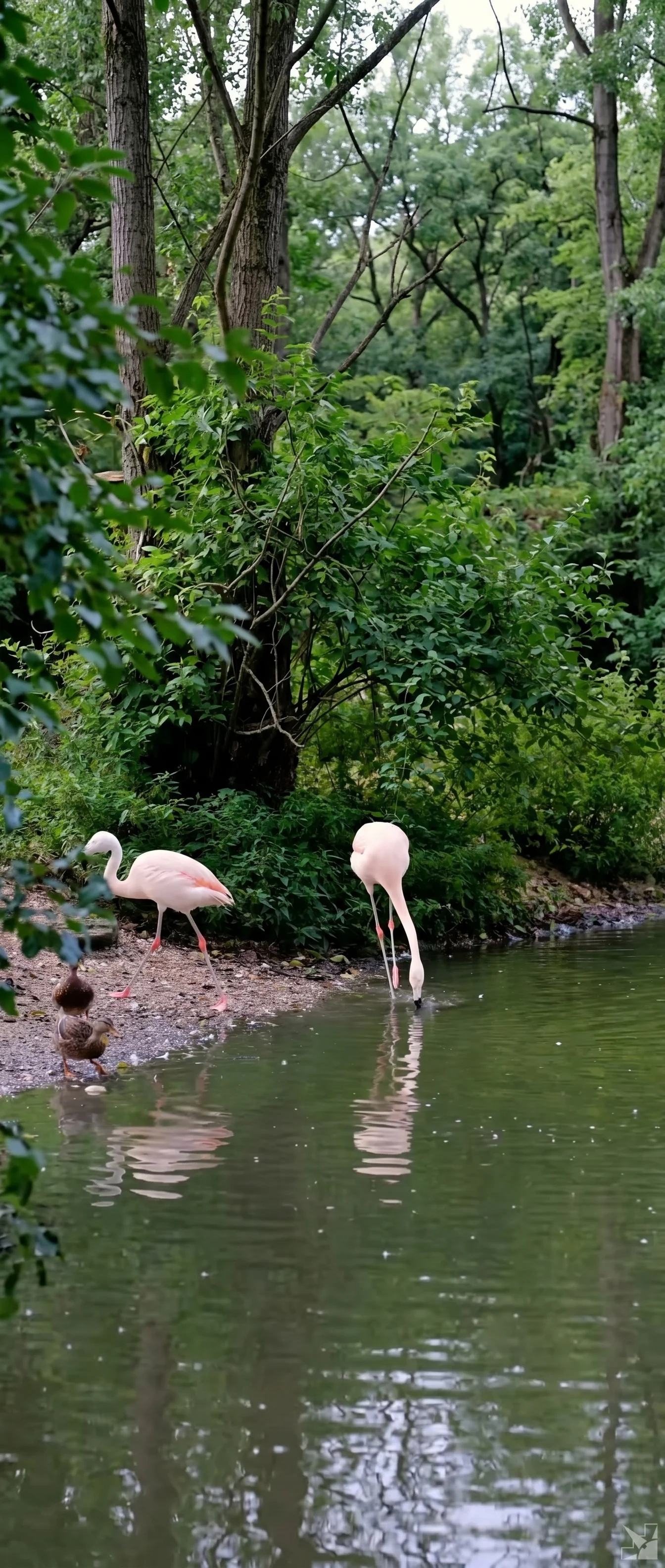
Trending Topic
Genetic Recombination
Scientific curiosity is driving renewed attention toward adaptive species in isolated island ecosystems.
Travel Interest
Volcanic Expeditions
Luxury travelers increasingly seek remote landscapes connected to geology, wildlife, and exploration.
Isolation Created Extraordinary Species
Because the Galapagos remained geographically isolated for millions of years, animals adapted differently on each island. This produced unique traits, behaviors, and survival mechanisms rarely seen elsewhere on Earth.
Volcanoes Still Shape the Environment
Lava flows, black rock coastlines, and arid cactus ecosystems continue to define the islands today. Travelers often describe the landscapes as feeling prehistoric, raw, and untouched.
Why Search Demand Keeps Returning
Every time science, wildlife adaptation, biodiversity, or remote exploration trends online, interest in the Galapagos rises again because few destinations connect all those themes together so naturally.
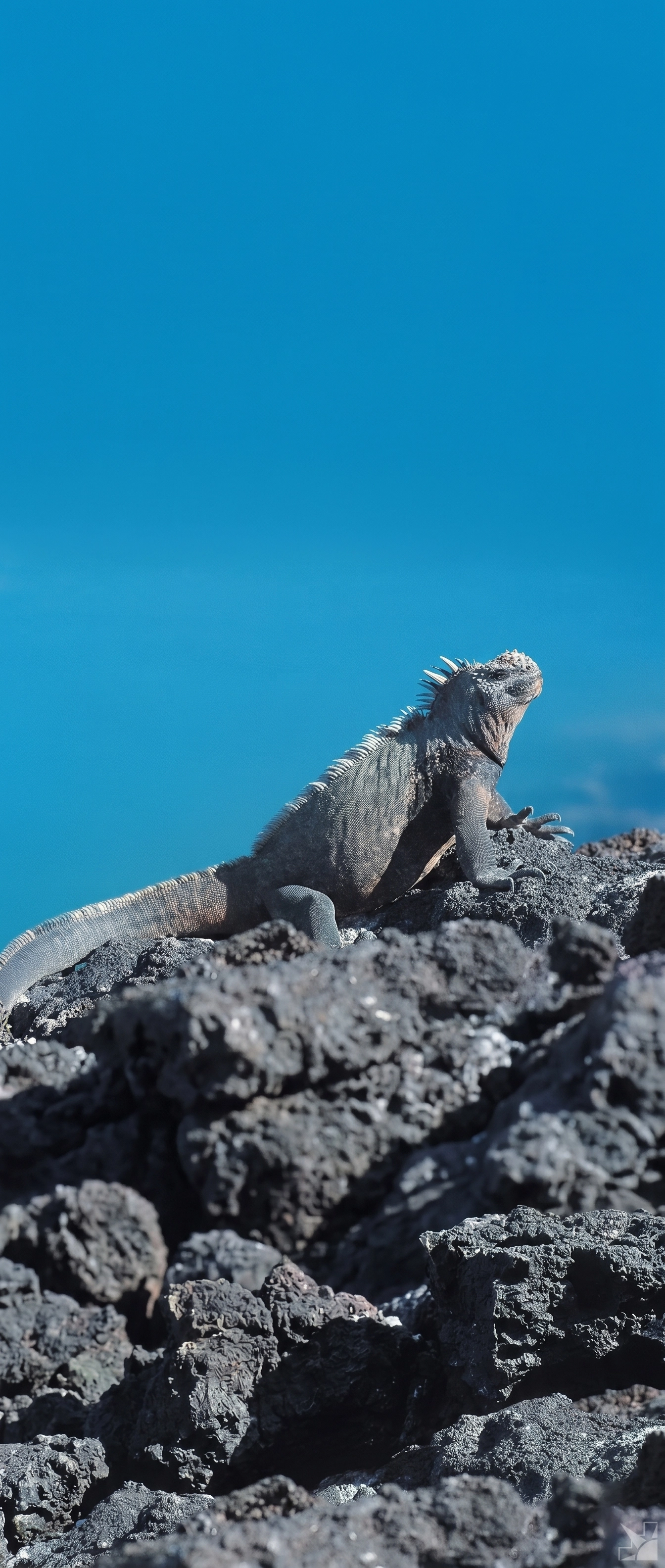
Endemic Wildlife
Species Evolved Here With Almost No Outside Influence
The isolation of the islands allowed animals to adapt independently for thousands of years, creating one of the planet’s most extraordinary concentrations of endemic species.
Natural Selection Became Visible
Different island conditions produced different adaptations, making evolutionary change easier to observe than almost anywhere else.
Volcanic Isolation Changed Everything
Ocean currents, lava terrain, and island separation created environmental pressures that shaped survival patterns over generations.
Why Modern Travelers Are Fascinated by Evolutionary Landscapes
Interest in biodiversity, adaptation, and wildlife survival continues to rise globally. As scientific curiosity grows online, travelers increasingly seek destinations where those concepts can be experienced directly rather than simply studied in books or documentaries.
That is one reason the Galapagos remains uniquely powerful. Visitors are not observing recreated ecosystems or controlled environments. They are entering active volcanic islands where evolution still feels visible in everyday wildlife encounters.
From giant tortoises and marine iguanas to specialized finch species and lava-adapted vegetation, nearly every landscape reflects the long-term relationship between geography, survival, and environmental adaptation.
Expedition Perspective
The Galapagos Is More Than a Destination
For many travelers, the islands become one of the rare places where science, exploration, wildlife, geology, and personal discovery all converge in a single journey.
Every volcanic shoreline, lava trail, cactus forest, and marine encounter reinforces the feeling that the Galapagos still operates under the same natural forces that shaped the islands centuries ago.
Remote Ecosystems
Protected environments and geographic isolation continue to preserve one of Earth’s most unique biodiversity hotspots.
Living Evolution
The islands remain one of the clearest examples of how adaptation and environmental pressures influence species over time.
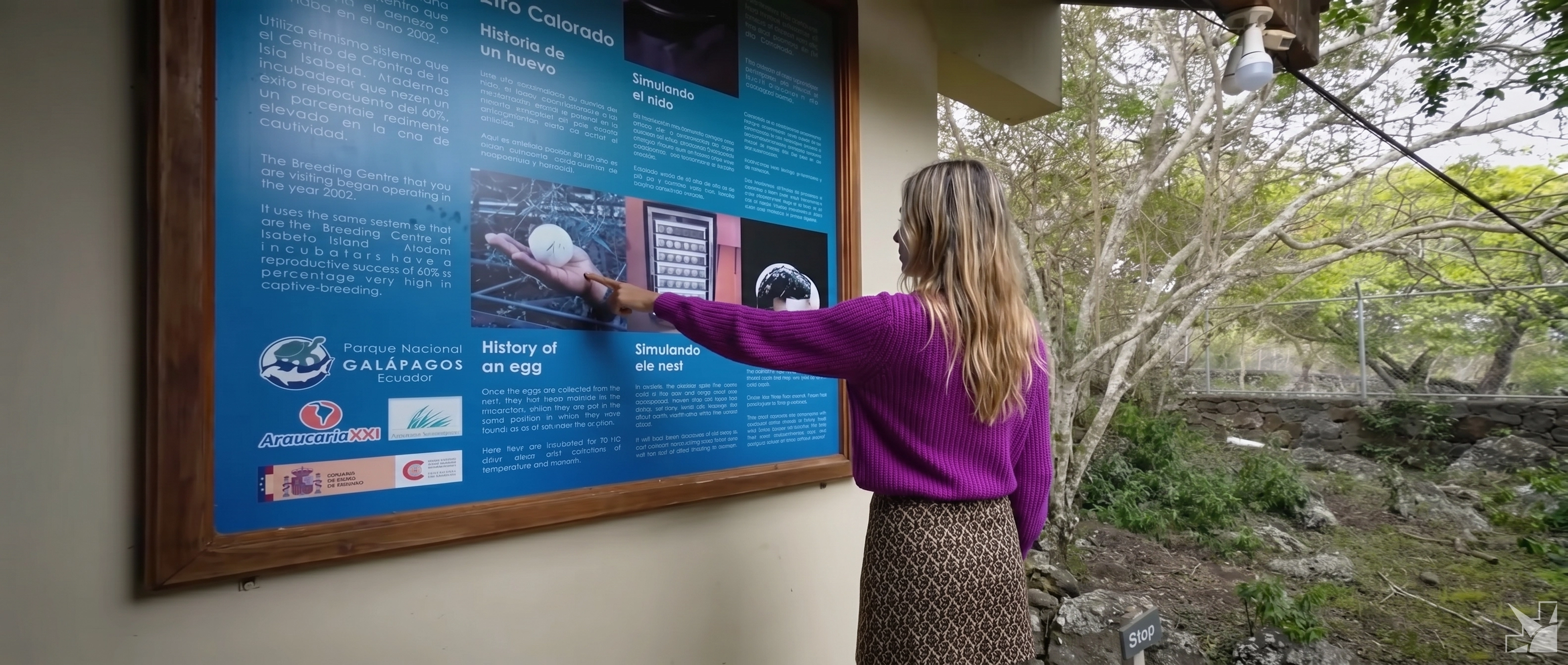
Galapagos Expedition Travel
Experience the Islands Where Evolution Became Visible
Explore volcanic landscapes, endemic wildlife habitats, remote visitor sites, and expedition routes designed for travelers seeking deeper encounters with the natural world.