How To Avoid
Getting Sick
In Peru
A successful expedition to Machu Picchu is fundamentally an exercise in preventative health. International travelers face two severe biological barriers when arriving in the Andes: acute altitude sickness (Soroche) and waterborne gastrointestinal pathogens. Mastering the clinical protocols to neutralize these risks is non-negotiable for completing your itinerary.
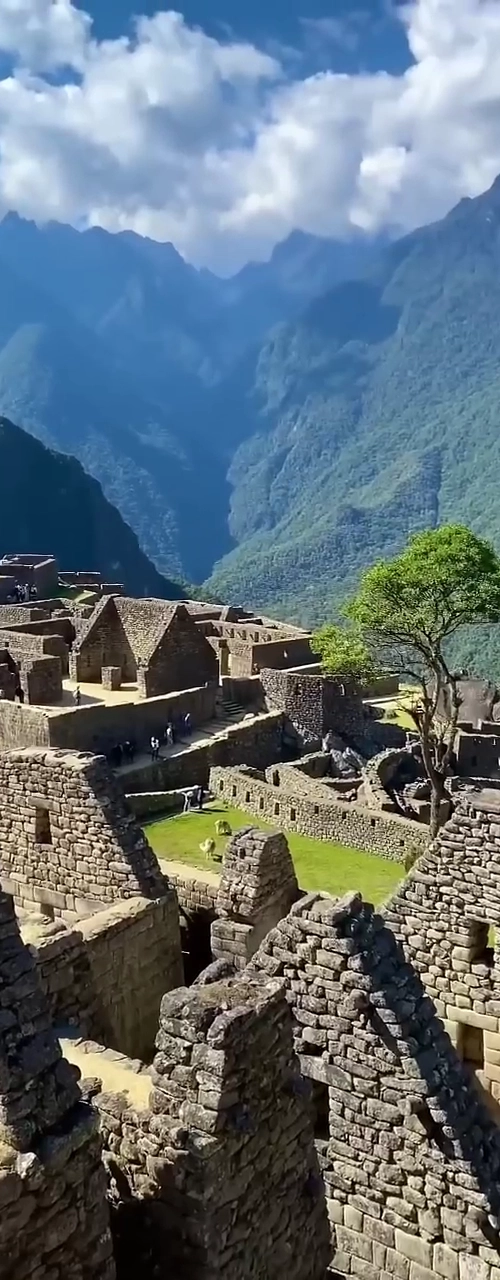
Do not attempt physical exertion upon arrival in Cusco. The most critical medical error tourists make is initiating archaeological tours on day one. A strict protocol of forced rest and hyper-hydration is required.
The Defensive Playbook:
Food, Water & Altitude
The human immune and vascular systems require active management when deployed into the high Andes. You cannot passively avoid illness in Peru; you must actively block vectors of infection and chemically support your body's adaptation to low-oxygen environments.
Most tourists collapse their itineraries by ignoring cross-contamination. Raw vegetables washed in municipal water, unverified ice cubes, and overexertion on the first day are the clinical triggers for the vast majority of medical interventions in Cusco. Adhere to the following tactical rules.
Hydration Integrity
Zero tap water ingestion. This rule extends to brushing your teeth. Keep a sealed bottle of water on the bathroom sink as a visual deterrent. Ensure all ice consumed in beverages comes exclusively from purified, commercially sealed sources.
The Thermal Barrier
Heat destroys pathogens. Consume only heavily roasted, baked, or boiled foods. Avoid raw salads, unpeeled fruits, and street-vendor ceviche. If you consume fruit, ensure it possesses a thick, peelable skin (bananas, avocados, citrus) to bypass surface contamination.
Pharmacological Support
Consult your physician regarding Acetazolamide (Diamox) prior to departure. Locally, utilize "Sorojchi Pills" and traditional Coca tea to accelerate vascular adaptation. Combine this with a strict carbohydrate-dense diet, as fat and protein require more oxygen to digest.
Contingency Plans
& Risk Elimination
If preventative protocols fail, immediate access to medical infrastructure is paramount. Independent travel leaves you logistically vulnerable during a physiological crisis. The ultimate preventative measure is transferring the operational risk to professionals who integrate continuous health monitoring and rapid response systems into the itinerary.
Professionally managed expeditions carry portable oxygen cylinders and oximeters as standard equipment. This allows immediate treatment of acute mountain sickness (AMS) in transit, preventing the escalation to High Altitude Pulmonary Edema (HAPE).
Organized tours eliminate the variables of cross-contamination by routing travelers exclusively through pre-audited culinary networks. Every meal, from boxed lunches on the train to high-end dining in Cusco, is algorithmically selected for sanitary compliance.
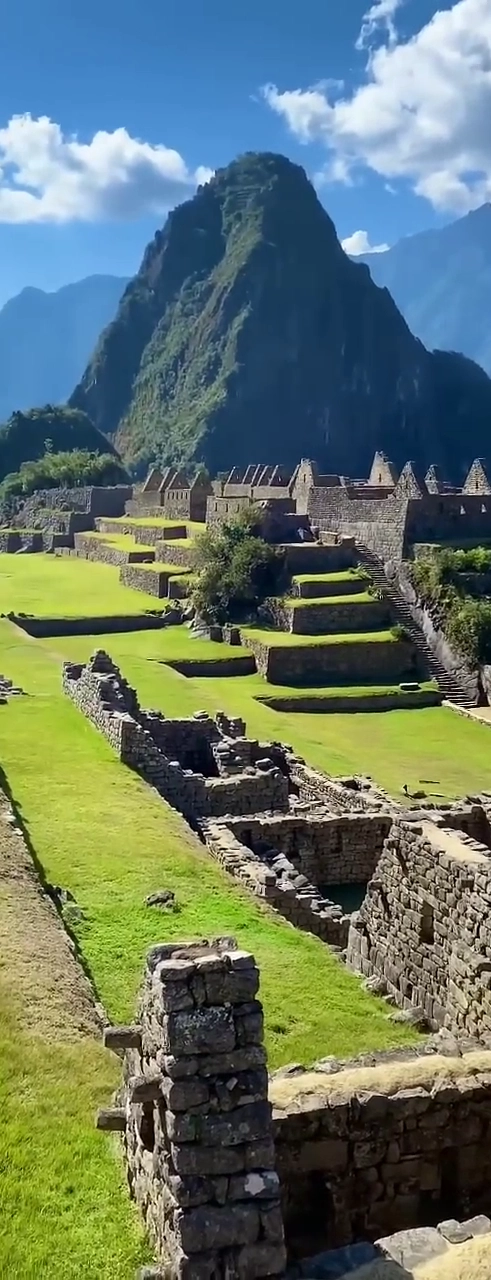
If severe traveler's diarrhea or hypoxia strikes in Aguas Calientes, evacuating back to Cusco's private clinics requires immediate logistical coordination of trains and private transport. Attempting this independently while incapacitated is a critical hazard.
Execute Your Itinerary With
Clinical Precision
Eliminate the variables that compromise health. Our expert-engineered tours isolate you from infrastructural risks, manage your altitude transition, and guarantee sanitized food and hydration networks from arrival to departure.