Ocean • Adaptation • Origin
What You Actually See Beneath the Surface in the Galapagos
Most places are observed from the outside. Landscapes, wildlife, coastlines—everything stays at surface level.
But here, the real story begins below it.
Life Here Was Never Designed to Be Stable
Everything begins with instability—volcanic land, shifting ocean currents, and ecosystems that never settle into equilibrium.
That instability is not a flaw. It’s the mechanism that drives change.
Small genetic differences accumulate—what science defines as herencia genética, but what is observed here as visible change across species.
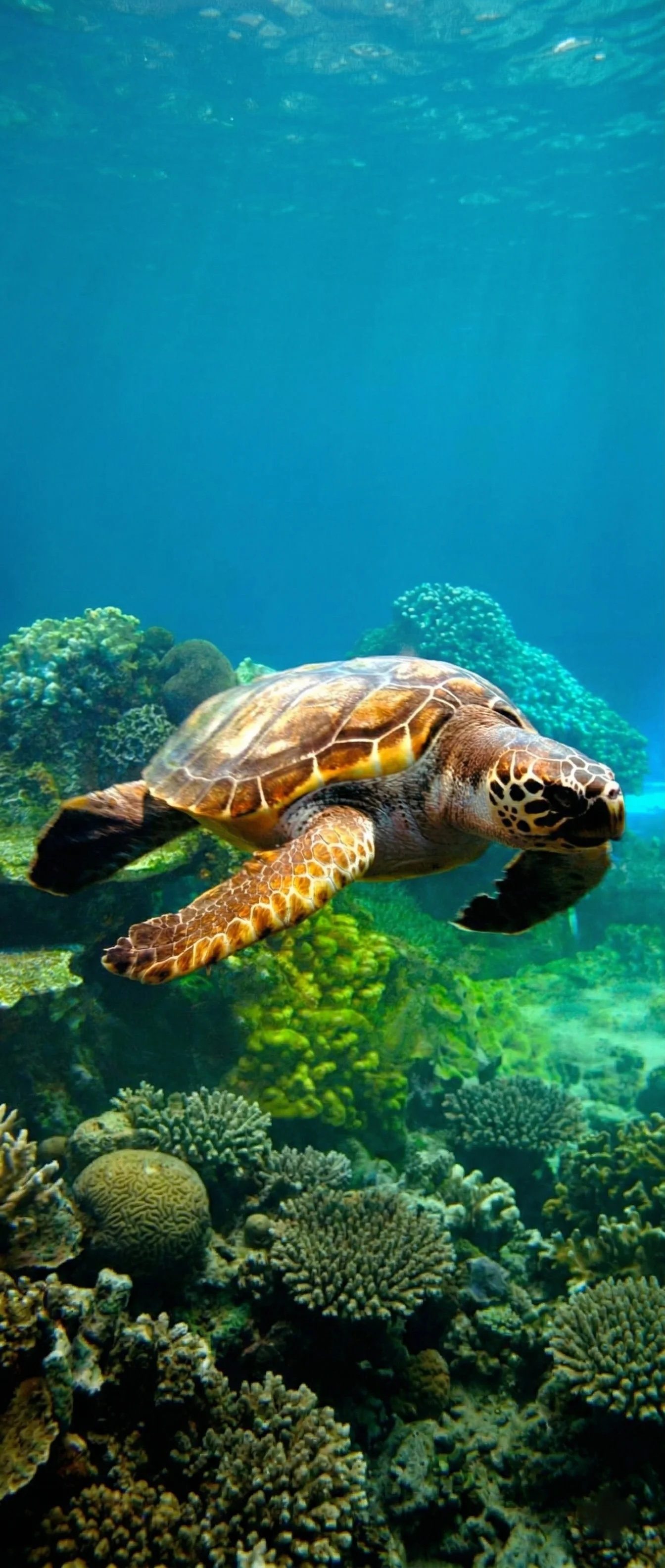
From Lava to Living Systems
What starts as bare volcanic rock gradually becomes habitat. Over time, organisms arrive, adapt, and begin to diverge.
Certain finch species, such as Geospiza fortis, reflect these changes clearly—variations in beak size tied directly to available food sources.
How Environmental Pressure Shapes Life in Real Time
A system driven by change, not stability
What appears stable from a distance is actually a system under constant pressure.
Every species here is the result of that pressure being applied over time.
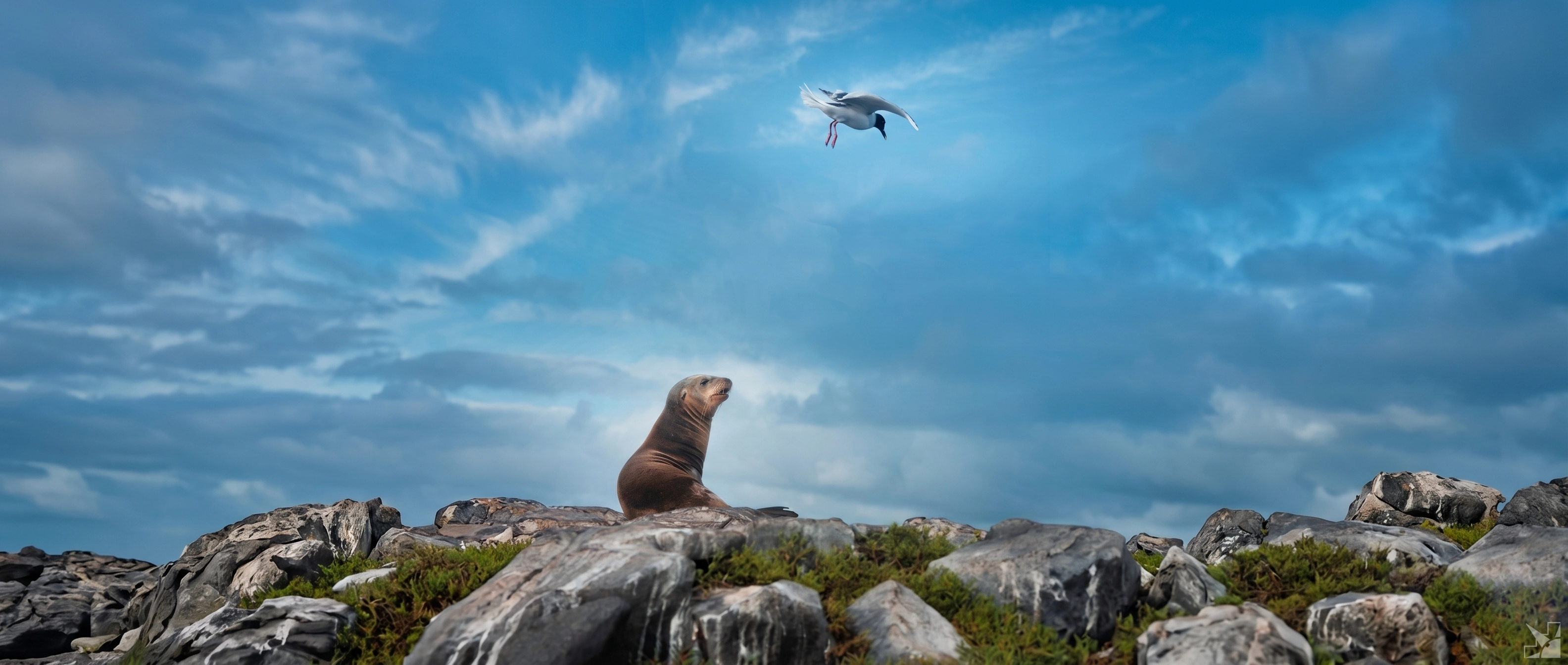
Environmental Pressure
Limited food, changing climates, and volcanic terrain define which traits continue forward.
Adaptive Response
Organisms shift behaviors, feeding strategies, and physical traits to survive.
Continuous Change
No condition remains fixed long enough for stability to dominate.
This is where natural selection becomes visible—not as theory, but as a sequence of observable outcomes.
Species that align with their environment persist. Those that don’t gradually disappear.
Events like El Niño amplify this process—altering marine ecosystems, shifting prey availability, and forcing rapid adaptation cycles.
Marine species such as the Galapagos penguin respond directly to these fluctuations—adjusting feeding behavior depending on ocean temperature and currents.
What they eat is not fixed. It changes with the system itself.
Nothing Here Was Meant to Stay the Same
A system defined by adaptation, not permanence
Across the Galapagos, nothing exists in isolation. Every species, every behavior, every trait is part of a wider system shaped by pressure, time, and change.
From volcanic origins to shifting ocean patterns, the environment continuously reshapes the conditions for survival.
What emerges is not balance—but adaptation in motion.
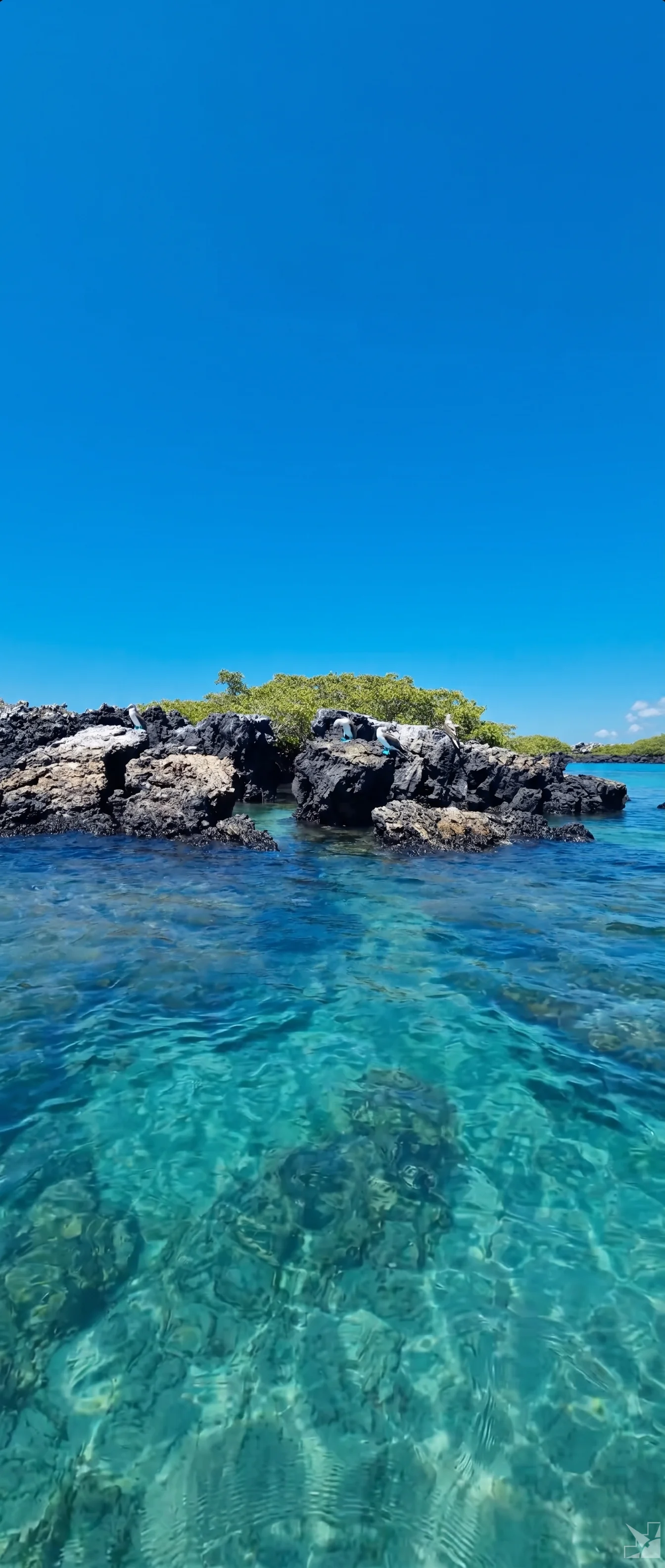
Understanding Comes From Observation
Concepts like herencia genética, environmental pressure, and adaptation are often explained in abstract terms.
Here, they become visible patterns—seen in species behavior, physical traits, and survival strategies.
Not Static
Conditions shift constantly.
Not Random
Every trait has a function.
Not Isolated
All systems are connected.
Not Finished
Adaptation never stops.
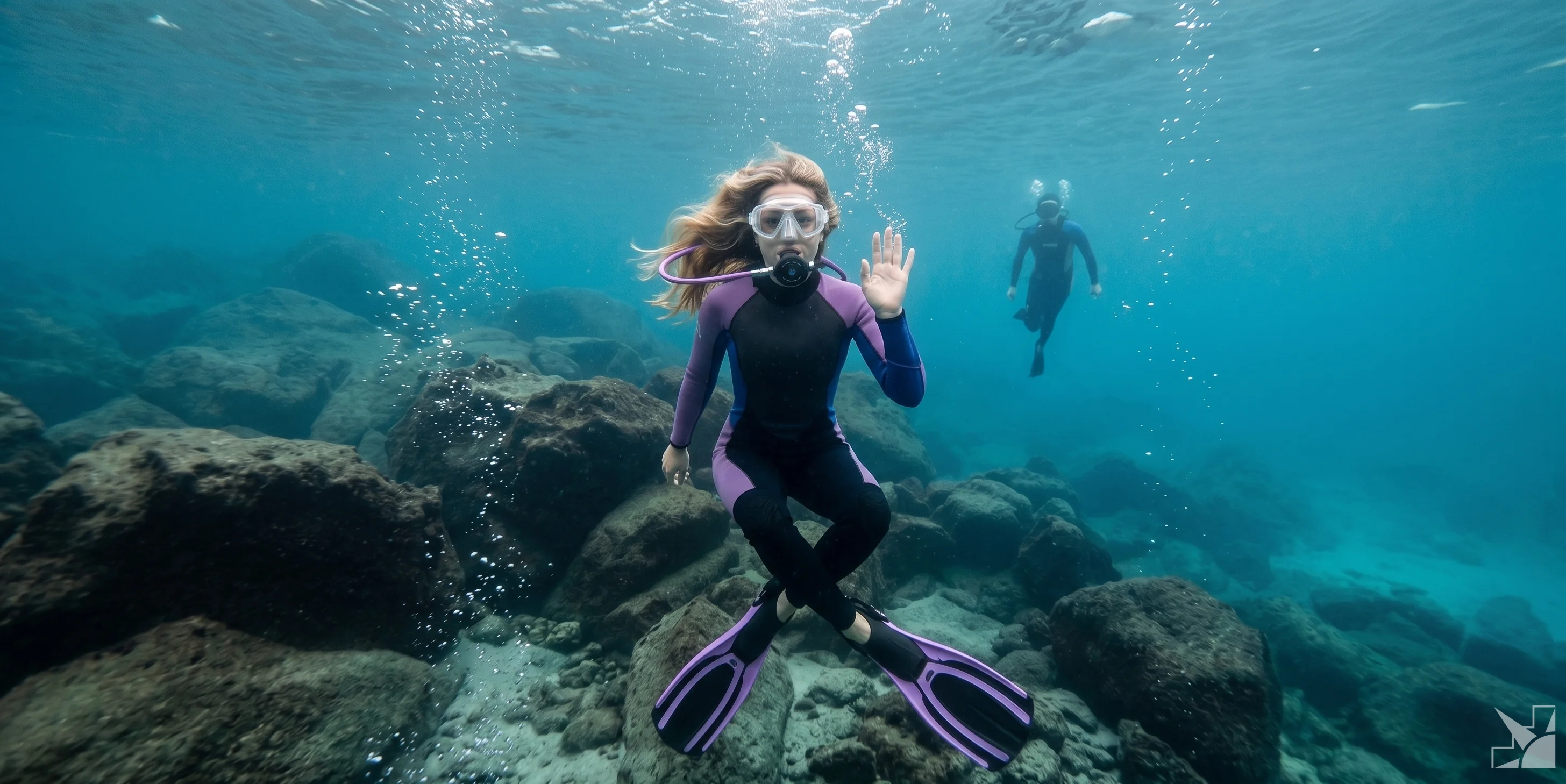
Experience It Where It Actually Happens
Understanding these systems is one thing. Moving through them—across islands, ecosystems, and wildlife encounters—is something entirely different.