Galapagos • Wildlife • Discovery
Why the Galapagos Islands Became Home to Extraordinary Wildlife
Remote, volcanic, and surrounded by powerful ocean currents, the Galapagos developed in near isolation for thousands of years.
Those conditions forced species to adapt to changing food sources, harsh terrain, and limited resources.
What travelers witness today is one of Earth’s rarest concentrations of endemic life.
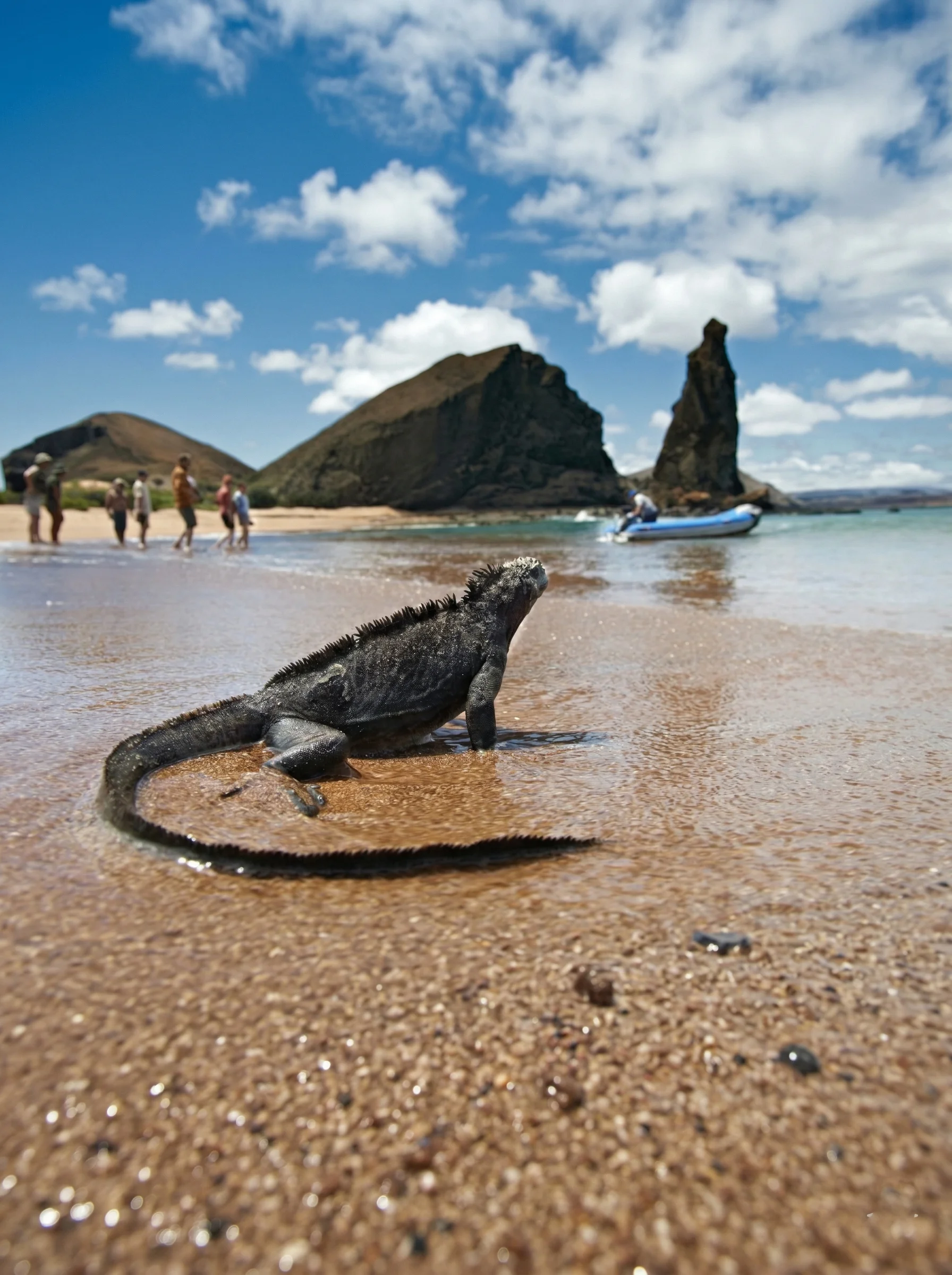
Natural Wonder
Species here evolved in ways rarely seen anywhere else.
01
Isolation
Ocean distance reduced outside influence and separated populations over time.
02
Adaptation
Traits that improved survival became stronger across generations.
03
Diversity
The islands became home to wildlife found nowhere else on Earth.
Origins • Pressure • Change
What Happened Here to Create So Much Diversity?
The Galapagos did not begin with abundant life. Species arrived gradually by flight, drifting vegetation, ocean currents, or rare migration events. Once they reached the islands, everything changed.
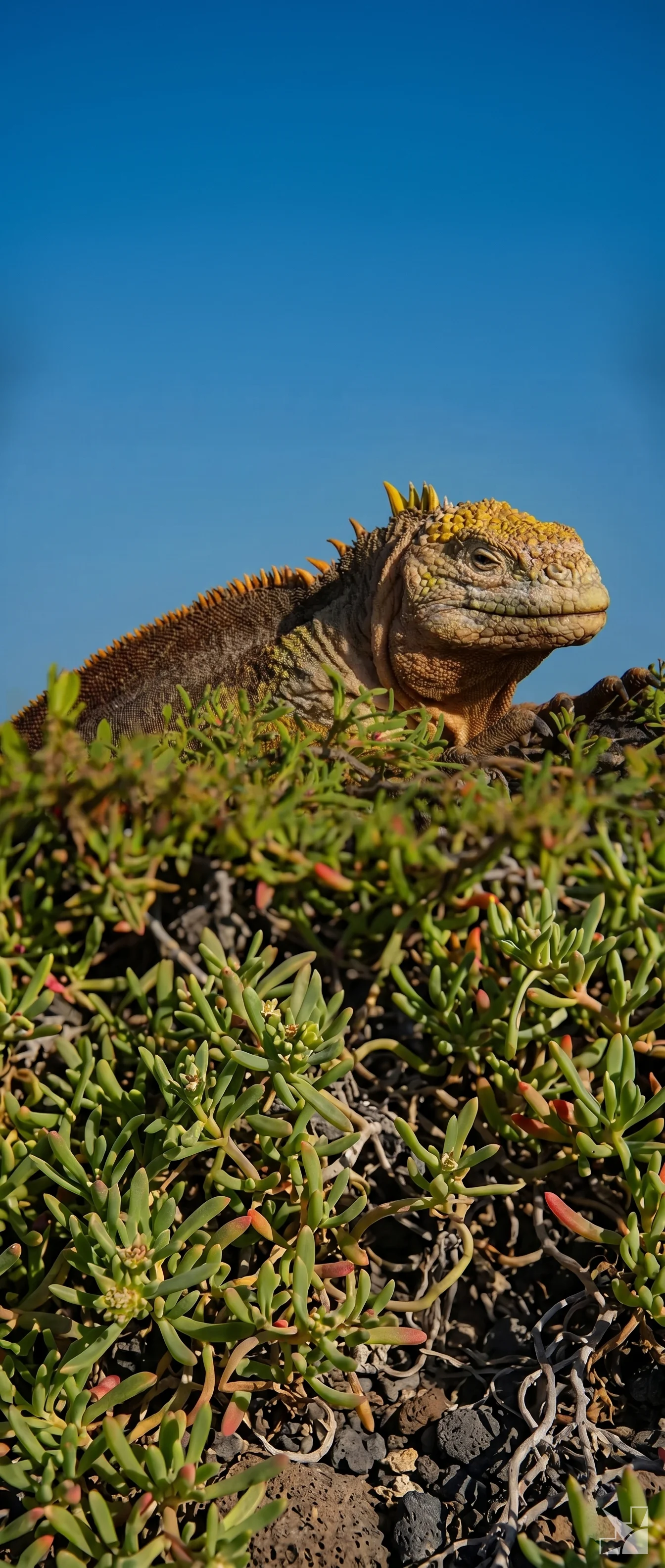
Arrival
Only a small number of species ever reached these remote islands.
Isolation Reshaped Gene Pools
When two gene pools become separated by physical barriers such as ocean channels, cliffs, or volcanic terrain, mixing slows or stops completely. This is isolation, one of the strongest drivers of biodiversity.
Natural Selection Took Over
The theory of natural selection explains why certain traits become common. Organisms better suited to available food, climate, or terrain survive longer and reproduce more successfully.
Variation Became Visible
Over generations, inherited differences and observable traits accumulated. Beak shape, body size, feeding behavior, and movement patterns all began to diverge from mainland ancestors.
Observe • Understand • Experience
Where Science Becomes Something You Can See
In many places, biodiversity is explained through books and theory. In the Galapagos, it becomes visible through landscapes, wildlife behavior, and species found nowhere else.
Real Example
Why Natural Selection Occurs
Natural selection occurs because organisms compete with limited resources while facing environmental pressure.
Example: birds with stronger or more specialized beaks can access food sources others cannot, increasing survival and reproduction rates.
Two Definitions of Evolution
It can describe changes in inherited traits across generations, or the broader diversification of life into new forms over time.
Why Travelers Love This Experience
Visitors don’t just see animals. They witness one of the clearest examples of adaptation and biodiversity anywhere on Earth.
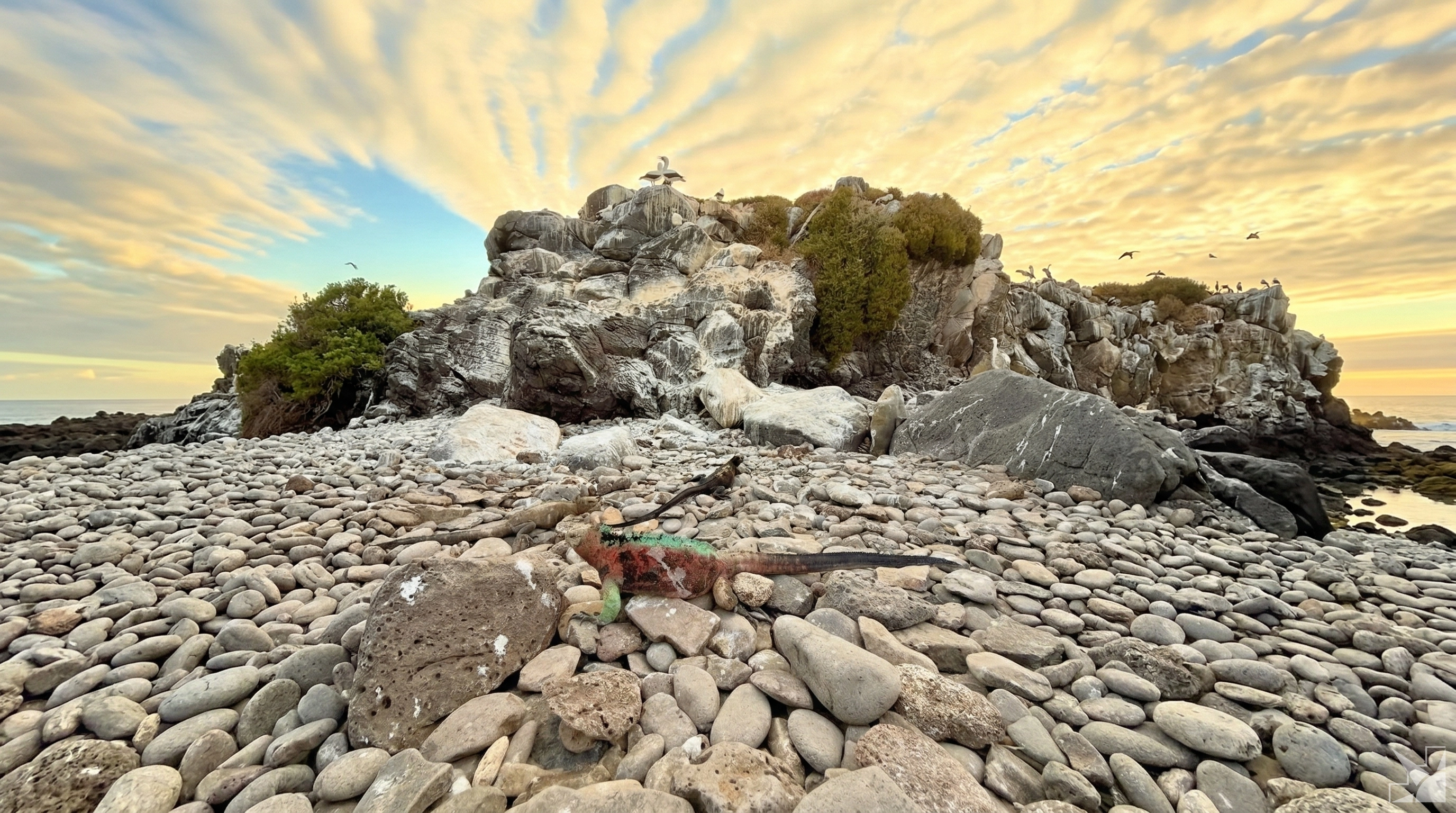
Discover the Islands That Changed How We Understand Life
Explore volcanic landscapes, iconic wildlife, and one of the world’s most extraordinary natural destinations through a custom-designed Galapagos journey.