Master the Valley of the Kings in 2026. Discover the best time to visit, Nefertari ticket costs, and how to avoid the Luxor West Bank heat and cruise crowds.
If you are visiting Egypt in 2026, Luxor is mandatory. Divided by the Nile River, the East Bank houses the modern city and hotels, while the West Bank is the ancient domain of the pharaohs—home to the legendary Valley of the Kings.
Millions of tourists search for the best way to visit these tombs. The internet is flooded with outdated, conflicting information about ticket structures, open tombs, and transportation. This definitive guide cuts through the noise, providing the exact logistics required to navigate the Theban Necropolis efficiently, avoid the brutal crowds, and witness the greatest artistic achievements of the ancient world.
| I | How to Get to the Valley of the Kings |
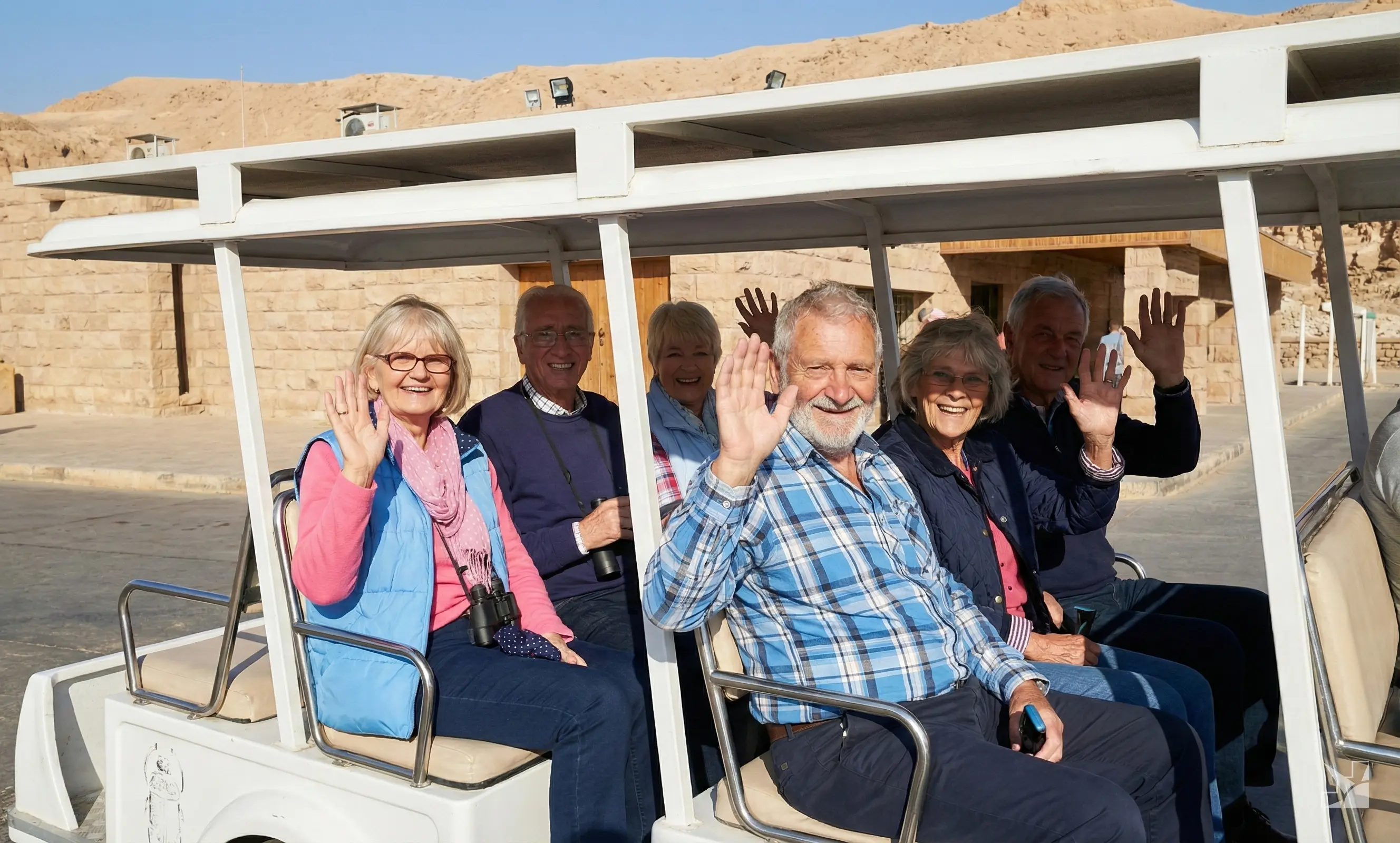
Because the majority of infrastructure (airports, train stations, and luxury hotels) is located on the East Bank of Luxor, your first and most critical logistical step is crossing the Nile River to reach the West Bank monuments. The method you choose to cross dictates the quality of your entire day.
Public Ferry & Taxi Negotiation
Independent tourists frequently utilize the local public ferry. While inexpensive, it deposits you at the West Bank dock without onward transportation. You must then engage in intense haggling with local taxi drivers to secure transport to the mountain valley, often resulting in forced stops at alabaster shops aimed at extracting commission.
Direct Bridge Transfer
By securing a private itinerary, the river crossing friction is entirely eliminated. Your driver and Egyptologist meet you at your East Bank hotel in a pre-cooled vehicle. Utilizing the Luxor Bridge south of the city, you are driven directly to the Valley of the Kings entrance gates. You bypass the ferry docks, the taxi negotiations, and the crowded transit hubs.
| II | Best Time to Visit Valley of the Kings (Luxor Heat Guide) |
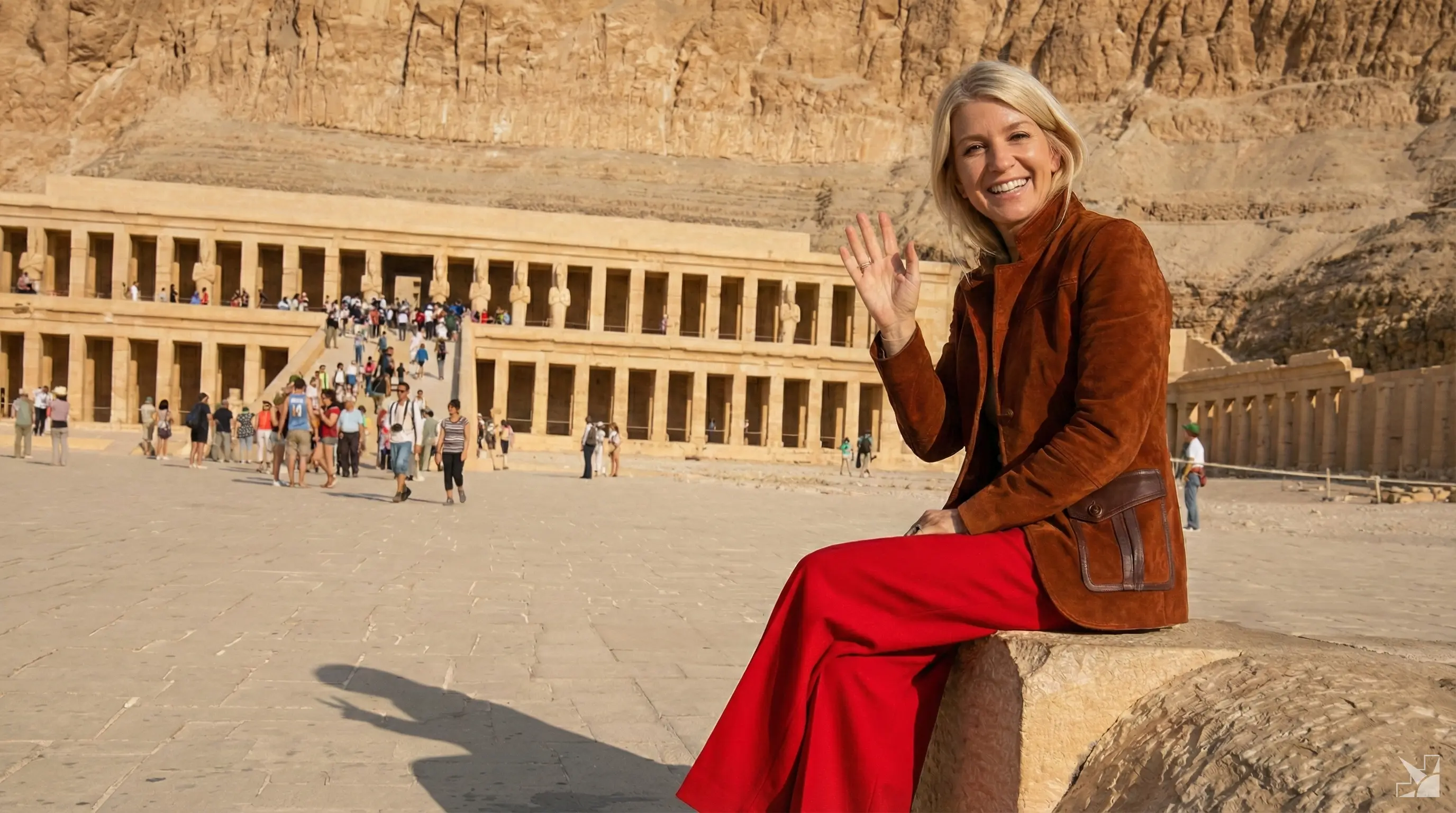
The Theban mountains are geographically configured as a natural limestone oven. By mid-morning, the towering rock walls trap and radiate the desert sun, elevating ambient temperatures drastically. Simultaneously, the deep, subterranean tombs become heavily congested and devoid of oxygen. Timing your deployment is not a suggestion; it is the most critical logistical decision of your trip.
To experience the necropolis as intended, you must arrive exactly when the gates open. During these first few hours, the desert air remains remarkably cool. The sprawling pathways are entirely empty, allowing you to enter the burial chambers of Pharaohs in total silence and pristine air quality, long before the mass-market tours arrive.
Between 9:00 AM and 10:00 AM, fifty massive Nile cruise ships deploy thousands of tourists simultaneously into the West Bank. Queues to enter the most famous tombs spill out into the direct sunlight. Navigating steep, narrow subterranean stairs alongside hundreds of people in temperatures exceeding 100°F (38°C) transforms a historical marvel into a severe physical endurance test.
| III | Valley of the Kings Tickets Explained (Which Tombs Are Included?) |
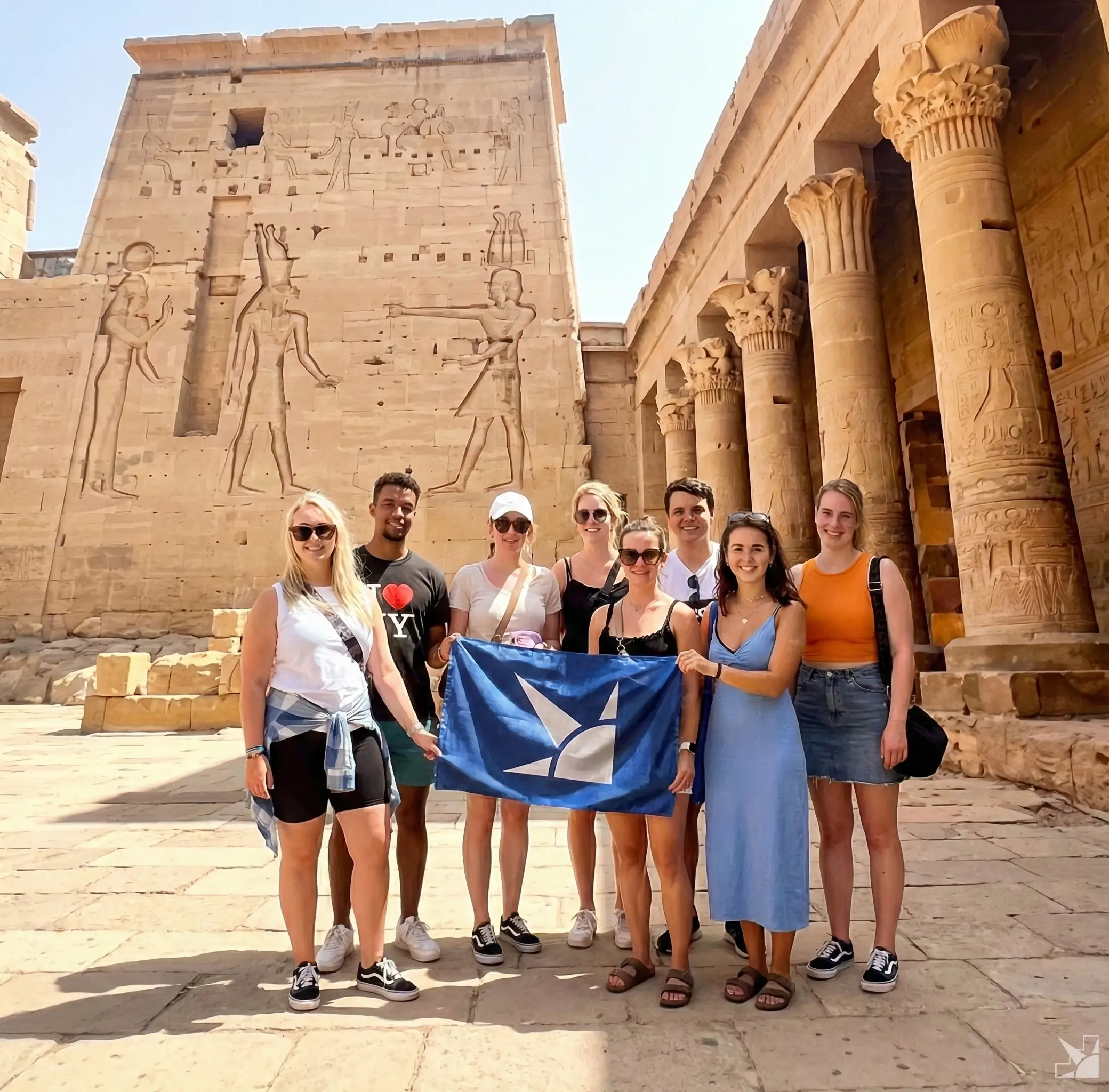
A devastating misconception among independent travelers is assuming a standard admission ticket grants access to the entire valley. The Egyptian Ministry of Antiquities operates a strict, highly monetized, multi-tiered ticketing system. Purchasing the wrong pass means missing the most vibrantly preserved artwork in human history.
The standard entry ticket allows access to only three tombs from a daily rotating list controlled by the Ministry.
These three tombs are generally the most structurally stable and voluminous, designed specifically to absorb the heavy traffic of mass-market bus tours. While historically significant, they are often the least vividly decorated, and you will navigate them shoulder-to-shoulder with hundreds of other tourists.
The absolute greatest artistic achievements in the Valley—such as the spectacular Tomb of Seti I, the Tomb of Ramses VI, and the famous Tomb of Tutankhamun—are strictly excluded from general admission.
These sites require the purchase of separate, expensive individual tickets. Because of the high cost barrier, these premium tombs remain beautifully uncrowded. Securing these tickets in advance through a dedicated logistical team guarantees you bypass the general lines and step directly into pristine, vividly painted environments.
| IV | Is the Tomb of Nefertari Worth the Extra Cost? |
Located slightly south of the Kings lies the Valley of the Queens. While smaller in scale, it houses what is universally considered the crown jewel of Egyptian antiquities: The Tomb of Queen Nefertari (QV66). The entrance fee is notoriously high (often exceeding $100 USD per person just for this single tomb) and is strictly limited to 10 minutes inside. Travelers constantly question if this premium extraction is worth the capital.
The Tomb of Nefertari is the Sistine Chapel of Antiquity. The walls are not merely carved; they are plastered and painted with a vibrancy and level of detail that defies its 3,200-year age. The blues, golds, and reds are astonishingly pristine. There is simply no other structure in Egypt that compares to its state of preservation. The definitive answer is yes, it is absolutely worth the premium.
The strict 10-minute time limit and exorbitant ticket price are deliberate conservation strategies implemented by the Ministry of Antiquities. Human breath (humidity) is the primary destroyer of ancient plaster. By pricing out the mass-market tours and limiting exposure, the tomb is kept empty and the microclimate is preserved.
Securing this ticket independently on-site can be bureaucratically complex. A premium agency handles the pre-authorization and physical ticketing logistics seamlessly, allowing you to bypass the administrative friction and walk directly into the antechamber to maximize your 10-minute viewing window.
| V | The Mortuary Temple of Hatshepsut |
Surviving the Solar Reflector
No West Bank itinerary is complete without visiting Deir el-Bahari, the breathtaking, colonnaded Mortuary Temple of Queen Hatshepsut. Carved directly into the soaring limestone cliffs, it is an architectural marvel that rivals modern modernist design.
However, structurally, the temple is an enormous, unshaded amphitheater facing directly into the morning sun. The white limestone acts as a parabolic mirror, concentrating the heat upon the enormous central ramp. By 11:00 AM, the heat index here frequently surpasses that of the Valley of the Kings.
Amateur tourists visit Hatshepsut at midday, resulting in severe heat exhaustion and a rushed experience. Premium logistics dictate that this massive open-air structure must be tackled either immediately at sunrise or strategically sequenced just before noon as the sun begins to shift over the mountain peak, casting the first slivers of shade onto the upper terraces. Your operational timing here is paramount.
Do Not Leave Luxor to Chance
The West Bank of Luxor is one of the most intellectually rewarding historical zones on the planet, but it severely punishes the unprepared traveler. Independent exploration results in physical exhaustion, missed masterpieces due to ticketing errors, and endless battles with aggressive taxi vendors.
Secure your peace of mind. Invest in a flawlessly engineered itinerary.