The 2026 Travel Briefing
Egypt from the U.S. Perspective
Safety, Geopolitics, and The "CNN Effect"
For the American traveler in 2026, Egypt represents a paradox. On one hand, it is the ultimate bucket-list destination—the cradle of civilization, the Grand Egyptian Museum, the Nile. On the other hand, the 24-hour news cycle paints a picture of a region in perpetual turmoil.
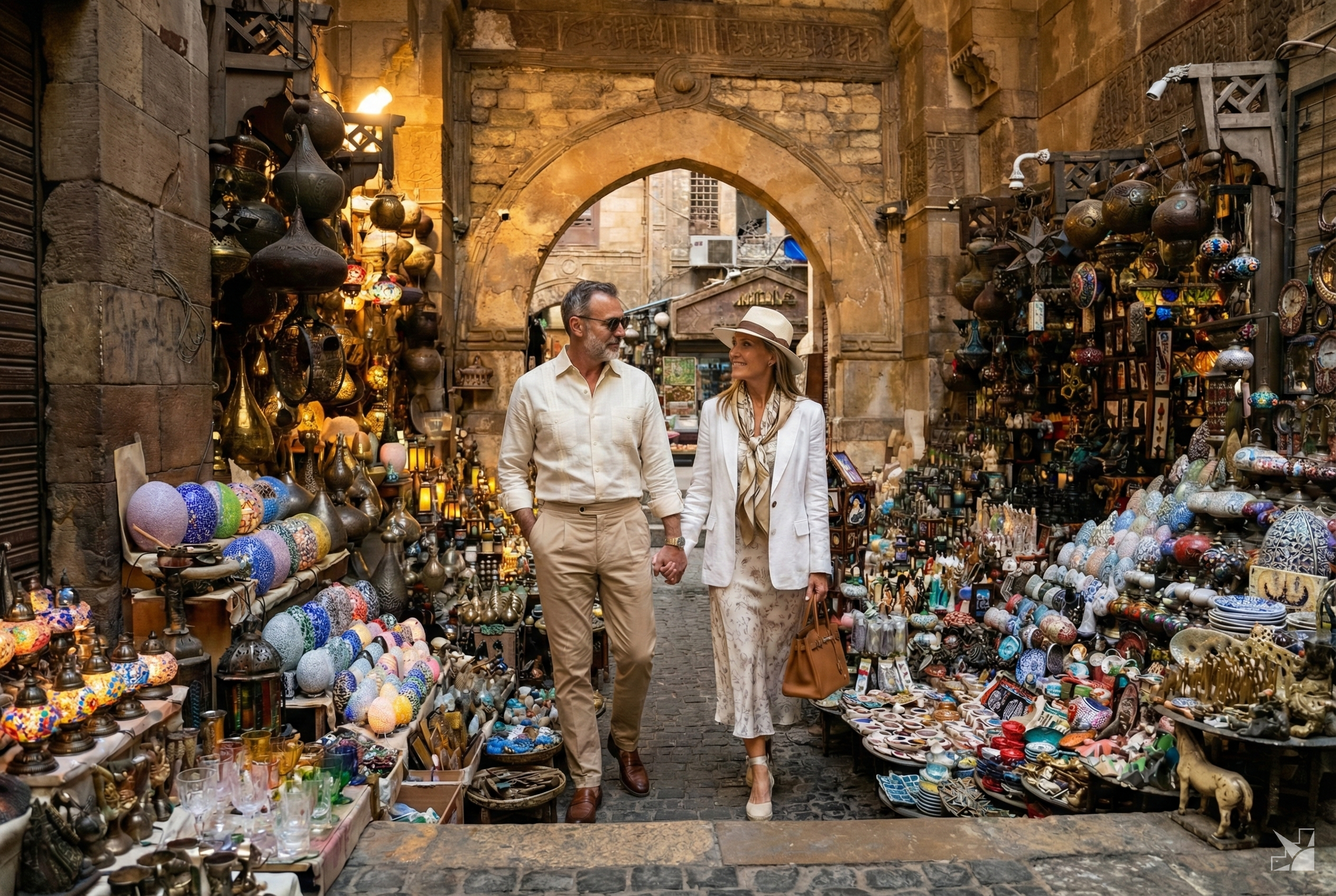
Before you book a flight from JFK or O'Hare, you need to separate the Headline Noise from the Ground Reality. This guide is not a list of temples; it is a strategic briefing on how to navigate Egypt safely, respectfully, and efficiently as a US citizen.
01. The Safety Calculus
The most common question we receive from US clients is: "Is it actually safe?"
The answer requires nuance. Egypt takes tourism security more seriously than perhaps any other nation on earth, simply because its economy depends on it. There is a dedicated "Tourist Police" force that exists solely to protect foreign visitors. You will see checkpoints on roads, metal detectors at hotels, and armed guards at temple entrances.
The "Perception Gap"
What CNN Says
"Regional Instability"
News outlets often group "The Middle East" into a single chaotic entity. Events in neighboring countries are reported as if they are happening in downtown Cairo.
What You See
"Aggressive Hospitality"
The danger in Egypt is not physical violence; it is aggressive salesmanship. You are far more likely to be "attacked" by a perfume salesman than a political radical.
02. Being American in Egypt
There is a lingering fear among US travelers that their nationality makes them a target. The reality is the opposite. Egyptians are culturally obsessed with America.
When you say you are from the USA, the reaction is not hostility; it is curiosity. You will be asked about New York, California, and Hollywood. The "Political Government" relationship is separate from the "Human Street" relationship. In the tourist corridors (Luxor, Aswan, Giza), the American dollar is King, and the American tourist is a VIP.
Strategic Advice: The "Invisible" Traveler
While you are welcome, blending in matters. For US travelers, this means Volume Control. Cairo is loud, but public spaces are conservative. The loud, booming "American voice" draws attention. Lowering your speaking volume by 30% instantly changes how locals perceive you—from "Tourist Target" to "Respectful Guest."
03. Distinguishing "Hassle" from "Danger"
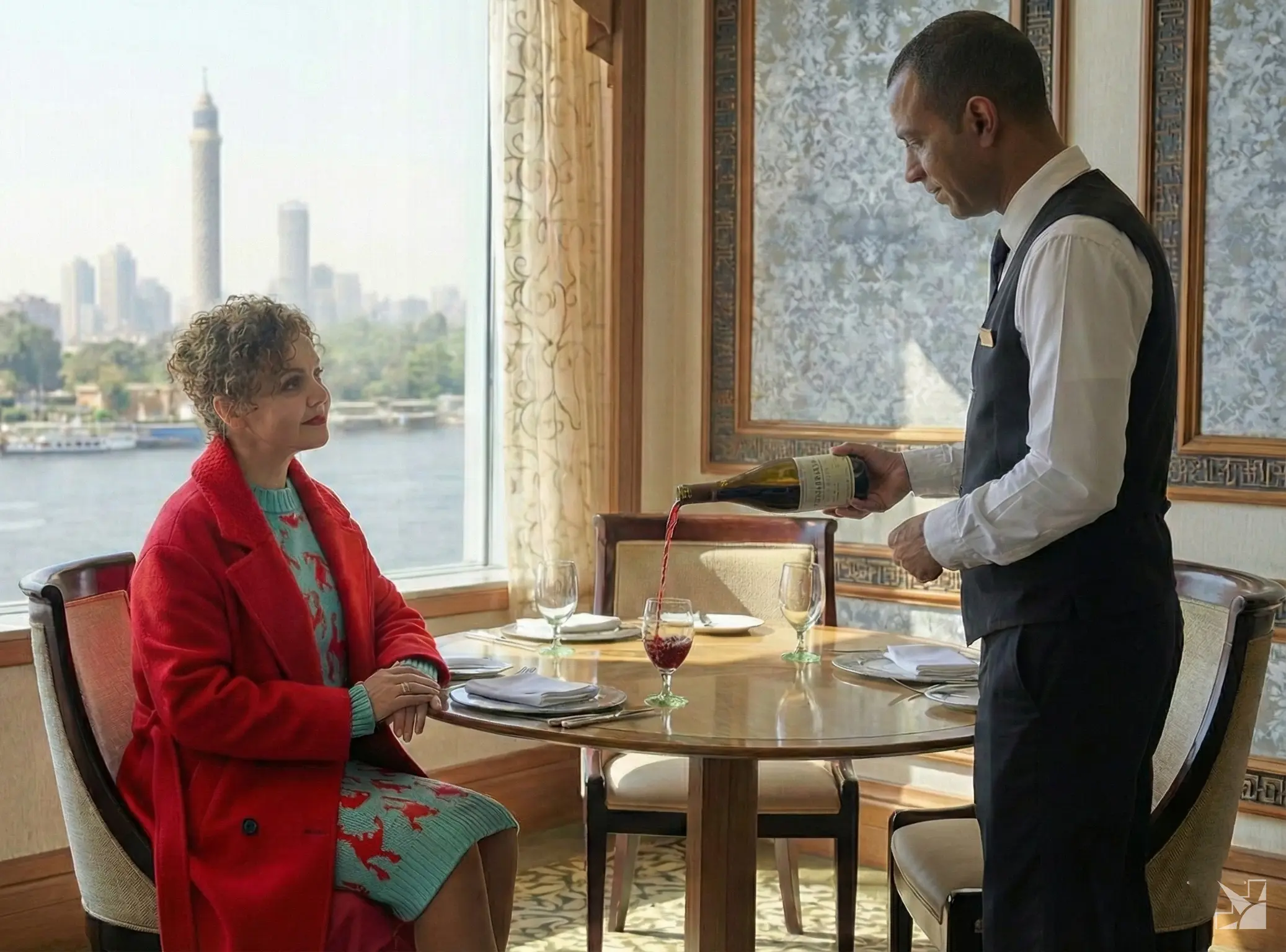
This is the most critical distinction for a stress-free trip. Egypt has a "Hassle Culture."
At the Pyramids, men will tell you that walking is forbidden and you must take a camel (a lie). In Luxor, taxi drivers will claim the museum is closed but they know a "better" shop (a lie).
This is not a security threat; it is a friction tax. American travelers often interpret this aggressive solicitation as threatening because it violates US personal space norms. It is not. It is simply commerce without boundaries. The solution is not to call the police; it is to wear sunglasses, keep walking, and learn the magic word: "La, Shukran" (No, thank you), said firmly without making eye contact.
04. Biological Defense: The Water Protocol
After security, the second biggest fear for the American traveler is "Pharaoh’s Revenge" (GI illness). The concern is valid. The bacteria in the Nile Delta are different from the bacteria in the Mississippi or the Hudson. Your gut is not trained for this biome.
The standard advice is "Don't drink the tap water." This is insufficient. To remain 100% operational, you must adopt a stricter protocol.
05. The "Baksheesh" Economy
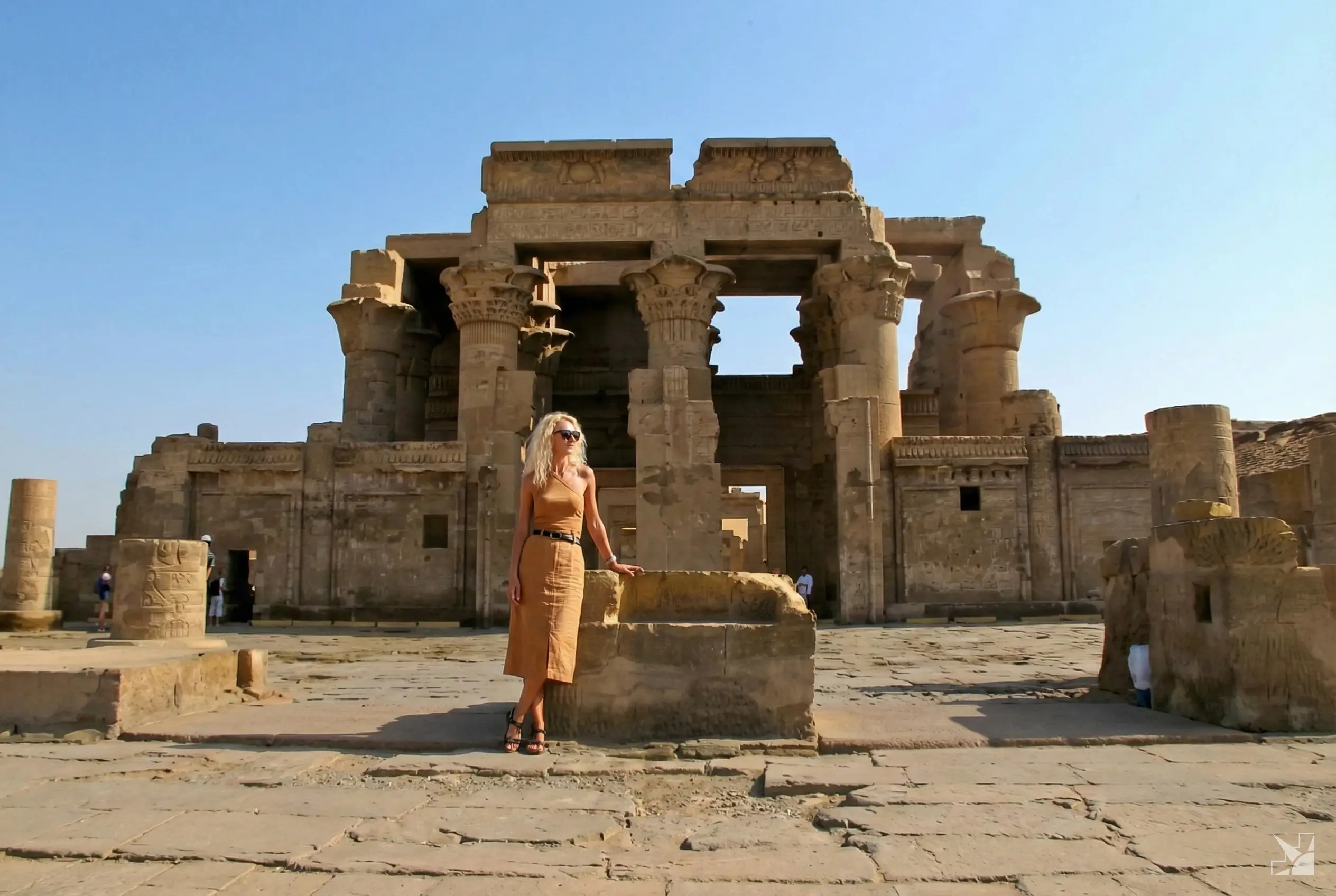
Nothing confuses the American traveler more than the Egyptian tipping culture. In the US, a tip is a reward for good service. In Egypt, "Baksheesh" is a structural part of the economy. It is not a bonus; it is a salary supplement relied upon by millions.
You will be expected to tip: The driver, the bellman, the bathroom attendant, the guide, the felucca captain, and the guard who unlocks a tomb for you. If you fight this, you will be miserable. If you accept it as a "Micro-Transaction System," you will flow through the country effortlessly.
The "Stack of Ones" Strategy
Cash is King. Credit cards work in hotels, but on the street, they are useless.
Before leaving the US, go to your bank and withdraw $300 in Single Dollar Bills ($1).
Why? Because the Egyptian Pound (EGP) fluctuates, but the USD is hard currency. A $1 bill is the universal "key" in Egypt. It opens doors, solves minor problems, and satisfies the bathroom attendants. Do not bring $100 bills for daily use; nobody has change for them. Bring a brick of singles.
06. Digital Lifelines
In 2026, connectivity is a safety requirement. Relying on hotel Wi-Fi is a mistake; it is often throttled and insecure.
The Mistake
US Carrier Roaming
AT&T and Verizon charge $10/day for an "International Pass." That is $300 for a couple on a 2-week trip. It is expensive and often routes data through high-latency servers.
The Solution
Local eSIM
Before you land, download an eSIM app (like Airalo or Holafly). You can buy 10GB of data for roughly $20. It connects to Vodafone Egypt or Orange (the best networks) instantly upon landing.
Critical Tool
The VPN Requirement
Egypt blocks many VoIP services (like WhatsApp calls) intermittently. To call home or use US streaming services, you must have a VPN installed on your phone before you arrive.
07. The Paper Wall: Visa Logistics
For US citizens, entering Egypt is bureaucratically simple, but technically frustrating. There are two paths: The Official E-Visa Portal and the "Old School" Method.
Path A: The E-Visa
The Theory: Apply online 7 days before. Upload passport scan. Pay $25.
The Reality: The government website is notoriously buggy. It often rejects valid credit cards or crashes during upload. If you make a typo, you are denied at the border.
Path B: On-Arrival
The Strategy: Ignore the website. Fly to Cairo.
Before passport control, go to the bank kiosk. Hand them $25 USD cash. They give you a sticker. Stick it in your passport. Proceed to the officer. Done in 3 minutes.
VERDICT: STRONGLY RECOMMENDED FOR US CITIZENS.
08. The Fabric Defense: What to Wear
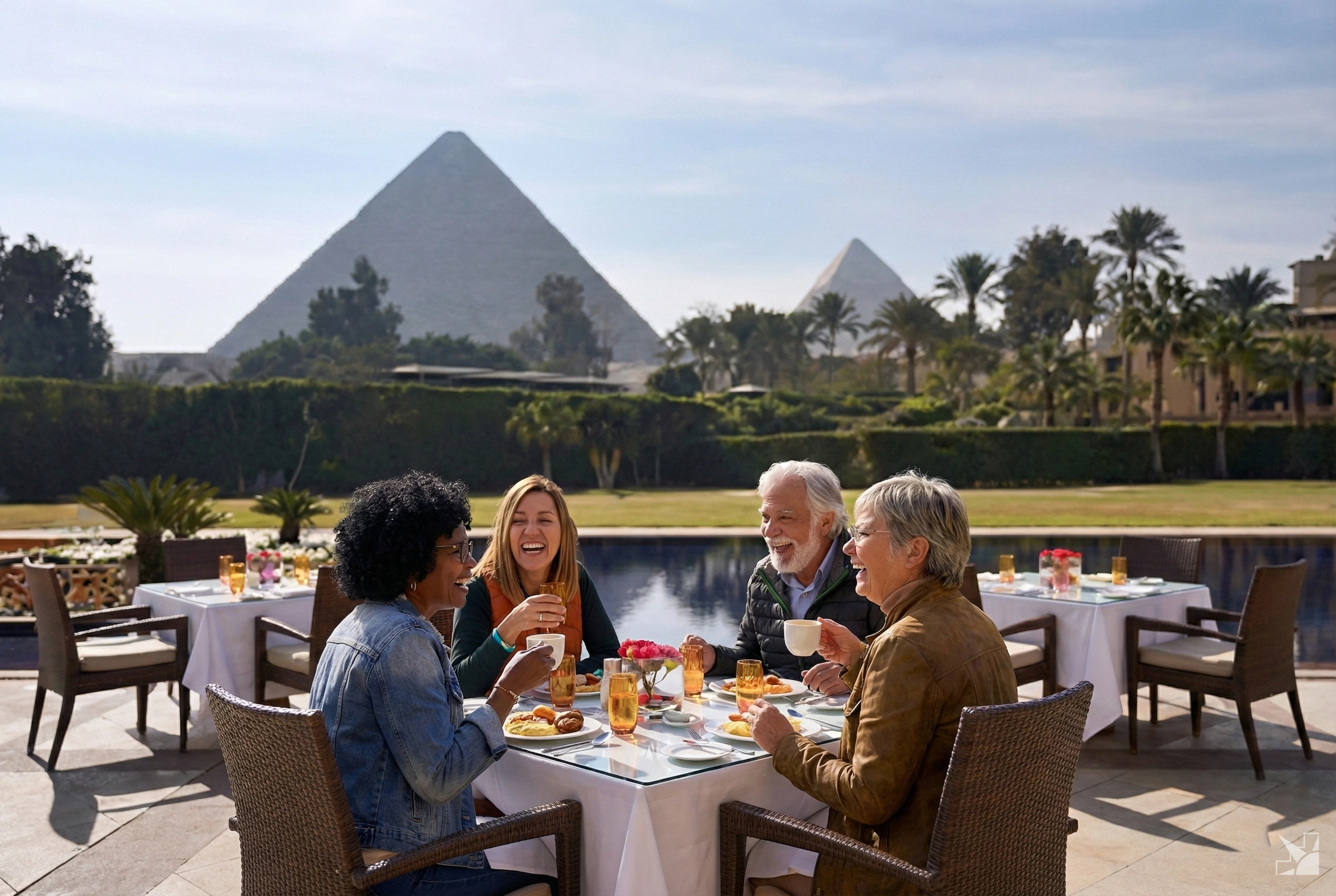
The Logic: You dress for two enemies: The Sun and The Stare. Egypt is a conservative society. While you can wear shorts in Cairo, you will attract unwanted attention ("The Stare"). To move invisibly, you must adapt.
Female Strategy
- The Rule: Shoulders and knees covered in cities/temples.
- The Material: 100% Linen or Cotton. Synthetics (polyester) will suffocate you in the heat.
- The Weapon: A large, lightweight scarf. Carry it everywhere. It covers hair for mosques, shoulders for sun, and nose for dust.
Male Strategy
- The Rule: Egyptian men do not wear shorts in the city. Long linen trousers command respect.
- The Shoes: Closed-toe walking shoes. The streets of Cairo are dusty and uneven. Sandals are for the pool deck only.
- The Hat: Wide brim. The sun at the Valley of the Kings is vertical and merciless.
"Egypt is not a vacation. It is an education."
It will challenge your patience with its chaos and reward your soul with its magnitude. If you approach it with the right intelligence—respecting the culture, protecting your health, and managing the logistics—it will be the most profound journey of your life.
Ready to execute this strategy?
Ile Tours Intelligence Unit • 2026 Season Briefing