Senior Travel Guide // Dual Ecosystems
The Amazon and Galapagos:
Navigating Two Extremes.
Combining South America's most biologically diverse regions is the ultimate retirement expedition. However, standard jungle lodges present severe physical and climatic risks. For mature travelers, the methodology of exploration dictates survival and comfort.
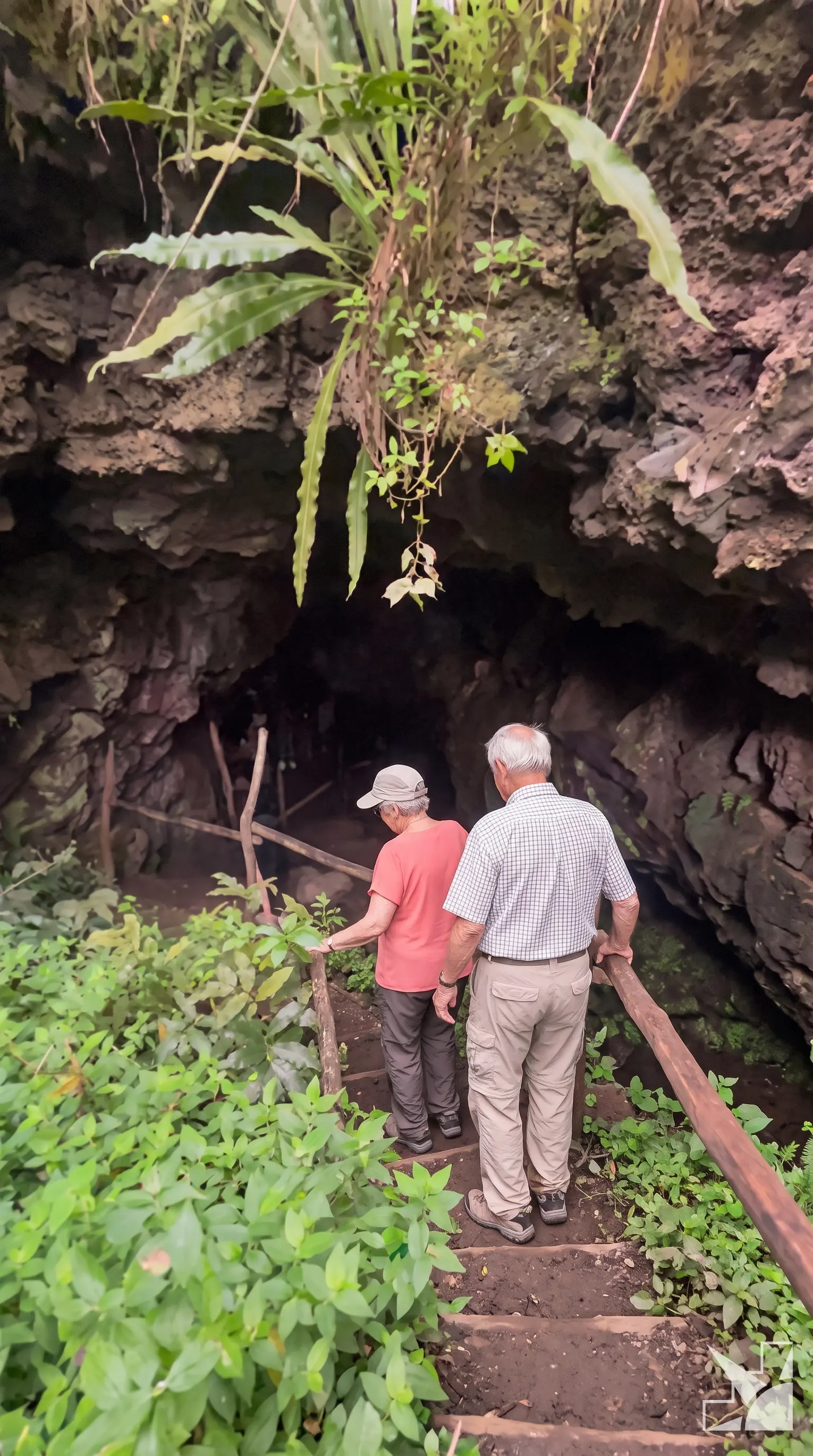
"The jungle is unforgiving to the unprepared. True luxury in the Amazon is not a larger room; it is hermetic climate control and navigable infrastructure."
Is the Amazon Safe for Older Adults?
When US retirees search for "Galapagos and Amazon combined tours for seniors," commercial agencies immediately push traditional land-based jungle lodges. Analytically, this is a flawed proposition. Terrestrial lodges require trekking through dense, muddy terrain under 90% humidity, and many lack 24-hour generator power for air conditioning, leading to severe thermal exhaustion and sleep deprivation.
If you are evaluating an "Amazon river cruise vs lodge," the logistical superiority of a vessel is undeniable. A river cruiser operates as a mobile, hermetically sealed sanctuary, isolating you from heat, insects, and physical strain while delivering you directly into deep biodiversity zones.
I. The Floating Hotel Model
We strictly bypass terrestrial camps in favor of marine engineering. The 8-Day First-Class River Cruiser (M/V Manatee) offers panoramic, floor-to-ceiling windows. You observe pink dolphins and primate canopies from an air-conditioned suite, eliminating the necessity of grueling humidity hikes.
II. Transnational Integration
Piecing these ecosystems together independently invites catastrophic logistical failure. Our comprehensive 19-Day Luxury Amazon & Galapagos Expedition synchronizes private domestic flights and VIP tarmac transfers, ensuring zero exposure to public transport friction between the jungle basin and the Pacific archipelago.
```
Senior Travel Guide // Orthopedic Considerations
How Much Walking is Actually Required?
Evaluating the reality of volcanic terrain and high-altitude cobblestones for travelers managing joint fatigue and limited mobility.
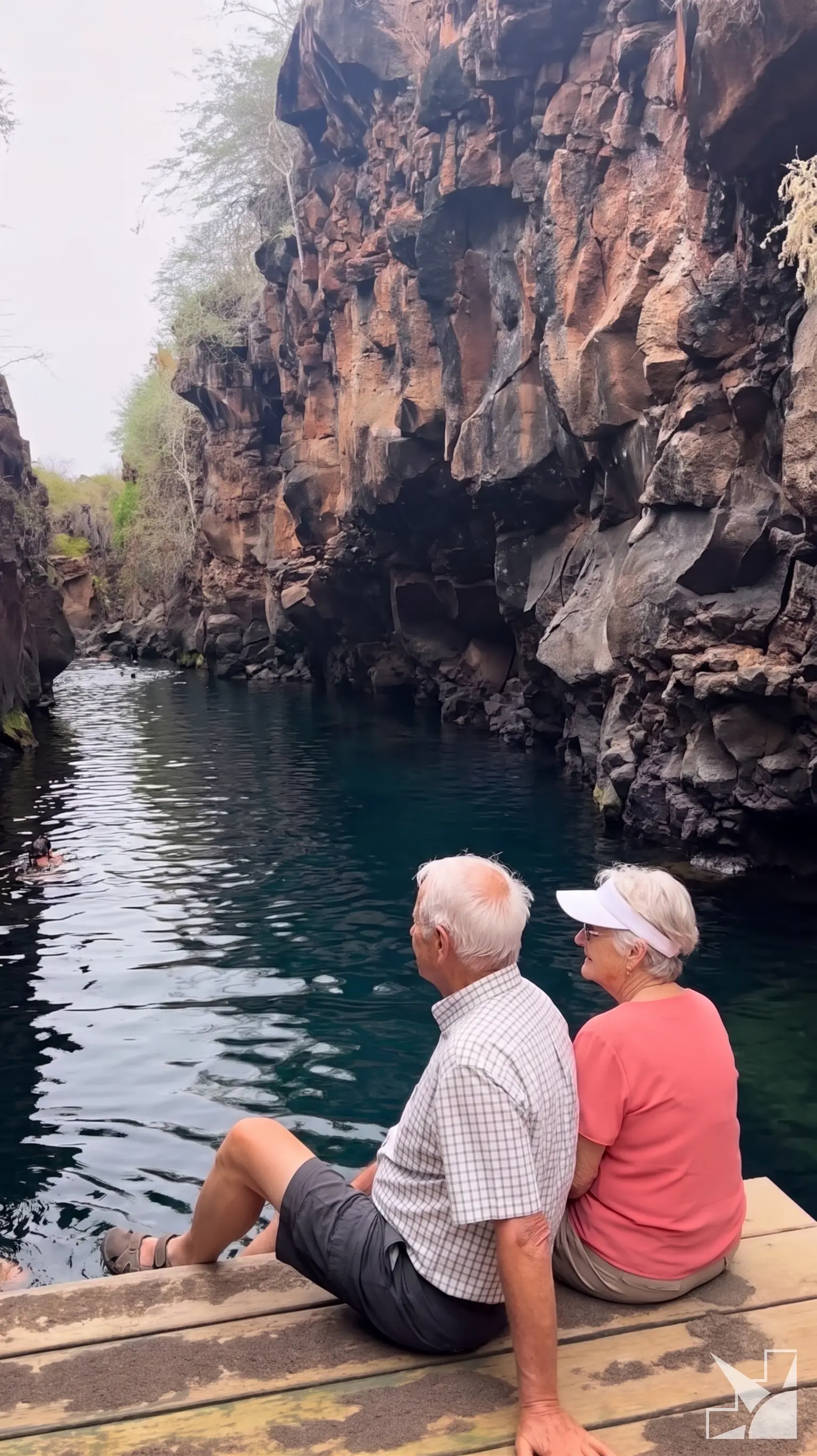
The "Bad Knees" Dilemma
A massive volume of US retirees search for "Galapagos trips for older adults with bad knees" or "Galapagos tours without too much walking." Commercial tour operators consistently downplay the difficulty of the terrain. Unprocessed volcanic rock (A'a lava) is sharp, uneven, and brutally unforgiving on knee and hip replacements.
When combined with the steep, irregular stone staircases of the Andean highlands, standard group tours quickly degenerate into a painful physical endurance test. You cannot rely on a generic 12-day package to accommodate your orthopedic limits.
Extended Chronological Pacing
Recovery time is a biological necessity. To mitigate joint inflammation, we drastically slow the operational pace. Our 25-Day Peru & Ecuador Tour structurally separates high-impact archaeological walking days with low-impact transit and thermal recovery days, ensuring your cartilage is not compounded by back-to-back strain.
Maritime Alternative Viewing
If a specific island landing is deemed too rugged, our private academic guides deploy maritime alternatives. Utilizing vessels like the M/V Galapagos Legend, we arrange coastal dinghy rides (Panga explorations) that allow you to photograph penguins, marine iguanas, and blue-footed boobies up close from a comfortable, seated position, bypassing the terrestrial hike entirely.
Senior Travel Guide // Climate & Seasonal Strategy
The Myth of the "Year-Round" Destination.
Commercial agencies claim the archipelago is perfect at any time. For a 20-year-old backpacker, perhaps. But when mature travelers ask "what is the best time of year to go to the Galapagos for older adults," they are trying to prevent thermal exhaustion or dangerous slips on wet boat decks.
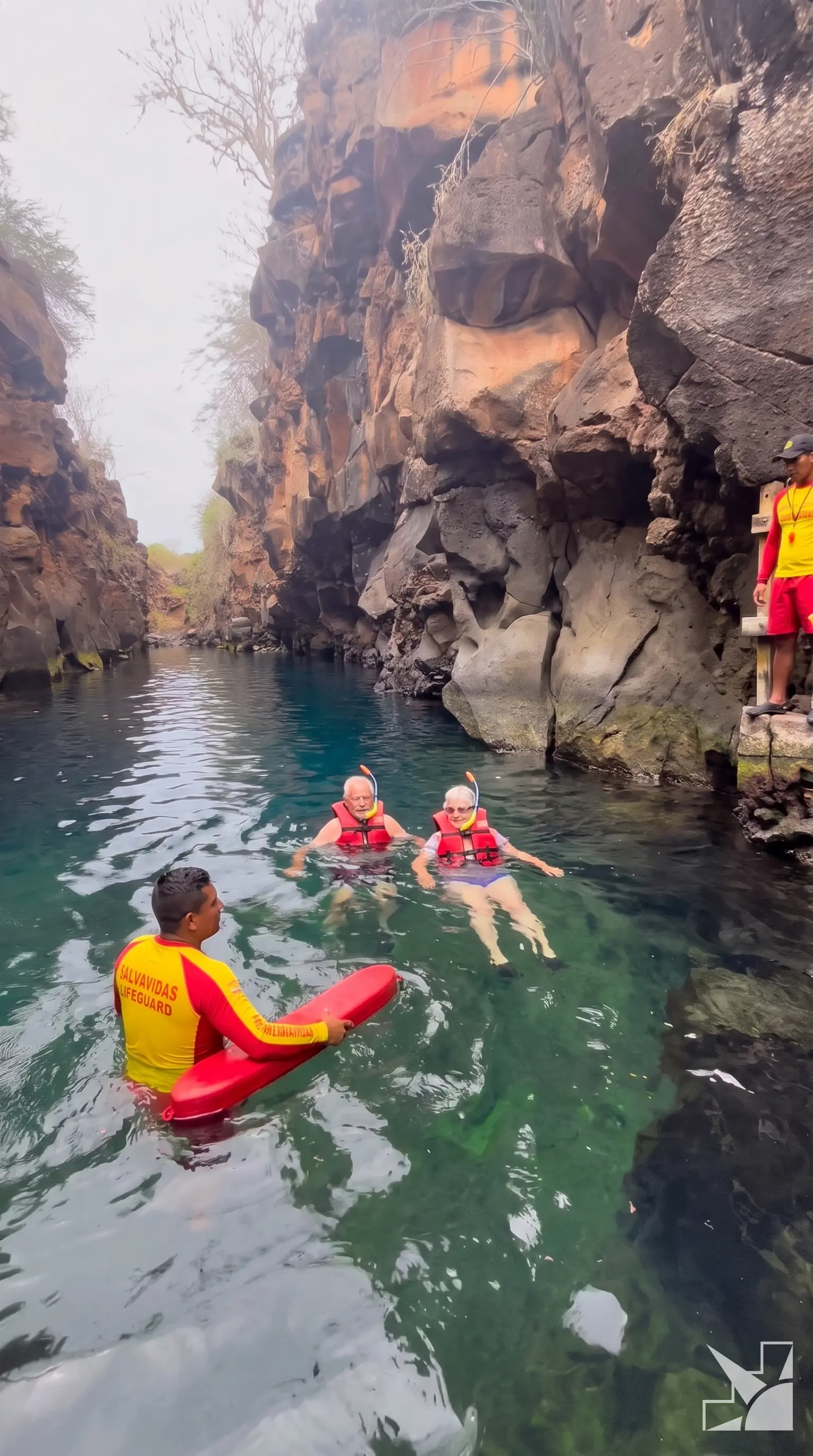
Aligning with Thermal Tolerance
The equator is binary. The warm/wet season (January-May) offers calm seas but brutal humidity and heat. The Garua season (June-December) brings cooler, overcast skies and active marine life, but rougher ocean currents. If you prioritize a highly curated, shorter exposure to the equatorial sun, the 9-Day Quito & Galápagos Tour is engineered to deliver cultural depth and wildlife highlights before thermal fatigue accumulates.
Shielding Against Holiday Crowds
Retirees often search for "Christmas in Galapagos for seniors" to escape winter at home. However, late December transforms airports and main ports into chaotic, multi-generational bottlenecks. To secure a genuinely stress-free Galapagos vacation during peak season, you must isolate your logistics. Our 14-Day Christmas & New Year in Machu Picchu & Galapagos relies entirely on VIP airport corridors, private guides, and exclusive vessel allocations to insulate you from the tourist surge.
Stop Adapting to Poorly Designed Tours.
Demand a Blueprint Built for You.
At this stage in life, you should not be subjected to the exhausting pace of commercial group travel. Partner with Ile Tours to engineer a private expedition that respects your physical parameters and redefines your understanding of luxury in the wild.