A Beginner's
Guide To
Peruvian Ingredients
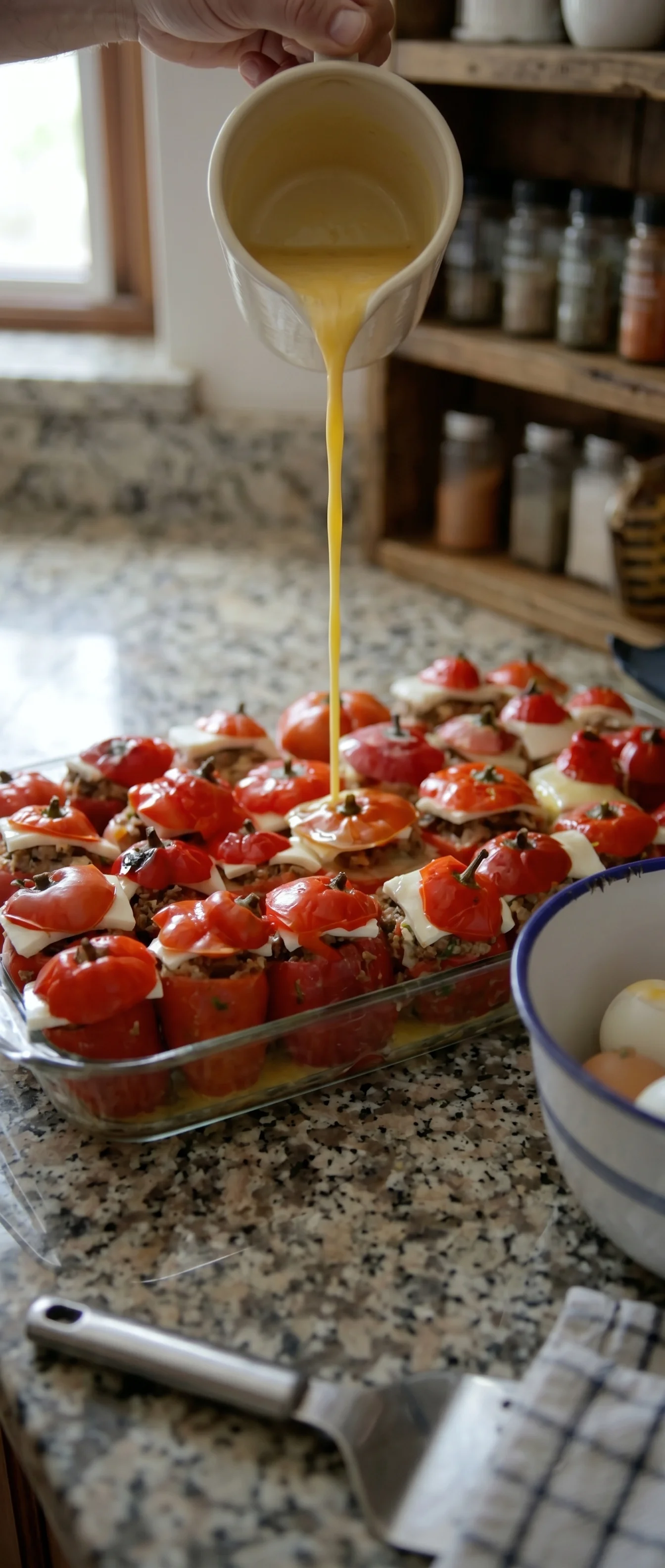
Every great cuisine begins with exceptional ingredients, and few countries can rival Peru's natural diversity. From ancient Andean crops to ingredients harvested from the Pacific Ocean and the Amazon rainforest, Peru offers one of the world's richest culinary foundations.
Understanding these ingredients helps travelers appreciate why Peruvian cuisine has become one of the most celebrated food cultures on the planet.
Why Ingredients Matter
More Than Recipes
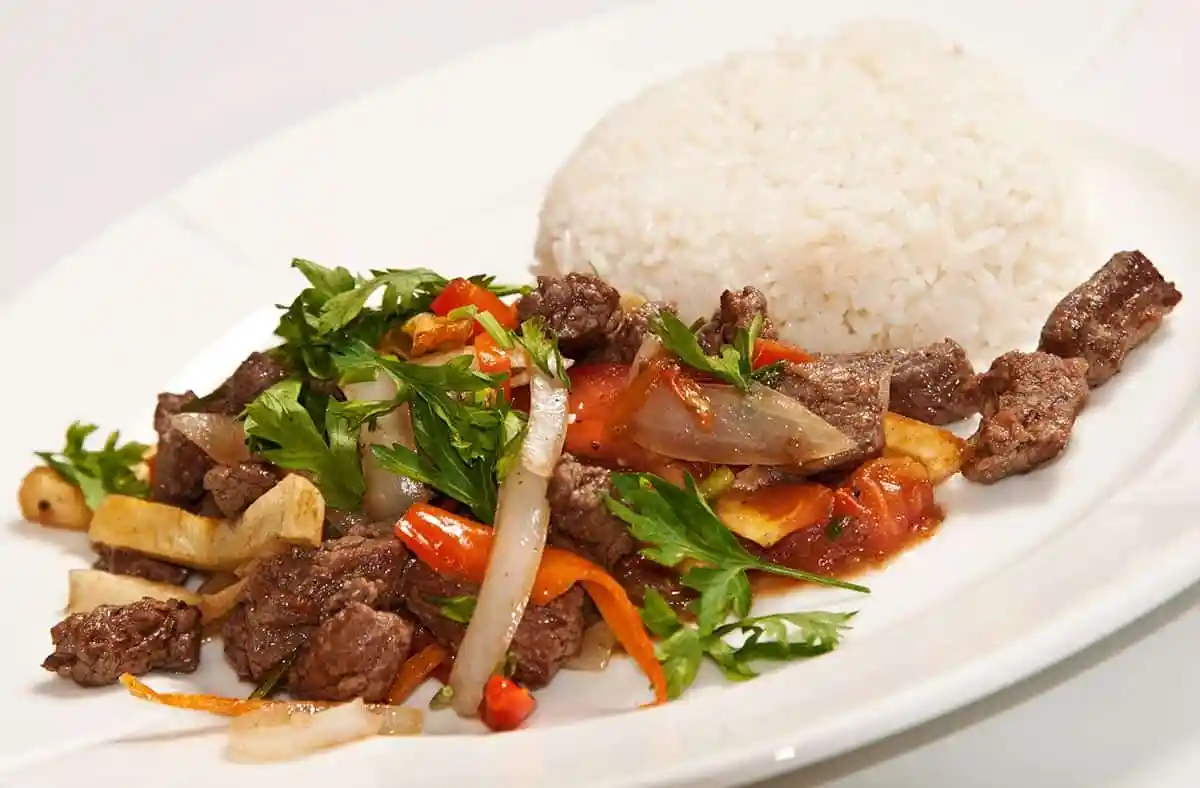
Many visitors arrive in Peru searching for famous dishes such as ceviche or lomo saltado. However, professional chefs often point to something even more important: the incredible quality and variety of ingredients available throughout the country. These ingredients shape flavors, techniques, and traditions that have evolved over thousands of years.
Potatoes
Peru is the birthplace of the potato and remains home to thousands of native varieties. Different colors, textures, and flavors make potatoes one of the most important ingredients in Peruvian cooking.
Quinoa
Long before quinoa became a global superfood, it was a cornerstone of Andean nutrition and remains an essential ingredient throughout Peru.
Ají Peppers
Ají amarillo, ají panca, and numerous regional peppers provide the distinctive flavor profiles that define many classic Peruvian dishes.
Discover Peru's Ingredients Firsthand
The Peruvian Cooking Classes in 3 Cities – 12 Days experience introduces travelers to local markets, native ingredients, traditional recipes, and hands-on cooking sessions in Lima, Arequipa, and Cusco.
Where Peru's Most Important
Ingredients Come From
Peru's incredible culinary diversity exists because the country contains dramatically different ecosystems. The Pacific Coast, Andes Mountains, and Amazon Basin each contribute unique ingredients that have shaped regional cuisines for centuries.
Fresh Seafood & Citrus
The coastal region supplies fresh fish, shellfish, seaweed, and citrus fruits that form the foundation of famous dishes such as ceviche and tiradito. The cold Humboldt Current helps create one of the world's richest marine ecosystems.
Ancient Superfoods
The Andes provide potatoes, quinoa, corn, beans, herbs, and countless crops cultivated for thousands of years. Many of these ingredients remain central to modern Peruvian gastronomy.
Exotic Fruits & Flavors
The Peruvian Amazon contributes tropical fruits, cacao, native fish species, medicinal plants, and ingredients that continue inspiring innovative chefs across the country.
Where Travelers Discover Peru's Culinary Diversity
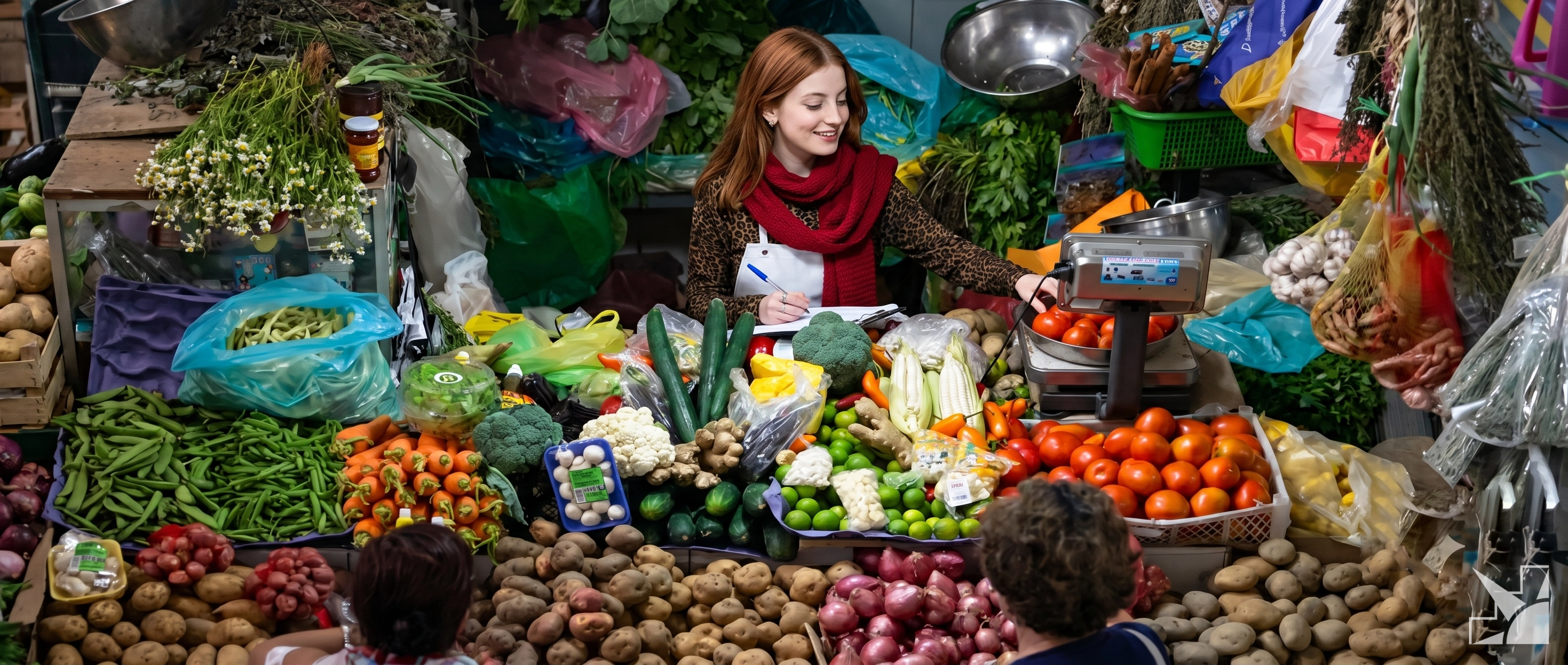
Local markets provide one of the best introductions to Peruvian ingredients. Colorful displays of native potatoes, fresh herbs, tropical fruits, grains, and peppers reveal the incredible variety available throughout the country.
For many travelers, a market visit becomes one of the most memorable parts of a culinary journey because it connects ingredients directly to local culture and daily life.
Understanding the ingredients helps visitors better appreciate the dishes they later prepare and enjoy.
Learning Why Ingredients Matter
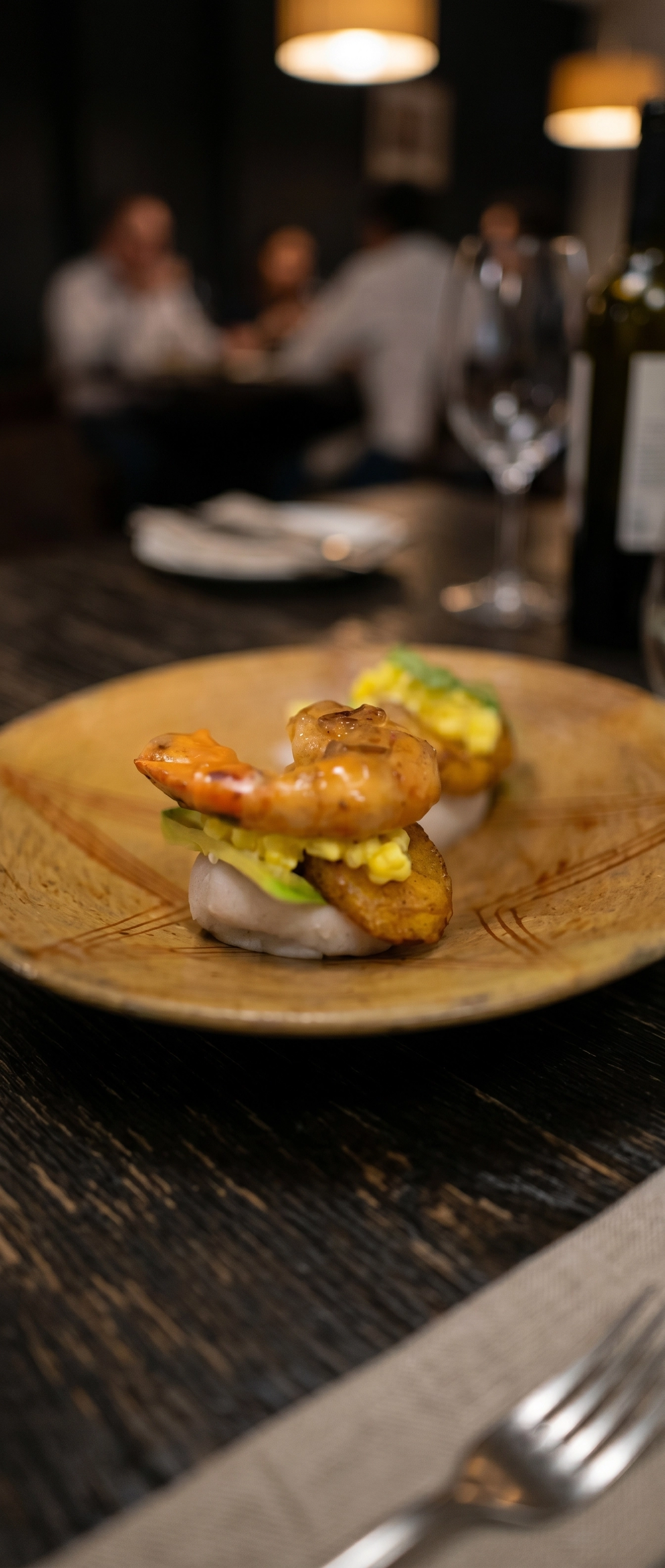
The difference between simply eating Peruvian food and truly understanding it often comes down to learning about the ingredients themselves. Knowing where ingredients come from and how they are traditionally used provides a much deeper appreciation of Peru's culinary heritage.
The Peruvian Cooking Classes in 3 Cities – 12 Days program includes opportunities to explore local markets, meet culinary experts, and learn how native ingredients become some of Peru's most celebrated dishes.
The Ingredients That Helped
Make Peru Famous
Peru's international culinary reputation was built long before travelers started arriving specifically for food experiences. The country's success comes from centuries of agricultural innovation, extraordinary biodiversity, and regional traditions that continue to preserve native ingredients rarely found elsewhere in the world.
Ají Amarillo
Often called the backbone of Peruvian cuisine, this vibrant yellow pepper contributes flavor, color, and aroma to countless traditional recipes.
Purple Corn
Used in traditional beverages and desserts, purple corn remains one of Peru's most distinctive native crops.
Native Potatoes
Many varieties are cultivated only in specific Andean regions, making them an important part of Peru's culinary identity.
Quinoa
This ancient grain continues to play an important role in both traditional Andean cuisine and contemporary Peruvian gastronomy.
Peruvian Ingredients FAQ
What are the most important ingredients in Peruvian cuisine?
Potatoes, quinoa, corn, ají peppers, seafood, herbs, and tropical fruits are among the most important ingredients used throughout Peru.
Why does Peru have so many unique ingredients?
Peru's geography includes coastal deserts, high mountains, and rainforest ecosystems that support extraordinary biodiversity.
Can visitors learn about Peruvian ingredients during a trip?
Yes. Market tours, cooking classes, and culinary experiences provide excellent opportunities to discover the ingredients that define Peruvian gastronomy.

See, Taste, And Learn
The Real Peru
Understanding Peru's ingredients transforms the entire travel experience. Suddenly, every market, restaurant, and traditional dish reveals deeper stories about the country's geography, history, and culture.
The Peruvian Cooking Classes in 3 Cities – 12 Days program combines market visits, hands-on cooking sessions, cultural immersion, Cusco, Arequipa, Lima, the Sacred Valley, and Machu Picchu into one complete culinary adventure.