What Makes
Peruvian Cuisine
So Unique?
Peruvian cuisine is consistently ranked among the world's most exciting food cultures. Travelers arrive expecting great meals, but many leave fascinated by the extraordinary combination of ingredients, traditions, and cultural influences that have shaped Peru's culinary identity for centuries.
From Pacific seafood and Andean superfoods to ancient farming techniques and international influences, Peru offers a gastronomic diversity that few countries can match.
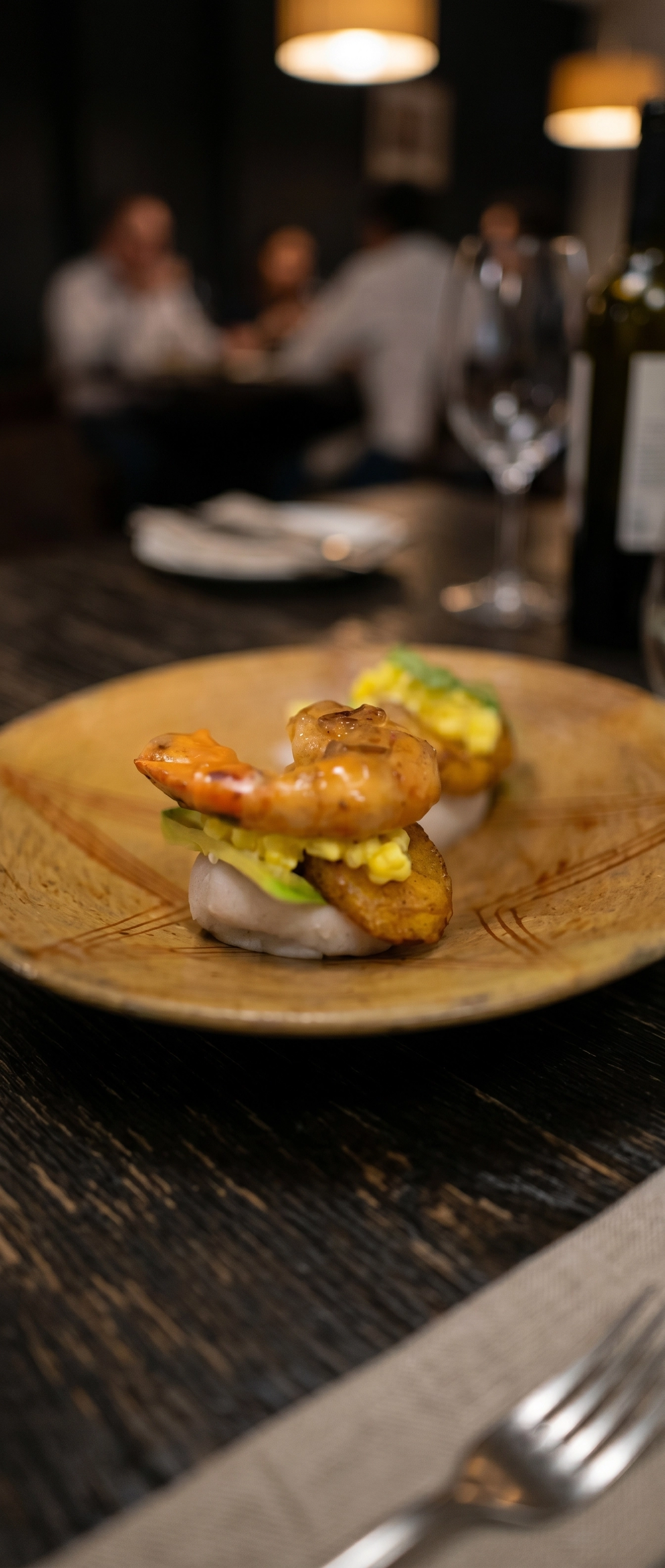
A Country With More Than
One Culinary Identity
Unlike many destinations that are known for a handful of iconic dishes, Peru's cuisine changes dramatically from one region to another. Coastal communities, Andean villages, and Amazonian settlements all contribute ingredients, recipes, and cooking techniques that create a remarkably diverse culinary landscape.
Extraordinary Biodiversity
Peru is one of the world's most biodiverse countries, providing chefs with access to thousands of varieties of potatoes, corn, peppers, fruits, grains, and seafood.
Ancient Culinary Traditions
Many ingredients and preparation techniques still used today originated long before the Inca Empire and continue to play an important role in modern Peruvian cuisine.
Global Influences
Spanish, African, Chinese, Japanese, and European communities have all contributed techniques and flavors that helped shape Peru's modern culinary identity.
The Best Way To Understand Peruvian Cuisine
Travelers who want to go beyond restaurants can experience Peru's culinary traditions directly through the Peruvian Cooking Classes in 3 Cities – 12 Days program, which combines cooking workshops, local markets, cultural exploration, Cusco, Arequipa, Lima, the Sacred Valley, and Machu Picchu.
Thousands Of Native Ingredients
Still Shape Modern Cuisine
One of the biggest reasons Peru's cuisine stands apart is the sheer variety of ingredients available throughout the country. Peru is home to ecosystems that range from Pacific coastlines and high-altitude mountains to tropical rainforests, creating an unparalleled culinary pantry.
Native Potato Varieties
Peru is the birthplace of the potato and remains home to an astonishing diversity of varieties still cultivated throughout the Andes.
Types Of Corn
Different colors, textures, and flavors of corn continue to play essential roles in both traditional and modern Peruvian cooking.
Regional Chili Peppers
Ají peppers contribute color, aroma, and flavor complexity to countless dishes found throughout the country.
Of Culinary Evolution
Ancient agricultural knowledge continues to influence how ingredients are grown, preserved, and prepared today.
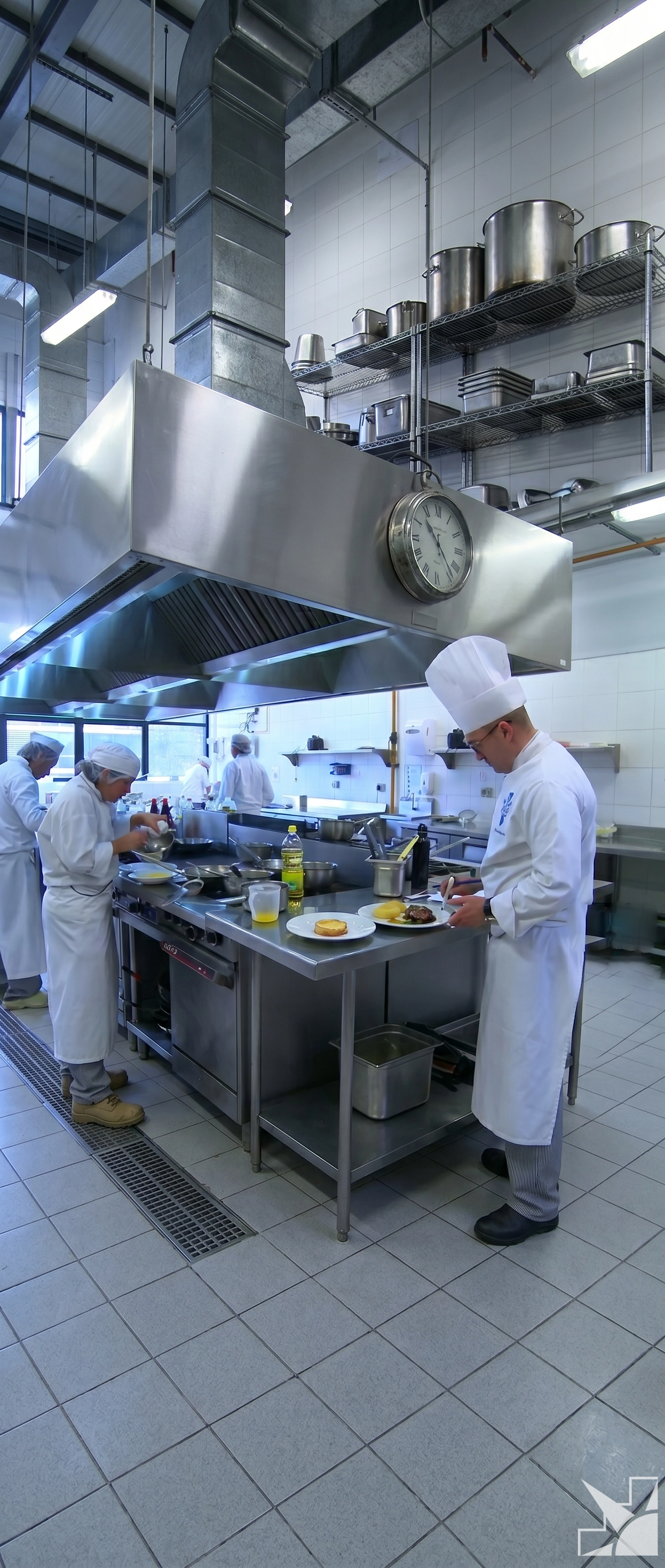
How Different Cultures Shaped Peru's Food
Peruvian cuisine is not only about native ingredients. It is also the result of centuries of cultural exchange. Spanish settlers introduced new livestock, grains, and cooking methods. African communities contributed culinary traditions that remain influential today.
Later, Chinese immigrants helped inspire the development of Chifa cuisine, while Japanese influences contributed techniques that eventually transformed seafood preparation and presentation.
This combination of local ingredients and international influences created one of the world's most distinctive gastronomic identities.
Understanding Peru Through Its Food
The complexity of Peruvian cuisine becomes much easier to appreciate when travelers experience it firsthand. Visiting local markets, interacting with chefs, and preparing traditional recipes provides context that simply cannot be gained through restaurant dining alone.
The Peruvian Cooking Classes in 3 Cities – 12 Days itinerary allows visitors to discover how ingredients, traditions, and regional cultures come together to create the cuisine that has made Peru famous worldwide.
Why Peru Continues To Inspire
Food Travelers Worldwide
Peru's culinary success is not simply the result of a few famous recipes. It comes from an extraordinary combination of biodiversity, ancient agricultural knowledge, cultural influences, and a deep respect for regional traditions. Together, these elements create a food culture that continues to captivate travelers from around the world.
Regional Authenticity
Each region maintains unique culinary traditions that allow visitors to experience completely different flavors throughout a single journey.
Exceptional Ingredients
Native potatoes, quinoa, corn, peppers, seafood, and tropical fruits continue to provide chefs with an unmatched range of ingredients.
Living Traditions
Many culinary practices remain deeply connected to local communities, preserving techniques and recipes passed down through generations.
Global Recognition
International travelers increasingly view Peru as a destination where culture, history, and gastronomy come together in a unique way.
Peruvian Cuisine FAQ
Why is Peruvian cuisine considered unique?
Peruvian cuisine combines native ingredients, ancient traditions, and international influences to create a culinary identity unlike any other in the world.
What ingredients are most important in Peru?
Potatoes, quinoa, corn, ají peppers, seafood, and a wide range of native fruits are among the foundations of Peruvian gastronomy.
Can travelers learn traditional Peruvian cooking?
Yes. Cooking classes throughout Peru allow visitors to prepare traditional recipes while learning about ingredients, techniques, and regional culinary traditions.

The Story Of Peru
Begins In The Kitchen
Food offers one of the most authentic ways to understand Peru's culture. Every ingredient, recipe, and preparation method reflects centuries of history, geography, migration, and tradition. For travelers seeking a deeper connection with the country, culinary experiences provide insights that extend far beyond sightseeing.
The Peruvian Cooking Classes in 3 Cities – 12 Days journey combines cooking workshops in Lima, Arequipa, and Cusco with visits to the Sacred Valley and Machu Picchu, creating one of Peru's most immersive cultural and culinary experiences.