THE NEW LUXURY METRIC:
High-net-worth travel in 2026 is no longer defined by the thread count of the sheets, but by the complexity of the flavors. The "Smart Money" is leaving the beach resorts to embark on a pilgrimage to the south. They are heading to Oaxaca. Why? Because this state holds the culinary soul of the Americas. This is the start of the "Mexico Contrasts Circuit," a journey designed for the traveler who wants to taste the history of the world.
If the Yucatán is about relaxation and relaxation is about disengaging, Oaxaca is about engagement. It demands your attention. It is a region of rugged mountains, indigenous sovereignty, and a culinary tradition that UNESCO recognized as an Intangible Cultural Heritage of Humanity long before "foodie tourism" was a hashtag.
For the sophisticated traveler, the "Mexico Contrasts" circuit offers the ultimate duality: The intellectual depth of the Zapotec civilization paired with the most complex flavors on the continent. It is a trip of intense colors and spiritual weight.
1. OAXACA CITY: THE ALCHEMY OF FLAVOR
To compare Oaxaca to other Mexican destinations is a category error. Oaxaca is not a resort town; it is a capital of civilization. It is the longest continuously inhabited region in Mexico, where Zapotec and Mixtec dialects are spoken as fluently as Spanish in the markets.
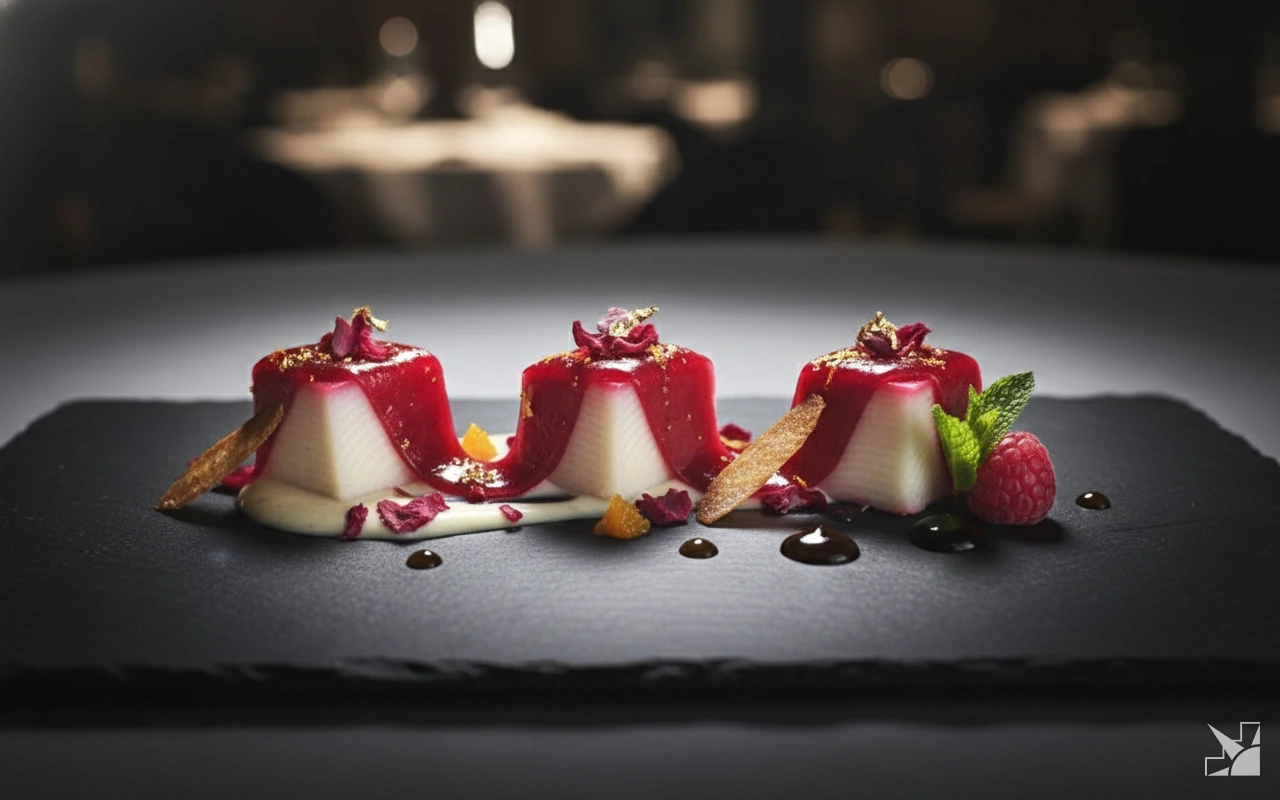
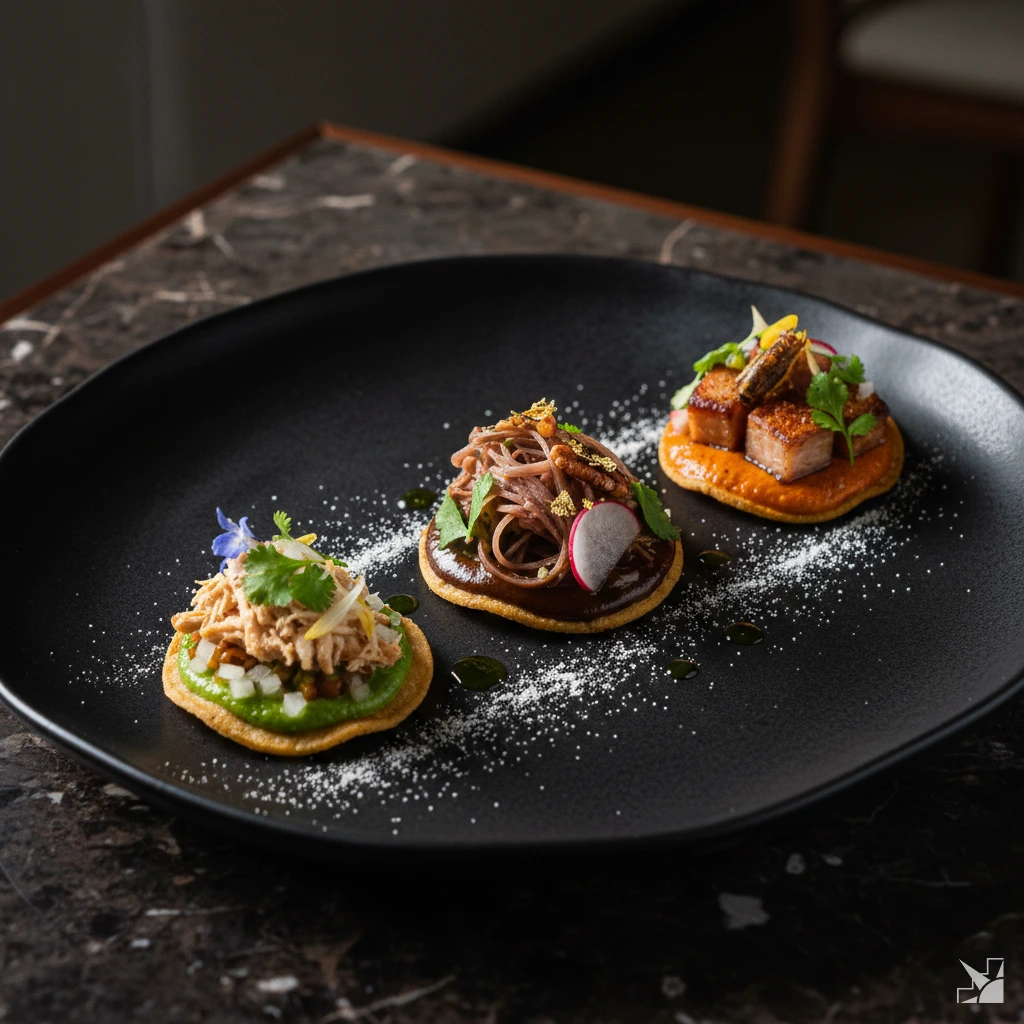
The city center, built from green volcanic stone (Cantera Verde), feels ancient and grounded. But the real draw is the "Alchemy of Mole." Mole is often misunderstood abroad as a simple "chocolate sauce." In reality, it is one of the most complex culinary creations on Earth. A true Mole Negro requires over 30 ingredients—chilies (mulato, chilhuacle, pasilla), nuts (almonds, pecans, peanuts), fruits (plantains, raisins), spices (cloves, cinnamon, thyme), and chocolate—ground together over days to create a sauce that tastes like smoke, earth, and history.
The Standard Tour
⛔ The "Tasting" Menu
Eating mole in a crowded restaurant where the sauce comes from a jar or a bulk supplier, diluted for the tourist palate.
⛔ Mezcal Shots
Buying a bottle with a scorpion in it from a souvenir shop or drinking generic brands in a noisy bar.
The Ile Tours Access
✅ The Zapotec Kitchen
We arrange a private cooking masterclass with a "Mayora" in Teotitlán del Valle. You roast the chilies on the comal yourself.
✅ The Palenque Visit
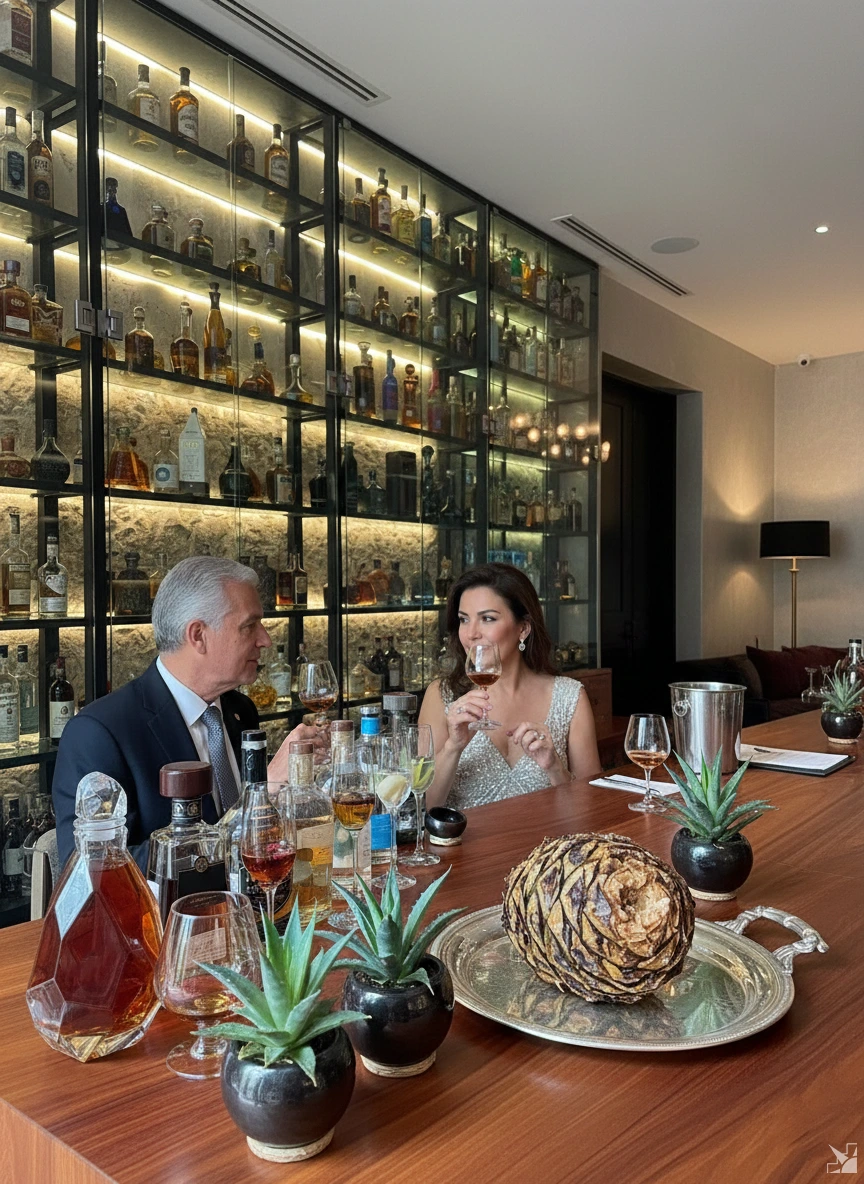
A private driver takes you to the agave fields of Santiago Matatlán. You meet a fourth-generation "Maestro Mezcalero" and taste straight from the earth oven.
Monte Albán: The City in the Clouds
While Chichén Itzá is impressive, Monte Albán is spiritual. The ancient Zapotec capital was carved out of the flattened top of a mountain, overlooking the three central valleys of Oaxaca. The engineering required to build this city 2,500 years ago is mind-bending.
📸 The Photographer's Advantage
Unlike the humid jungle ruins of the Maya world, Monte Albán sits high in the dry mountain air (1,900m). The light here is crystalline. Our itinerary schedules your visit for the late afternoon, when the shadows lengthen across the ball court and the stone turns a deep, warm ochre, avoiding the midday heat and the school groups entirely.
2. PUEBLA: THE BAROQUE JEWEL
If Oaxaca is Indigenous intensity and green stone, Puebla is Spanish opulence and colorful tile. Founded in 1531 "by angels" (according to legend), it was constructed to be the perfect colonial city, strategically located between the Capital and the port of Veracruz. Unlike other Mexican cities built upon indigenous foundations, Puebla was a blank slate, designed with a perfectly rigid grid that reflects the Renaissance ideals of order and divine geometry.
Walking through Puebla offers a completely different sensory experience than the rest of the country. The streets are perfectly straight, lined with buildings covered in intricate ceramic tiles (azulejos) that gleam in the high-altitude sun. This is not a rustic village; it is a sophisticated metropolis that rivals Seville or Madrid in architectural density. It stands today as the guardian of two of Mexico's most prestigious and protected traditions: Talavera Pottery and Extreme Baroque architecture.
The "Eighth Wonder": Capilla del Rosario
You will visit the Capilla del Rosario (Chapel of the Rosary) inside the Church of Santo Domingo. This space is the ultimate expression of the "New Spanish Baroque." When you enter, your eyes will need a moment to adjust to the intensity. Every inch of the interior—walls, ceiling, arches, columns—is covered in 24-karat gold leaf, high-relief stucco, and onyx. It is blindingly beautiful. Pope John Paul II called it the "Reliquary of America." It is a testament to the unimaginable wealth of the silver era, and seeing it in person is a visceral experience that photography simply cannot capture.
The Talavera Legacy: "Slow Luxury" Defined
You have likely seen blue and white pottery before, but authentic Talavera Poblana is a protected denomination of origin (DO4), just like Champagne in France or Roquefort cheese. Only pottery made from the clay of this specific valley, using strict 16th-century techniques, can bear the name. The regulatory council is so strict that they regularly inspect workshops to ensure no modern shortcuts are taken.
The Private Experience: We take you behind the scenes to the Uriarte workshop (founded in 1824), one of the oldest in the Americas. Here, you will not just view a showroom; you will enter the production floor to watch the artisans hand-paint the intricate geometric designs using brushes made specifically from mule hair, a technique unchanged for centuries. You will smell the mineral paints and feel the heat of the wood-fired kilns. This is the definition of "Slow Luxury"—objects created with patience, history, and soul, far removed from mass production.
3. THE LOGISTICS: CROSSING THE SIERRA MADRE
The "Mexico Contrasts" circuit is a journey through geography as much as history. The drive from Mexico City to Puebla, and then down through the Tehuacán-Cuicatlán biosphere reserve to Oaxaca, is spectacular but technically demanding. The roads wind through cactus forests, high-altitude valleys, and dramatic volcanic landscapes that change every hour.
The Volcano Route: The transfer from Mexico City to Puebla offers one of the most dramatic views in North America: the Paso de Cortés. On a clear day, you are flanked by the twin volcanoes, Popocatépetl (active and often smoking) and Iztaccíhuatl (the sleeping woman). It is a view that has captivated travelers since the time of the conquistadors.
THE SECURITY & COMFORT PROTOCOLS
Traversing these mountain ranges requires expertise. This is why a private chauffeur is not a luxury; it is a logistical necessity.
- Vehicle Standards: We utilize armored-grade SUVs or luxury Mercedes Sprinters specifically tuned for the mountain crossings, ensuring power and stability on the winding roads of the Sierra Madre.
- The "Pit Stop" Protocol: We avoid generic highway gas stations. Instead, we have mapped out a network of curated stops—scenic lookouts for photography and hidden roadside restaurants known only to locals where you can safely taste blue corn quesadillas hand-made on the spot.
- Seamless Connection: The value of the circuit lies in the fluidity. Your luggage is handled from hotel lobby to hotel lobby. You never touch a bag, and you never have to navigate a GPS map. You simply watch the landscape evolve from pine forests to agave fields from the comfort of your leather seat.
This logistical layer allows you to focus entirely on the experience. While other travelers stress about highway tolls, navigation, and safe parking in colonial city centers, you are free to read, sleep, or discuss the history of the region with your bilingual driver-guide. It transforms a complex transit into a relaxing part of the journey.
4. THE 10-DAY NARRATIVE ARC
The "Mexico Contrasts" circuit is designed as a narrative story, not a checklist. It does not simply jump from city to city; it builds intensity. We begin in the cosmopolitan present, move backward into the colonial past, descend deep into the indigenous roots, and finally release the tension on the coast.
Here is the choreography of the journey:
DAYS 1-3: THE ANCHOR (Mexico City)
We start in the capital to understand the scale of the country. The focus here is on "High Culture." You will stay in the leafy district of Polanco, surrounded by art galleries and parks. We prioritize a private visit to the National Museum of Anthropology to give you the historical context for what follows. We also include a sunrise boat ride in Xochimilco to see the ancient Aztec agricultural system (chinampas) that still feeds the city's top restaurants today.
DAY 4: THE BRIDGE (Puebla)
We leave the metropolis and cross the mountain range. Puebla acts as the perfect sensory bridge. It is cleaner, quieter, and more ornate than the capital. Here, the focus shifts to architecture and colonial art. The lunch at Mural de los Poblanos introduces you to the complex sauces that will define the second half of the trip, preparing your palate for the intensity of Oaxaca.
DAYS 5-7: THE SOUL (Oaxaca)
This is the emotional peak of the circuit. The atmosphere changes completely. The air is filled with the scent of roasted agave and copal incense. We slow the pace down. We spend afternoons in the Zapotec ruins of Monte Albán and evenings tasting Mezcal in small, family-run palenques. This is where you connect with the "Deep Mexico" and meet the artisans who keep these traditions alive.
5. THE CARIBBEAN FINISH: WHY IT IS NECESSARY
After seven days of intense intellectual and sensory stimulation—museums, ruins, complex moles, baroque churches, and high-altitude travel—the mind requires a reset. This is why the circuit is named "Contrasts."
We strongly advise against flying home directly from Oaxaca. The transition to your daily life would be too abrupt. Instead, the itinerary concludes with a short flight to the coast for Days 8-10.
The Decompression Protocol
Whether you choose the sophistication of the Riviera Maya or the rustic charm of the Pacific, the goal is the same: Integration.
You need 48 hours of doing absolutely nothing—staring at the blue horizon—to process the density of what you have just experienced. It transforms the trip from a history lesson into a vacation.
6. EXPERT TIPS: TIMING YOUR PILGRIMAGE
To execute this circuit flawlessly, timing is critical. Unlike beach vacations which are year-round, the Colonial Highlands have distinct seasons that affect the experience.
The Dry Season (November - April)
This is the most popular time. The days are sunny and mild (75°F/24°C), and the nights are crisp. It is perfect for walking the cobblestone streets of Oaxaca and climbing the pyramids without humidity.
The Green Season (May - October)
The rains transform the dry valleys of Oaxaca into lush, emerald green landscapes. The rain usually comes in short bursts in the afternoon, leaving the mornings clear. This is the best time for photographers who want dramatic skies and vibrant contrast.
Ready for the Contrast?
This is the trip that changes how you view Mexico forever. From the gold of Puebla to the black mole of Oaxaca, and finally, the blue of the Caribbean.
Limited availability for 2026. Private transfers only.