Why Some Galapagos Species Survive Longer Than Anywhere Else
The Galapagos Islands became one of the most scientifically important ecosystems on Earth because isolation reshaped survival itself. Giant tortoises, marine iguanas, and Galapagos penguins evolved under conditions rarely found anywhere else in the Pacific.
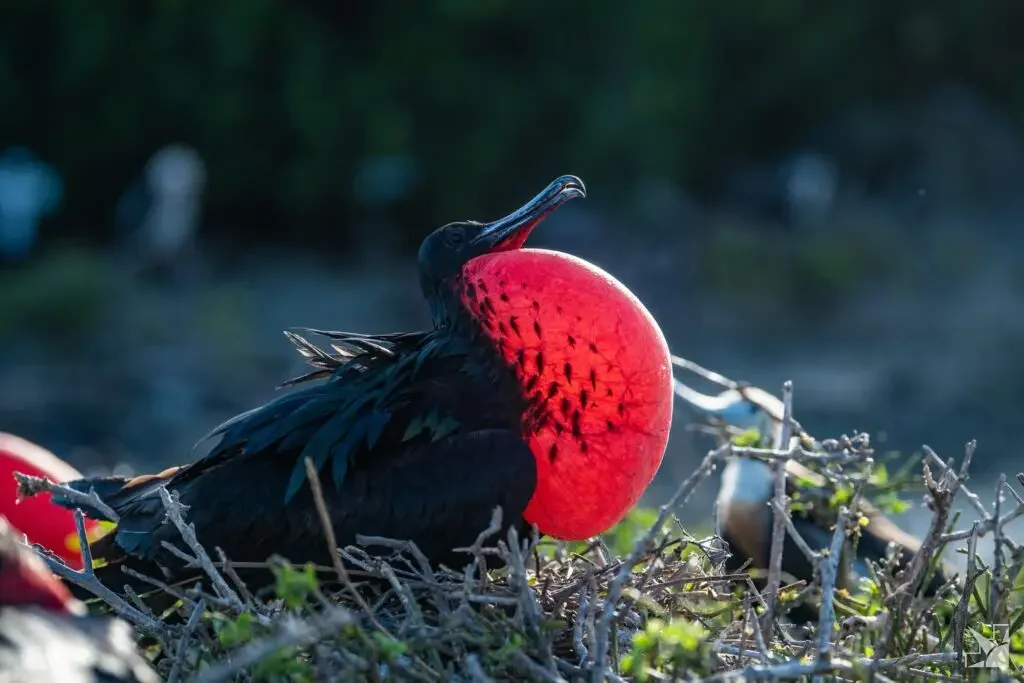
One of the Most Untouched Wildlife Ecosystems on Earth
Fernandina Island remains one of the least altered environments in the Galapagos archipelago, allowing researchers to observe ecological balance in unusually natural conditions.
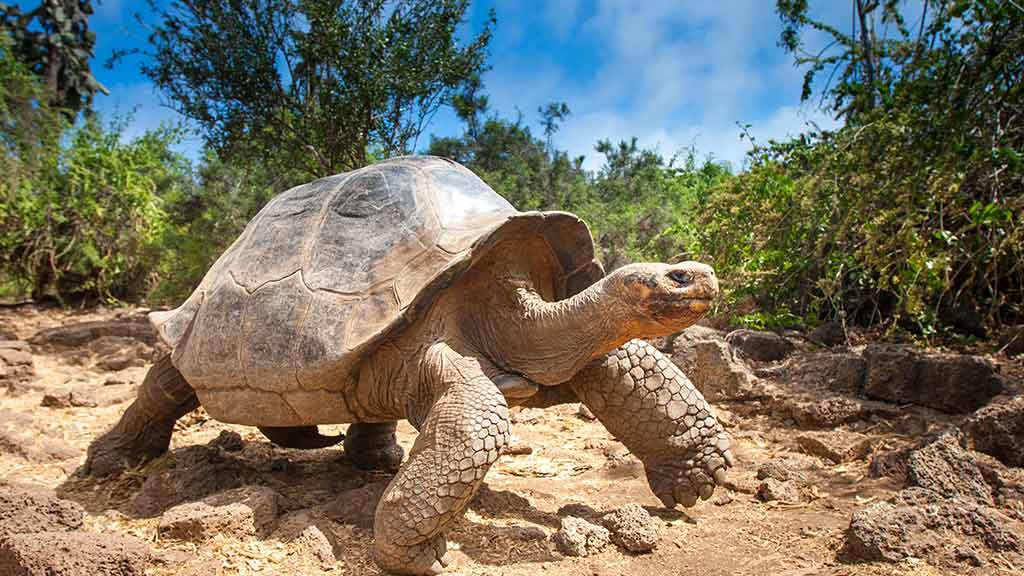
Some Galapagos tortoises survive for more than a century due to slow metabolism, environmental stability, and reduced ecological threats.
Why Galapagos Penguins Are Endangered
Galapagos penguins depend heavily on stable marine conditions and fish availability sustained by cold Pacific currents surrounding the islands.
Climate shifts linked to El Niño events can disrupt feeding systems, affecting breeding cycles and long-term survival rates.
How Isolation Changed Evolution
Because the Galapagos developed far from continental ecosystems, species evolved independently across isolated volcanic islands shaped by ocean currents and environmental pressure.
That separation created endemic wildlife found nowhere else on Earth, transforming the archipelago into one of the most important biodiversity systems in the world.
Why Wildlife Adapted Differently Here
The Galapagos did not simply create unusual species. The islands created environmental pressure so unique that animals evolved survival systems impossible to replicate elsewhere in the world.
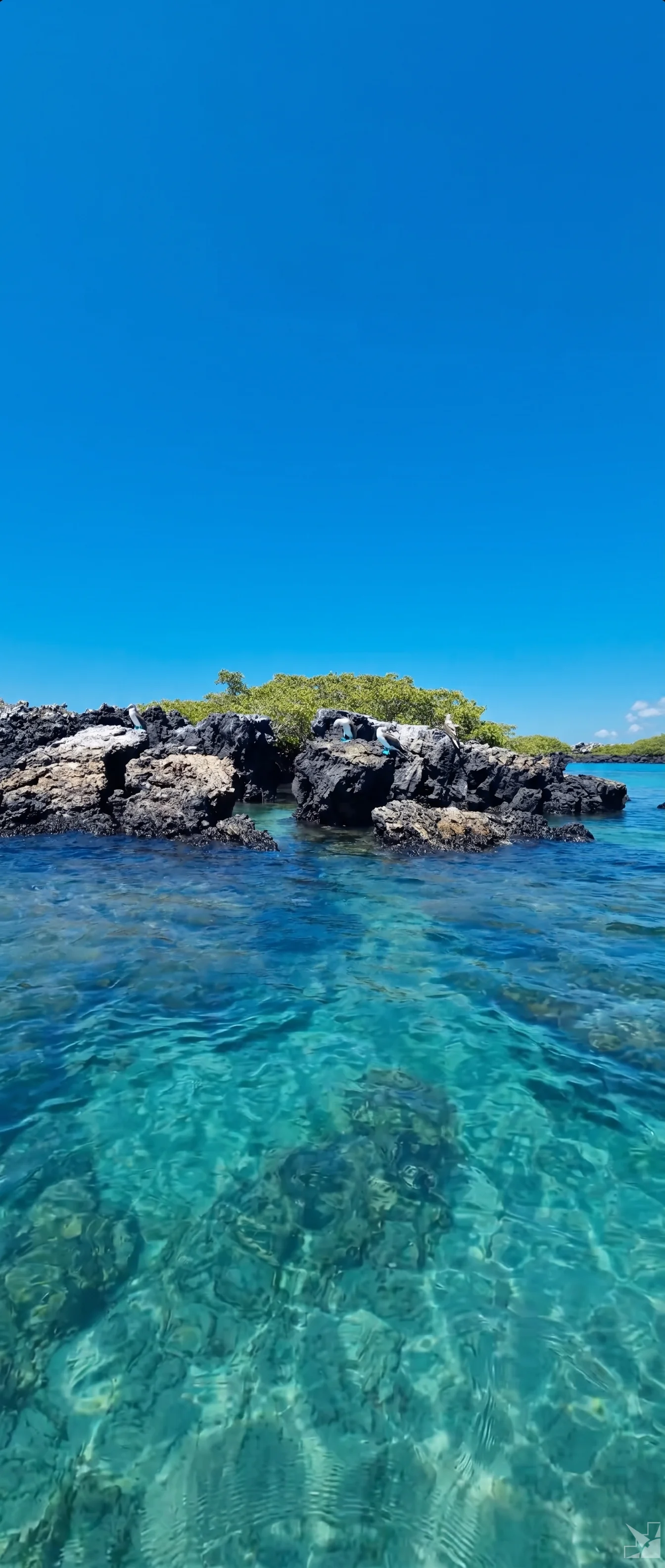
Cold Waters Near the Equator Changed Everything
Most penguin species survive in cold southern climates. Yet Galapagos penguins adapted near the equator because deep Pacific currents cool the surrounding marine ecosystem.
Those same currents also sustain fish populations that support sea lions, marine iguanas, seabirds, and complex food chains throughout the archipelago.
Many Galapagos species evolved independently and exist nowhere else on Earth.
Young volcanic terrain forced wildlife to adapt to unstable environmental conditions.
Distance from continental ecosystems reduced competition and altered evolutionary pathways.
Why Galapagos Tortoises Became Giants
Scientists believe island gigantism played a major role in tortoise evolution. Limited predators and isolated conditions allowed tortoises to grow larger while conserving energy efficiently.
Their slow biological systems eventually contributed to exceptional longevity rarely observed in other reptile populations worldwide.
Marine Iguanas Exist Only Here
Marine iguanas became the only lizards on Earth capable of feeding in ocean environments, adapting specifically to the Galapagos coastal ecosystem.
The Galapagos Still Reveal How Life Adapts
The Galapagos Islands continue influencing global scientific research because they allow researchers to observe ecological adaptation with extraordinary clarity. From giant tortoise longevity to marine survival systems and endemic reptile evolution, these islands remain one of the most biologically unique ecosystems on Earth.
For travelers, the experience goes far beyond sightseeing. Exploring the Galapagos means entering one of the few environments where wildlife evolution, volcanic geography, and ocean ecosystems still interact almost exactly as they did centuries ago.
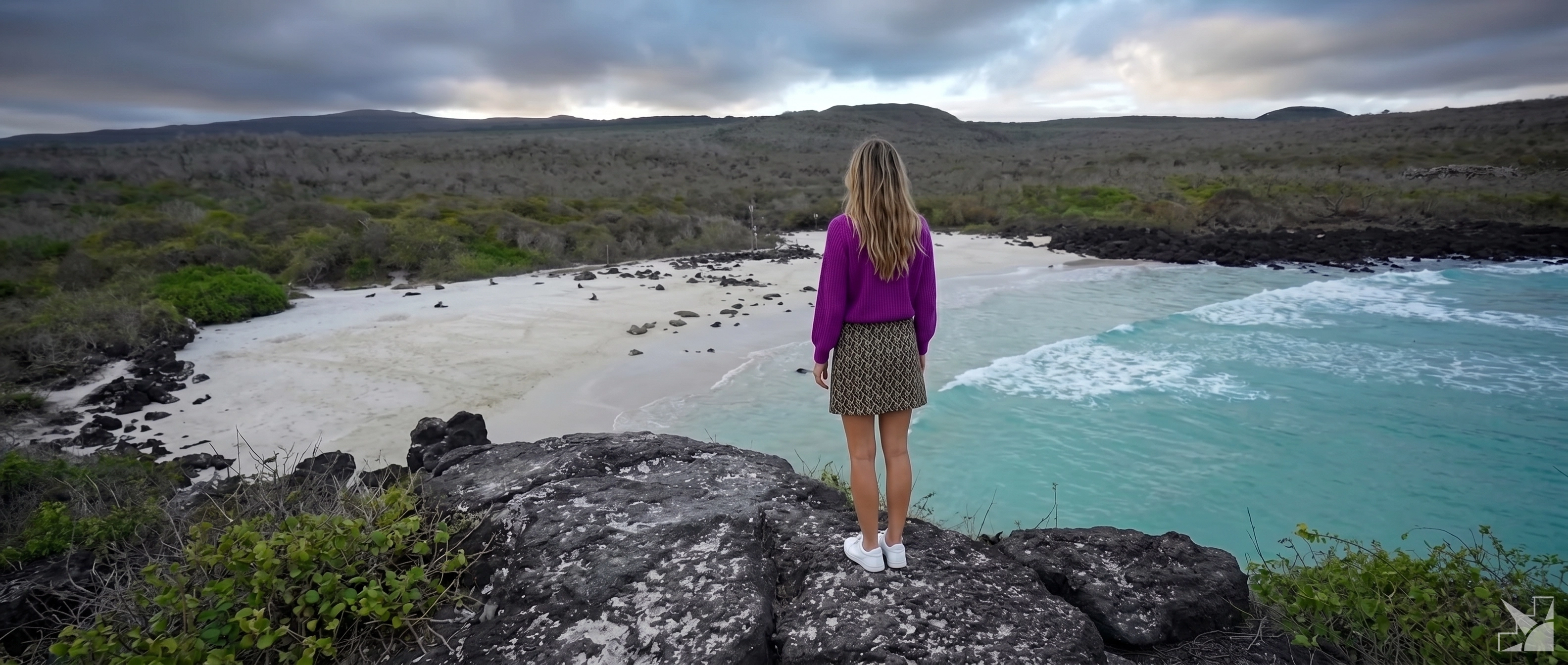
Explore Wildlife Across the Galapagos Islands
Luxury expedition routes allow travelers to experience volcanic islands, marine ecosystems, giant tortoise reserves, and remote wildlife habitats throughout the archipelago.
Combine the Galapagos with Machu Picchu
Many travelers combine Ecuador’s volcanic islands with Peru’s archaeological wonders through multi-country luxury itineraries across South America.