Discovery • Darwin • Endemism
Why the Galapagos Still Inspire the World of Science and Exploration
Far beyond mainland Ecuador, a remote volcanic archipelago changed how the world understands wildlife, adaptation, and biodiversity.
The Galapagos remains one of the few destinations where scientific legacy and extraordinary travel experiences meet in the same landscape.
Country
Ecuador
The islands belong to Ecuador and lie in the Pacific Ocean.
Legacy
Darwin
His 1835 visit helped inspire ideas later linked to modern biology.
Wildlife
Endemism
Many species developed here and exist nowhere else on Earth.
Travel
Expedition
Luxury cruises and land journeys reveal the archipelago in depth.
Why It Matters
A Place Where Nature Still Leads the Story
Unlike destinations built around cities or monuments, the Galapagos is defined by ecological presence. Animals move freely, coastlines remain dramatic, and each island reveals different environmental conditions.
This is why explorers, photographers, conservationists, and travelers continue to see the archipelago as one of the most meaningful journeys in the world.
Climate Pressure
Dry seasons and changing rainfall patterns shape survival strategies.
Living Wonder
Every visit feels connected to discovery and scientific curiosity.
Origins • Science • Transformation
When Darwin Arrived, the World Changed
In 1835, Charles Darwin visited the Galapagos during the voyage of the HMS Beagle. What he observed here later influenced one of the most important scientific books ever written: On the Origin of Species.
1835
Darwin’s Visit
He explored several islands, collecting notes on birds, reptiles, plants, and geography.
1859
Historic Book
Years later, those observations helped shape ideas published in On the Origin of Species.
Why the Galapagos Was Different
Each island presented slightly different conditions: food sources, terrain, water availability, and climate stress.
That made the archipelago an extraordinary place to compare how life changes under different pressures.
Natural Laboratory
Isolation between islands allowed wildlife populations to develop in distinct ways over time.
Endemism
Many animals and plants evolved here and are native only to these islands.
Drought Pressure
Dry periods and scarce water resources continue shaping survival patterns.
Modern Exploration
Today travelers experience the same dramatic landscapes that once inspired global curiosity.
Experience • Legacy • Wonder
Why the Galapagos Still Captivate the Modern World
Few destinations unite wildlife, scientific legacy, and remote beauty at this level. The Galapagos remains timeless because every visit feels connected to discovery.

More Than a Destination
Travelers come for wildlife encounters, volcanic scenery, and legendary history—but leave with a deeper appreciation for how rare untouched environments have become.
A National Geographic Reality
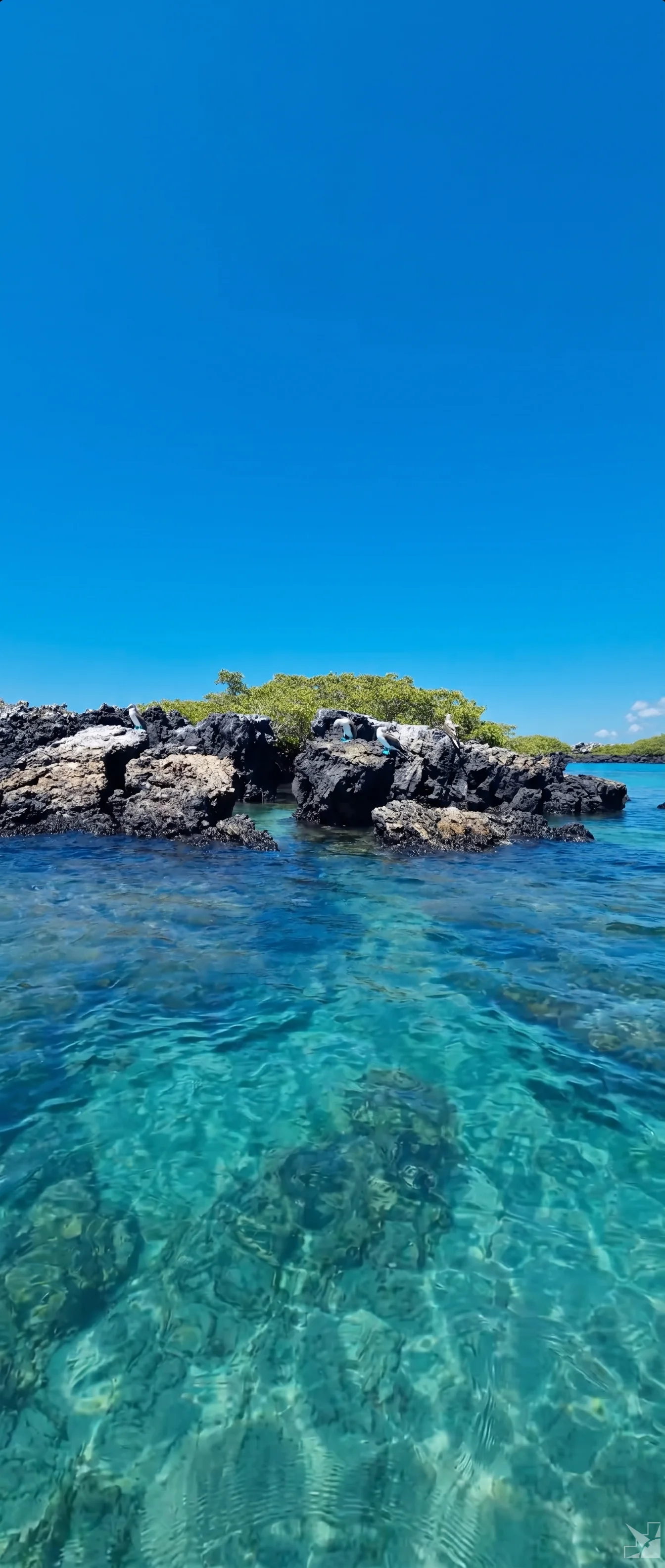
Blue-footed boobies, marine iguanas, giant tortoises, sea lions, lava fields, and dramatic coastlines create scenes many people associate only with documentary photography.
Why It Endures
Because the islands still feel authentic, remote, and biologically alive—qualities increasingly rare in global travel.

Custom Expedition Planning
See the Islands That Continue to Inspire the World
Discover wildlife found nowhere else, historic landscapes linked to Darwin, and one of the most remarkable journeys in Ecuador through a tailor-made Galapagos experience.