
Why Food Lovers
Choose Peru
Peru has become one of the world's most exciting culinary destinations. Travelers no longer visit only for Machu Picchu or the Sacred Valley. Increasingly, they come to discover authentic flavors, learn traditional cooking techniques, explore local markets, and understand why Peruvian cuisine is considered one of the most diverse and celebrated food cultures on Earth.
The Rise Of Culinary Tourism In Peru
Modern travelers increasingly seek experiences rather than simply destinations. Culinary tourism allows visitors to connect directly with local culture through ingredients, recipes, traditions, and family stories that have been passed down through generations. Peru offers one of the richest environments in the world for this type of immersive travel experience.
Extraordinary Ingredients
Peru is home to thousands of native potato varieties, ancient grains like quinoa and kiwicha, unique chili peppers, fresh seafood from the Pacific Ocean, and countless ingredients that cannot be found elsewhere.
Regional Diversity
Every region offers distinct culinary traditions. Lima is famous for ceviche, Arequipa for rocoto relleno, and Cusco for Andean cooking traditions rooted in centuries of history.
Hands-On Experiences
Learning directly from local chefs provides travelers with a deeper understanding of Peruvian culture while creating memories that last long after the vacation ends.
Food Is One Of The Best Ways To Understand Peru
A cooking class reveals much more than recipes. It introduces travelers to local markets, agricultural traditions, family customs, regional history, and the ingredients that shaped Peru's cultural identity.
Programs that combine Lima, Arequipa, Cusco, the Sacred Valley, and Machu Picchu offer a complete perspective on Peru's culinary and historical richness.
Experience Peru Through Its Food
One of the most comprehensive culinary experiences available is the Peruvian Cooking Classes in 3 Cities – 12 Days program. This journey combines cooking classes in Lima, Arequipa, and Cusco with visits to the Sacred Valley and Machu Picchu, creating an ideal balance between gastronomy, culture, and history.
Three Cities.
Three Completely Different Flavors.
One reason Peru has become a global culinary destination is its extraordinary regional diversity. Travelers quickly discover that each city offers unique ingredients, recipes, cooking methods, and food traditions shaped by geography, climate, and history.
Lima
Often called the gastronomic capital of South America, Lima is famous for ceviche, seafood specialties, Nikkei cuisine, and innovative chefs who have helped place Peru on the global culinary map.
Arequipa
Known for traditional picanterías and deeply rooted culinary customs, Arequipa offers iconic dishes such as rocoto relleno, chupe de camarones, and adobo arequipeño.
Cusco
Cusco's cuisine reflects centuries of Andean traditions. Ancient grains, native potatoes, medicinal herbs, and traditional cooking techniques remain central to local gastronomy.
Why Cooking Classes Create Better Memories
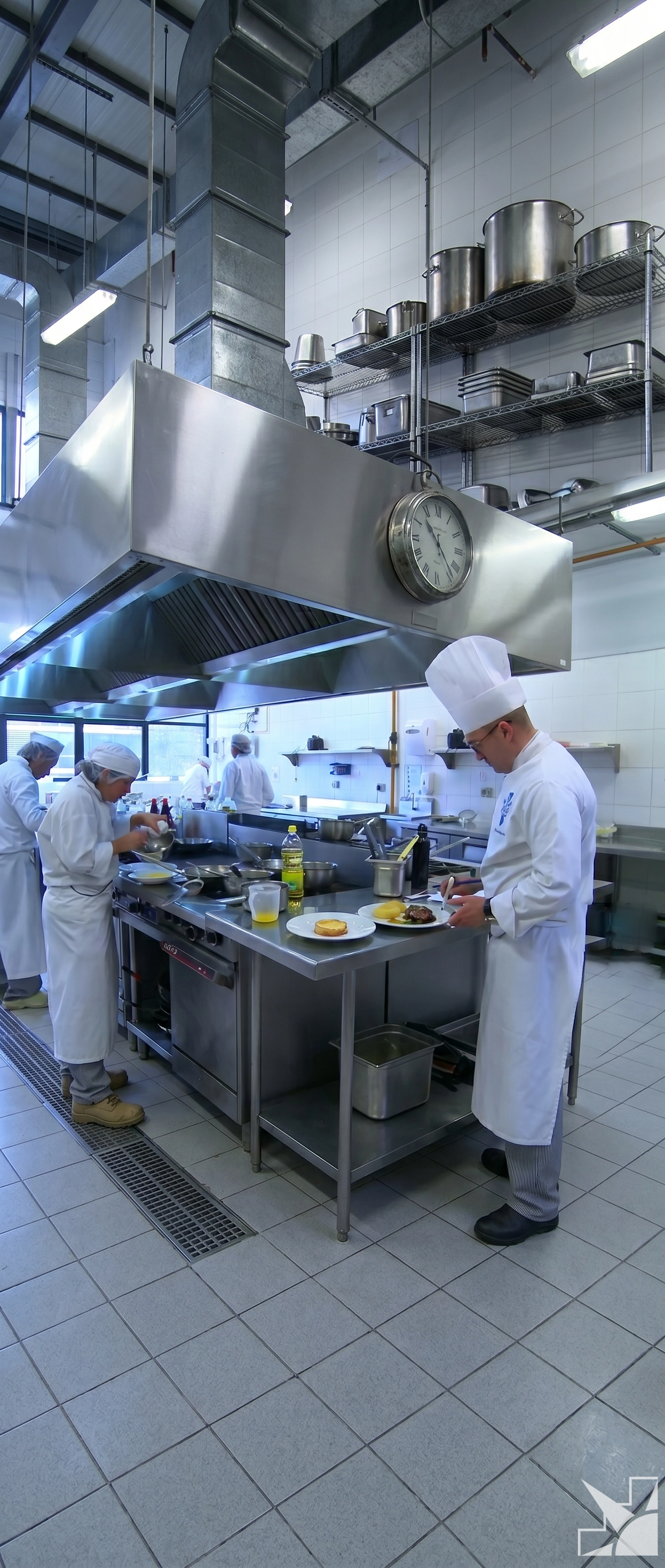
Most travelers can remember what they saw during a vacation. Far fewer can say they learned a traditional recipe directly from local experts, visited neighborhood markets, or prepared authentic dishes using ingredients grown nearby.
Cooking classes transform travelers from observers into participants. Instead of simply tasting Peru, visitors become part of the culinary story itself.
This deeper level of engagement explains why culinary tourism continues growing among travelers seeking meaningful and immersive experiences.
Combine Food, History & World Wonders
Travelers interested in Peru's culinary traditions often extend their journey to include the country's most iconic historical destinations. The combination of gastronomy, culture, and archaeology creates one of South America's most complete travel experiences.
Experiences such as the Peruvian Cooking Classes in 3 Cities program allow travelers to discover Lima, Arequipa, Cusco, the Sacred Valley, and Machu Picchu through the lens of food and local culture. For those seeking longer journeys, itineraries such as Peru & Galapagos luxury adventures offer an exceptional combination of cuisine, wildlife, and history.
What Dishes Should Every Visitor Try?
Peru's culinary reputation was not built around a single dish. The country's extraordinary gastronomic diversity means travelers can experience completely different flavors as they move between regions. From the Pacific Coast to the Andes, every destination adds another chapter to Peru's culinary story.
Ceviche
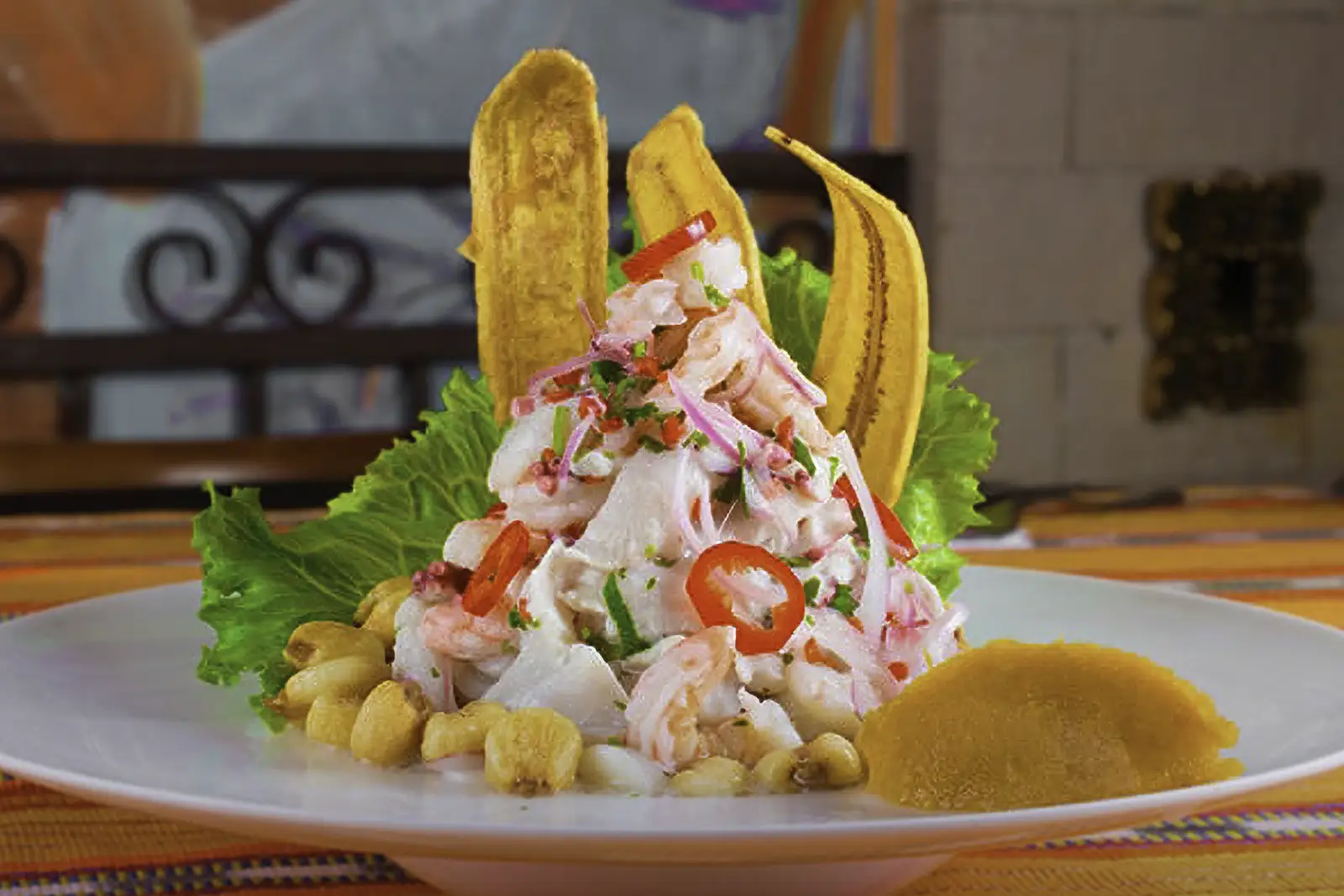
Peru's most internationally recognized dish, featuring fresh fish marinated with lime, onions, and local chili peppers.
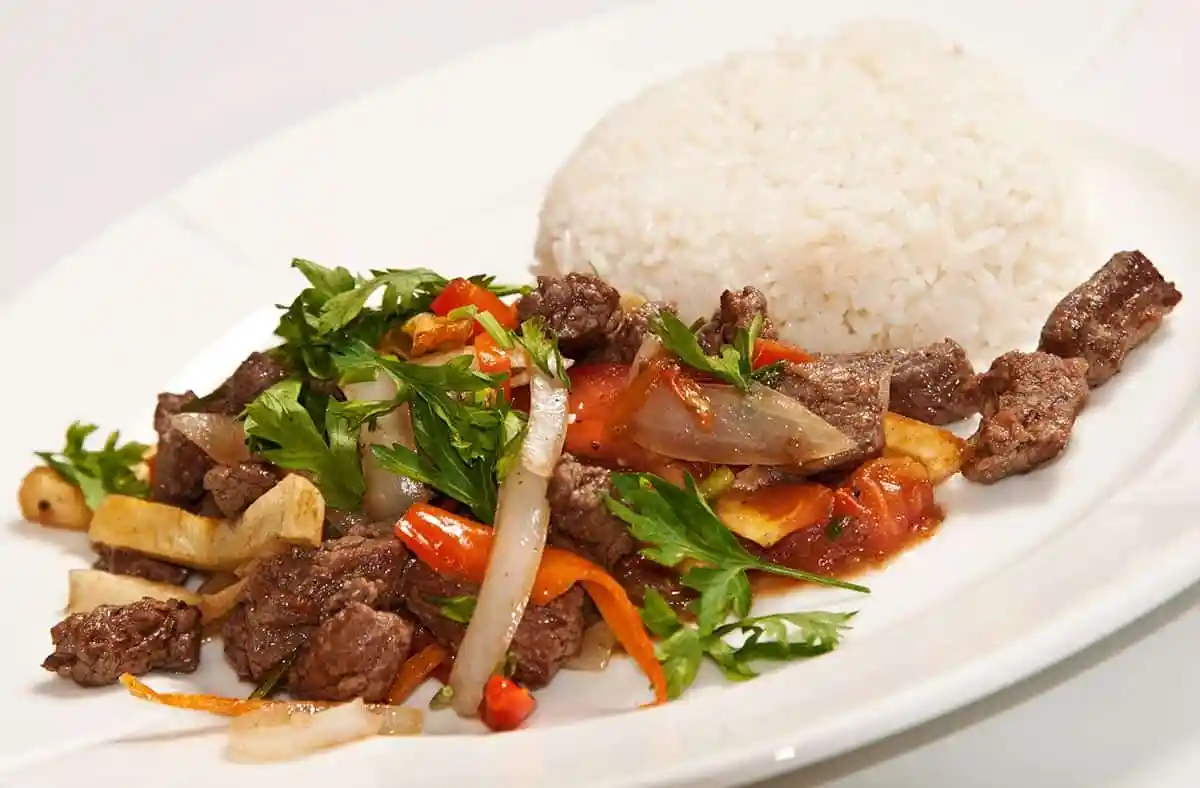
Lomo Saltado
A delicious fusion of Peruvian and Asian influences that reflects centuries of cultural exchange and culinary innovation.
Rocoto Relleno
A signature specialty of Arequipa that showcases the region's bold flavors and culinary identity.
Papa a la Huancaína
One of Peru's most beloved appetizers, highlighting the country's incredible diversity of native potatoes.
Peru Culinary Travel FAQ
Is Peru a good destination for food lovers?
Absolutely. Peru is widely recognized as one of the world's leading culinary destinations thanks to its regional diversity, local ingredients, and internationally acclaimed cuisine.
Which city has the best food in Peru?
Lima receives most international attention, but Arequipa and Cusco offer equally fascinating culinary traditions that many travelers consider highlights of their journey.
Are cooking classes suitable for beginners?
Yes. Most Peruvian cooking experiences are designed for travelers of all skill levels and focus on learning, participation, and cultural immersion rather than technical expertise.

Learn, Cook, Taste, Explore
The most rewarding food journeys go far beyond restaurant reservations. They include local markets, authentic recipes, cultural traditions, and direct interaction with the people who keep Peru's culinary heritage alive.
The Peruvian Cooking Classes in 3 Cities – 12 Days experience combines cooking classes in Lima, Arequipa, and Cusco with visits to the Sacred Valley and Machu Picchu, creating one of the most complete culinary vacations available in South America.