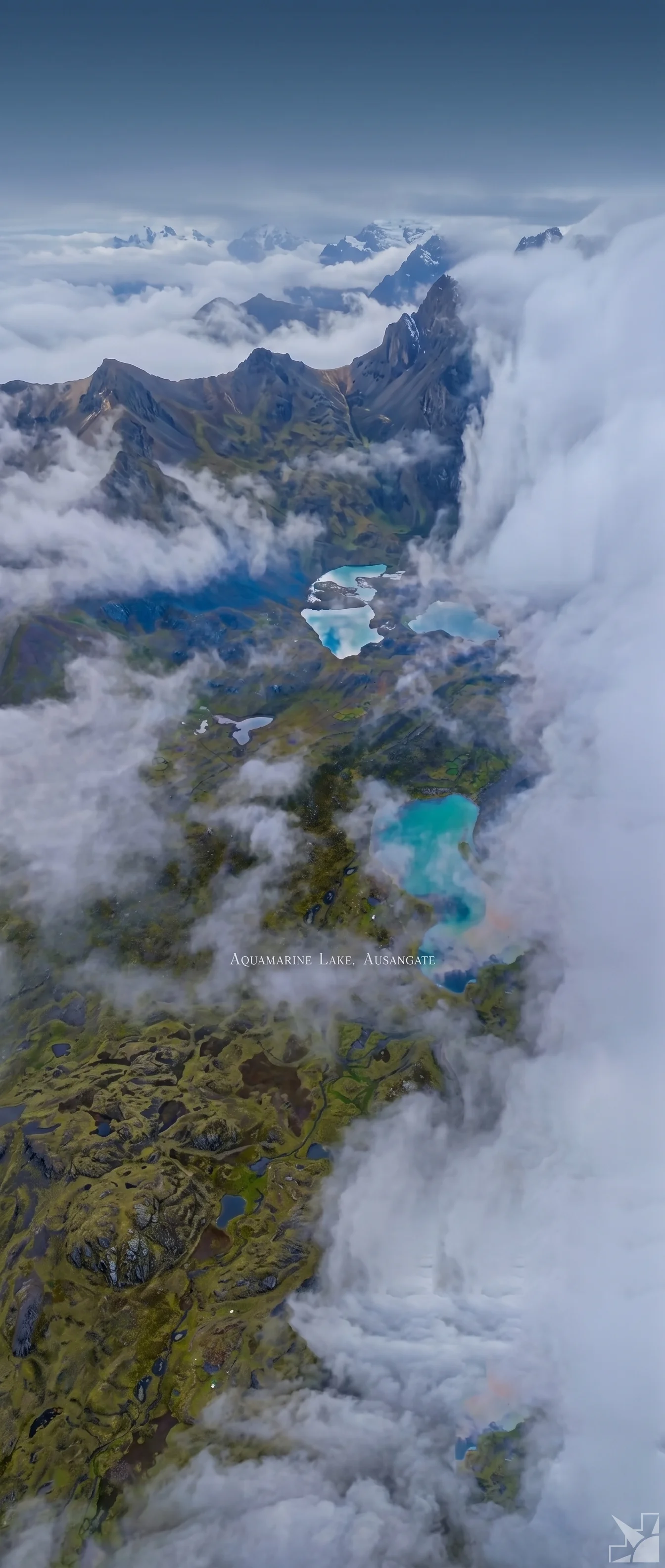
What Makes Peru
Different From
Other South American
Destinations?
South America is filled with extraordinary destinations, from Patagonia's glaciers to the Amazon rainforest and vibrant coastal cities. Yet Peru consistently stands apart as one of the continent's most complete travel experiences. The country combines ancient history, living culture, diverse landscapes, world-renowned cuisine, and remarkable accessibility in a way few destinations can match.
Many travelers discover that Peru delivers multiple bucket-list experiences without requiring travel across several countries.
History, culture, gastronomy, nature, and adventure all converge in Peru.
Every region presents new landscapes, traditions, and experiences worth exploring.
More Than A
Single Attraction
Many destinations become famous because of one landmark or one particular experience. Peru certainly has globally recognized attractions, but its appeal extends far beyond a single destination. Travelers arrive for Machu Picchu and quickly discover a country filled with diverse cultures, regional cuisines, colonial cities, dramatic landscapes, and centuries of living history.
This diversity creates a richer and more balanced travel experience. Visitors can explore archaeological wonders in the morning, enjoy world-class cuisine in the afternoon, and engage with local traditions that continue to thrive throughout the country.
Rather than offering one defining attraction, Peru provides a collection of experiences that complement one another and create journeys that feel both varied and deeply rewarding.
Where Ancient
Traditions And
Modern Life Meet
One of Peru's greatest strengths is the continuity of its cultural heritage. Across the country, travelers encounter traditions that have survived for centuries while remaining part of everyday life. Festivals, artisan markets, traditional farming techniques, indigenous languages, and local gastronomy continue to shape communities throughout the Andes and beyond.
Unlike destinations where historical culture exists primarily inside museums, Peru allows visitors to experience living traditions firsthand. Local celebrations, family-run businesses, and regional customs create meaningful interactions that often become the most memorable moments of a journey.
This unique connection between past and present helps explain why so many travelers describe Peru as a destination that feels authentic, immersive, and deeply rewarding.
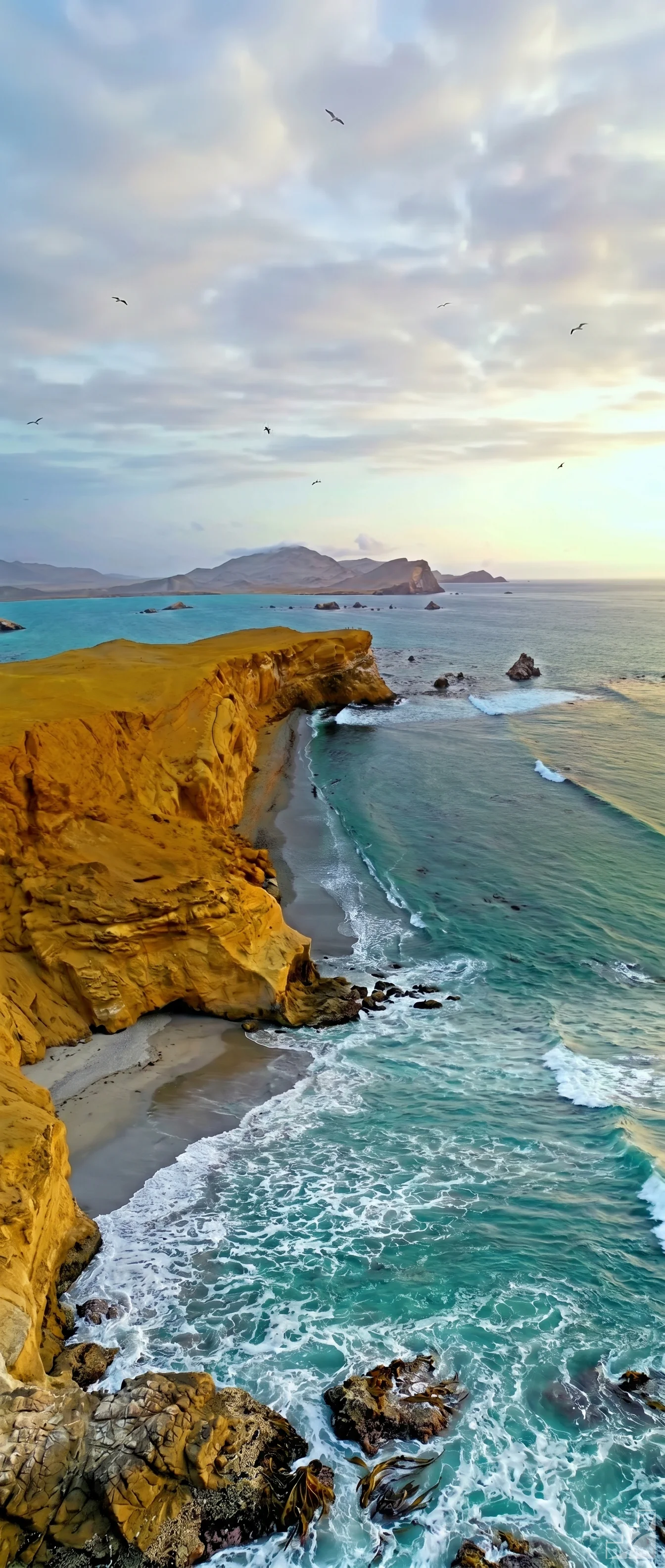
Peru's cultural foundations were shaped by civilizations that flourished long before European contact.
The Coast, Andes, and Amazon each offer completely different travel experiences.
Every region introduces new traditions, foods, architecture, and local customs.
Why Peru Continues
To Capture The World's
Attention
Few destinations manage to attract travelers interested in history, adventure, luxury, gastronomy, wildlife, and cultural immersion simultaneously. Peru succeeds because it offers all of these experiences within a relatively accessible travel network.
Whether visitors arrive seeking iconic landmarks or hidden cultural experiences, Peru consistently exceeds expectations by offering much more than they initially imagined.
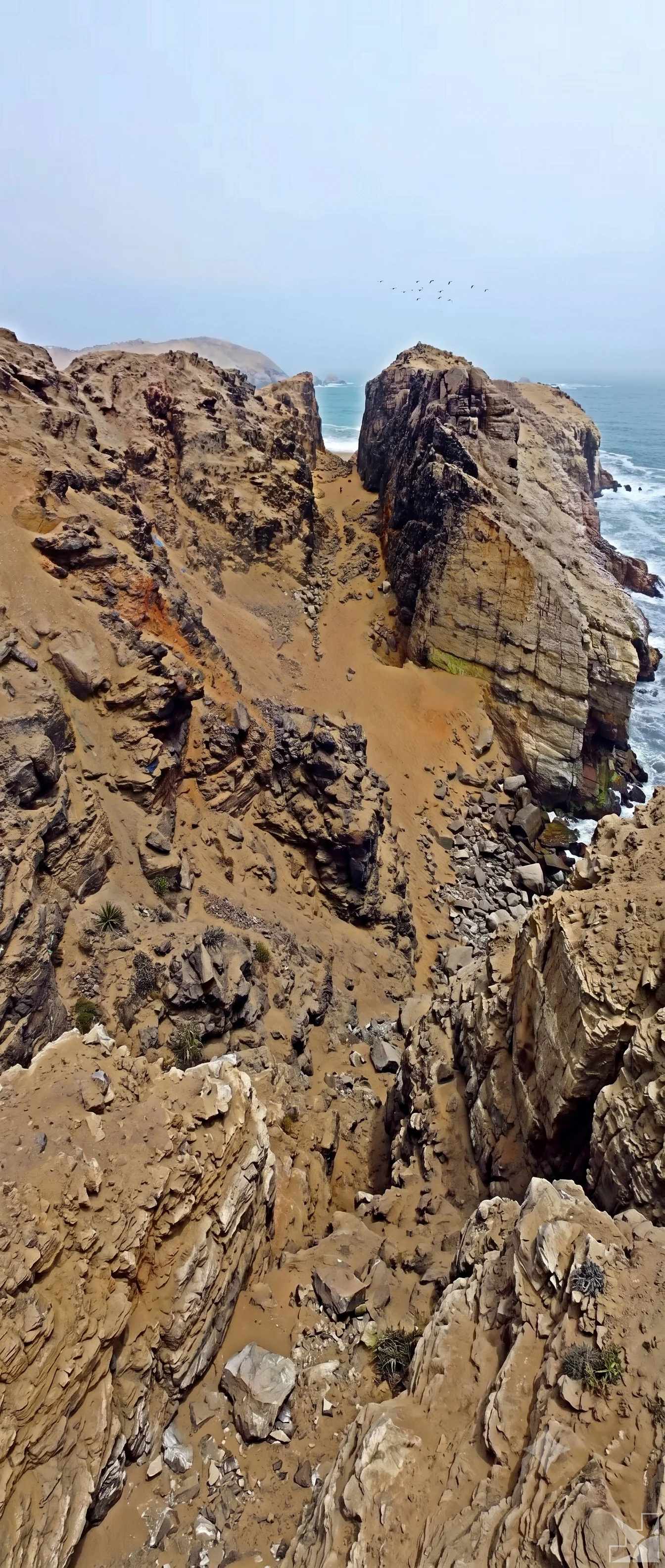
Why Peru
Continues To
Outperform
Expectations
Many destinations become known for one iconic attraction. Peru is different because visitors often arrive expecting a single highlight and leave talking about dozens of experiences that exceeded expectations.
Travelers may initially focus on Machu Picchu, but quickly discover extraordinary cuisine, vibrant local traditions, colonial cities, breathtaking mountain scenery, and some of the most fascinating cultural landscapes in the Americas.
This diversity creates a deeper and more rewarding journey, allowing visitors to experience multiple dimensions of Peru within a single trip.
More Than
A Destination
Peru stands apart because it combines extraordinary diversity with genuine authenticity. Whether travelers seek culture, history, gastronomy, luxury experiences, or outdoor adventure, Peru consistently offers more depth and variety than most visitors anticipate before arriving.