The Ultimate
Guide To Peru's
Food Regions
Peru contains one of the most diverse culinary landscapes on Earth. From Pacific seafood traditions to ancient Andean agriculture and Amazonian ingredients, every region contributes unique flavors that have transformed Peru into a global gastronomic destination.
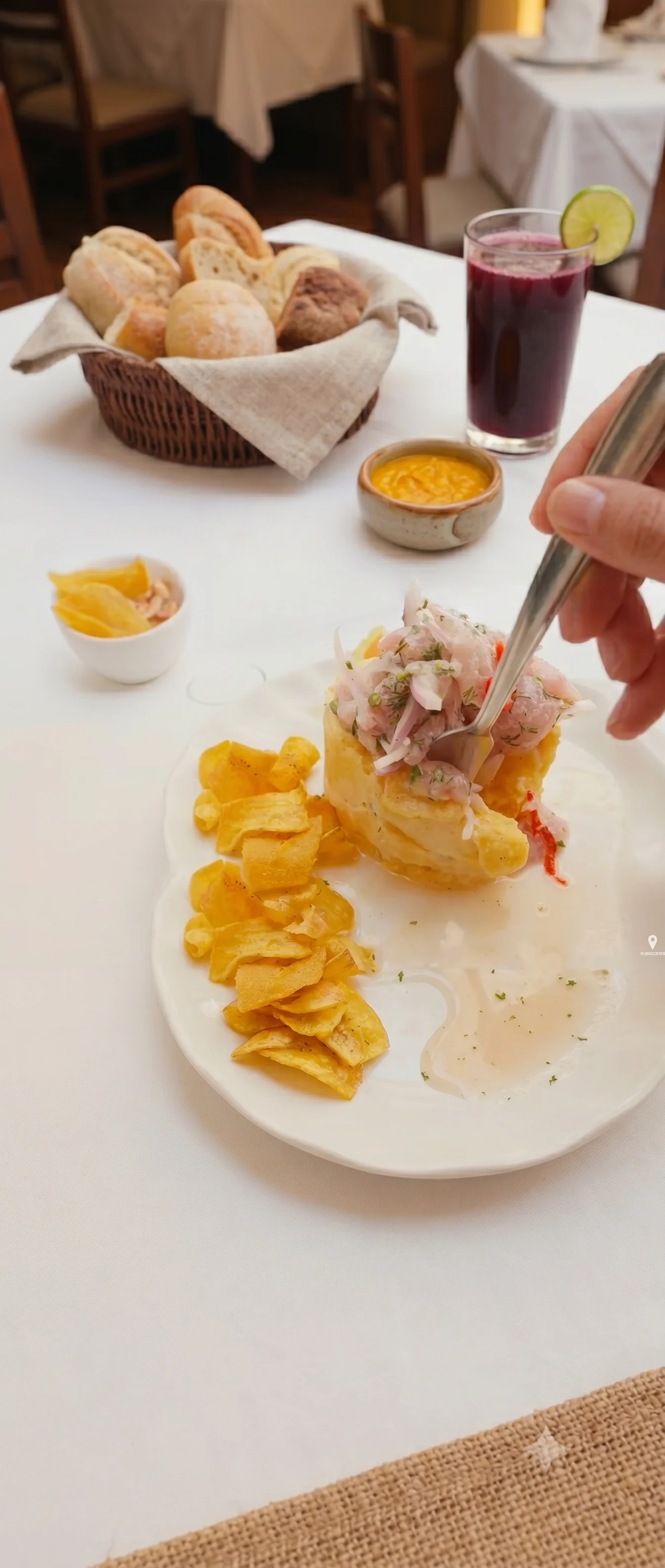
Why Peru's Geography
Changes Everything
Most countries develop around a single dominant culinary tradition. Peru evolved differently. Dramatic changes in altitude, climate, and ecosystems created entirely different food cultures across the country.
Within a single trip, travelers can move from seafood markets on the Pacific coast to high-altitude farming communities in the Andes and eventually into the tropical Amazon Basin.
The Pacific Coast
The culinary story of Peru begins along the Pacific Ocean. Rich fishing waters, fertile valleys, and centuries of cultural exchange helped create some of the country's most famous dishes.
Today, the coast remains the birthplace of iconic recipes, innovative restaurants, and many of the culinary experiences that first attract international visitors to Peru.
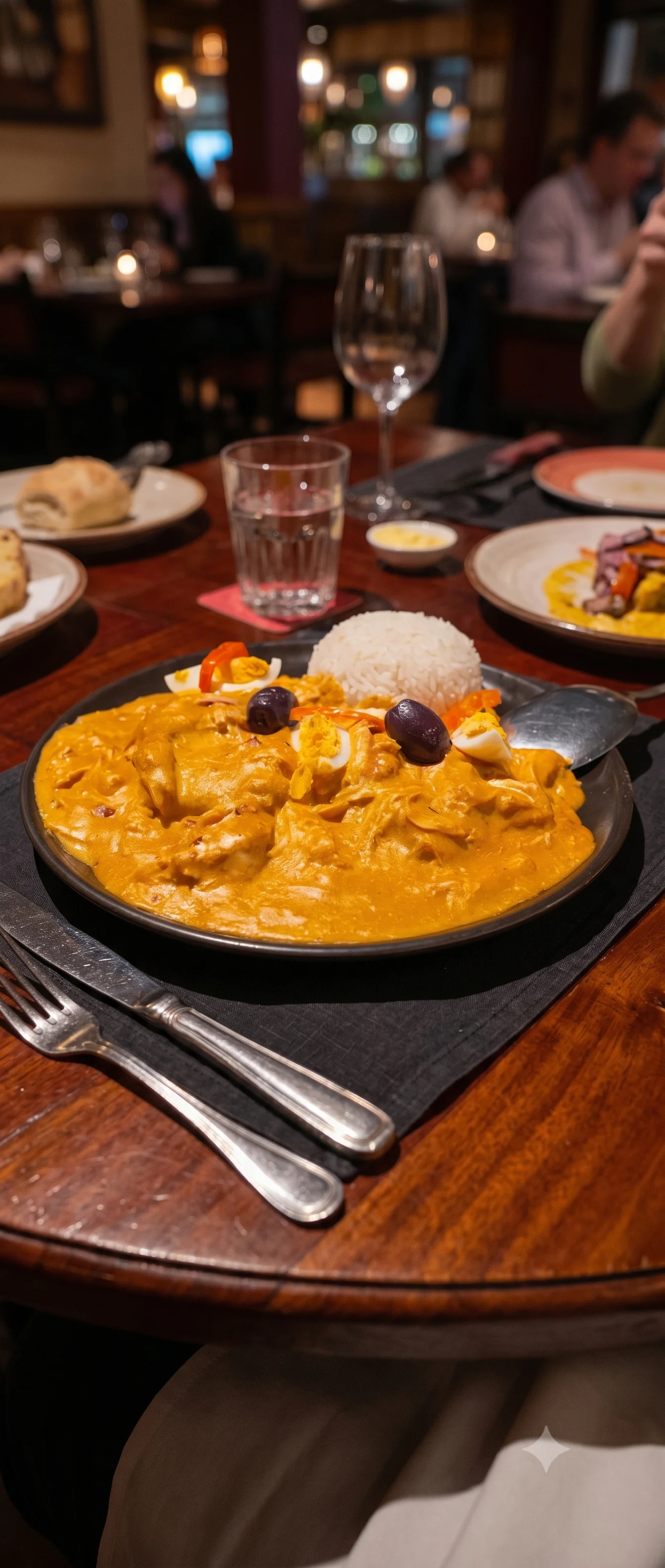
This diversity explains why Peru continues attracting food travelers, chefs, and culinary enthusiasts from around the world. Each region offers ingredients, flavors, and traditions that cannot be fully understood through a single dish or restaurant.

The Andes:
The Ancient Heart
Of Peruvian Cuisine
Long before Peru became a modern nation, Andean civilizations were cultivating crops that would eventually feed millions around the world. The Andes remain one of the most important agricultural regions on Earth.
Thousands of potato varieties, countless corn strains, quinoa, kiwicha, and traditional herbs continue to shape daily life across the mountains. These ingredients form the foundation of many dishes travelers encounter throughout Peru.
Cities such as Cusco preserve culinary traditions that connect modern kitchens with agricultural practices developed centuries ago.
Why Food Travelers Love Cusco
Cusco offers more than archaeological wonders. The city provides direct access to local markets, mountain communities, traditional ingredients, and culinary traditions that remain deeply connected to Andean culture.
The Amazon:
Peru's Most
Unexpected Flavors
Many travelers are surprised to discover that nearly two-thirds of Peru is covered by Amazon rainforest. This immense region contributes ingredients rarely seen elsewhere in the world.
Exotic fruits, cacao varieties, freshwater fish, medicinal plants, and unique spices continue influencing contemporary Peruvian gastronomy.
For chefs, the Amazon represents one of the country's most exciting frontiers of culinary innovation.

One Journey,
Three Culinary Worlds
Few travel experiences allow visitors to explore Peru's most important food regions in a single itinerary. Moving between Lima, Arequipa, and Cusco reveals how geography influences ingredients, traditions, and culinary identity.
The Peruvian Cooking Classes in 3 Cities – 12 Days experience was specifically designed to connect travelers with the culinary traditions of Peru's most influential regions through market visits, local chefs, cooking classes, and cultural exploration.
A Journey Through
Three Extraordinary
Food Regions
The true magic of Peruvian cuisine is not found in a single restaurant or destination. It emerges from the connection between ecosystems, cultures, and ingredients that have evolved over thousands of years. The Pacific Coast, the Andes, and the Amazon each contribute something entirely unique to the country's gastronomic identity.
Travelers who move between these regions quickly realize that Peru is not one culinary destination—it is several culinary worlds existing within a single country.
Frequently Asked Questions
What is the most famous food region in Peru?
The Pacific Coast, particularly Lima, is internationally famous for ceviche and contemporary Peruvian gastronomy. However, the Andes and Amazon contribute equally important ingredients and traditions.
Why is Peru considered one of the world's top food destinations?
Peru combines extraordinary biodiversity, ancient agricultural traditions, regional culinary diversity, and world-class gastronomy that continues to attract travelers from around the globe.
Can visitors experience all three culinary regions during one trip?
Yes. Many travelers explore Lima, Arequipa, Cusco, and other destinations to discover the remarkable diversity of Peruvian cuisine.
Discover Peru's
Food Regions
Firsthand
Reading about Peru's culinary diversity is inspiring. Experiencing it in person offers a deeper understanding of how ingredients, geography, and traditions shape one of the world's most celebrated cuisines.
The Peruvian Cooking Classes in 3 Cities – 12 Days journey combines Lima, Arequipa, Cusco, local markets, hands-on culinary experiences, the Sacred Valley, and Machu Picchu into one unforgettable gastronomic adventure.