There is a shifting tide in the world of luxury travel. For decades, the default itinerary for the wine-loving, architecture-obsessed American traveler was predictable: a flight to Florence or a drive to Napa Valley. But as 2026 unfolds, a fatigue has set in. Napa has become corporate and prohibitively expensive; Tuscany, while timeless, is saturated with summer crowds. The discerning traveler is looking for a new frontier—a place that offers the sophisticated viticulture of California, the baroque architectural drama of Spain, and the climatic perfection of the Mediterranean, all without the jet lag.
Welcome to the Mexican Bajío. Specifically, the golden corridor connecting San Miguel de Allende and Guanajuato City. This is not the Mexico of beach resorts and spring breakers. This is the Mexico of Viceroys, revolutionaries, and artists. It is a high-altitude semi-desert (6,200 feet above sea level) bathed in "eternal spring" weather, where 400-year-old haciendas have been reborn as boutique hotels and where the vineyards produce award-winning nebulbiolos that are shocking sommeliers worldwide. This guide is your blueprint to the most sophisticated region in North America.
1. San Miguel de Allende: The Baroque Stage Set
| Why Condé Nast Keeps Voting It "Best Small City in the World" |
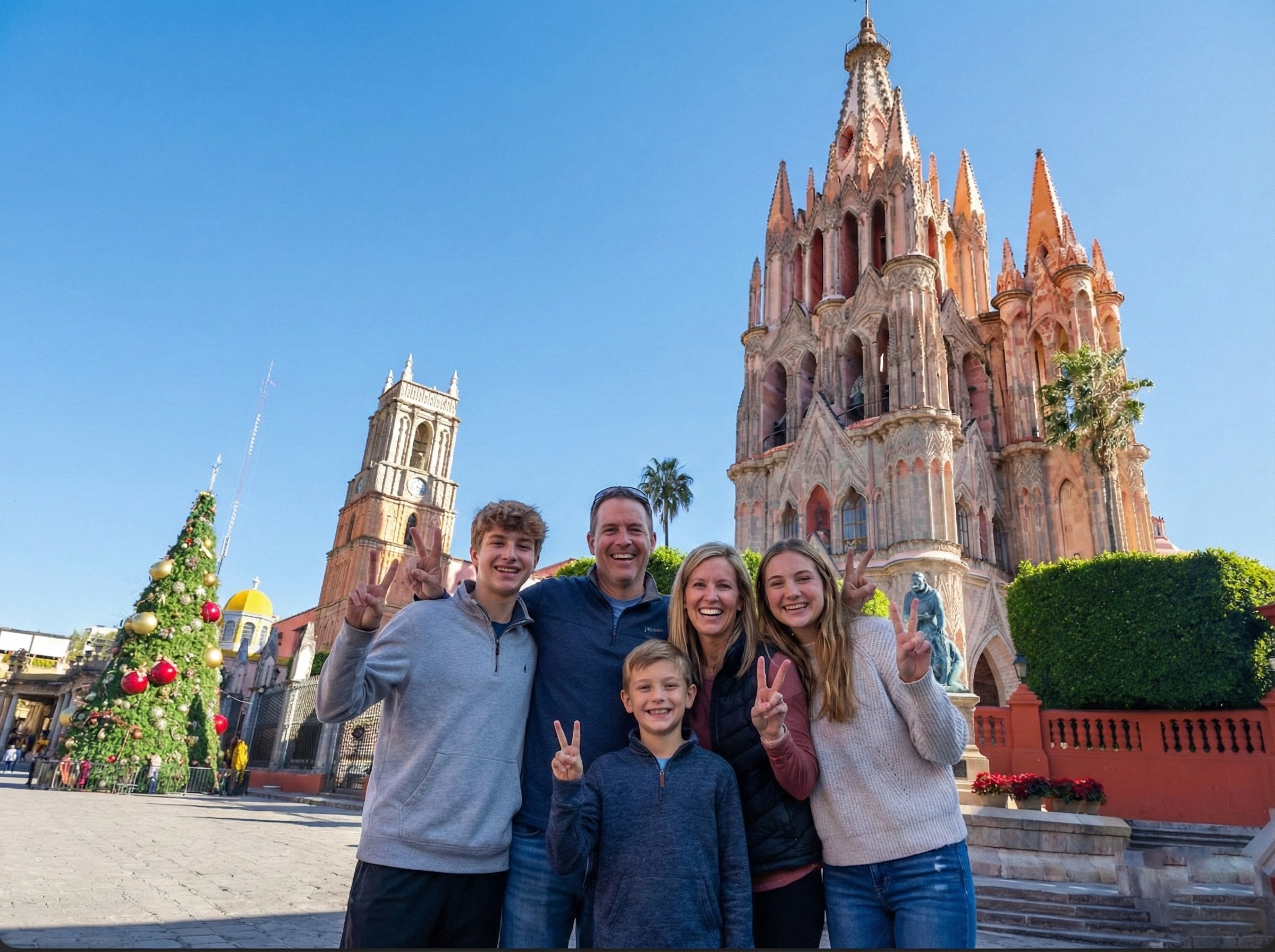
To walk through San Miguel de Allende is to walk through a movie set where the lighting is always perfect. The entire historic center is a UNESCO World Heritage site, rigidly protected to preserve its 17th and 18th-century colonial integrity. There are no neon signs, no traffic lights, and no franchise architecture. The palette is strictly regulated: warm ochres, deep terracottas, and burnt oranges that glow intensely during the "Golden Hour" (the hour before sunset). The Parroquia: A Gothic Fever DreamThe skyline is dominated by one building: La Parroquia de San Miguel Arcángel. It is unlike any other church in Mexico. In the late 19th century, an indigenous master mason named Zeferino Gutiérrez was tasked with redesigning the facade. Inspired by postcards of European Gothic cathedrals (like the Cologne Cathedral in Germany) but untrained in formal architecture, he drew diagrams in the sand with a stick. The result is a stunning, towering confection of pink limestone that looks like a wedding cake designed by Gaudí. It is the visual anchor of the city, and watching the limestone turn from pale pink to fiery rose as the sun sets is a daily ritual for locals and visitors alike. The "Intramuros" LifestyleSan Miguel is a city of secrets. The facades on the street are often modest, presenting simple wooden doors to the public. But luxury in San Miguel is internal. Behind those heavy mesquite doors lie sprawling courtyards, Moorish fountains, lush jacaranda gardens, and swimming pools that rival the best resorts in the world. This architecture of privacy makes it a haven for celebrities and high-net-worth individuals who value discretion. Walking down Calle Aldama (voted the prettiest street in the world by Architectural Digest) allows you glimpses into this hidden world of colonial grandeur. |
2. The Rooftop Republic: Dining in the Clouds
| Elevating Gastronomy (Literally) |
In most global capitals, a "rooftop bar" is a cramped afterthought. In San Miguel, it is a religion. Because the city is built into a hillside, the topography allows for tiered architecture where almost every building offers a panoramic view of the valley and the church spires. The culinary scene has moved upwards, creating a "Rooftop Republic" where the social scene unfolds under the stars. The Holy Trinity of Terraces
|
3. The Art of Shopping: Design Capital of Latin America
| Why You Should Bring an Empty Suitcase |
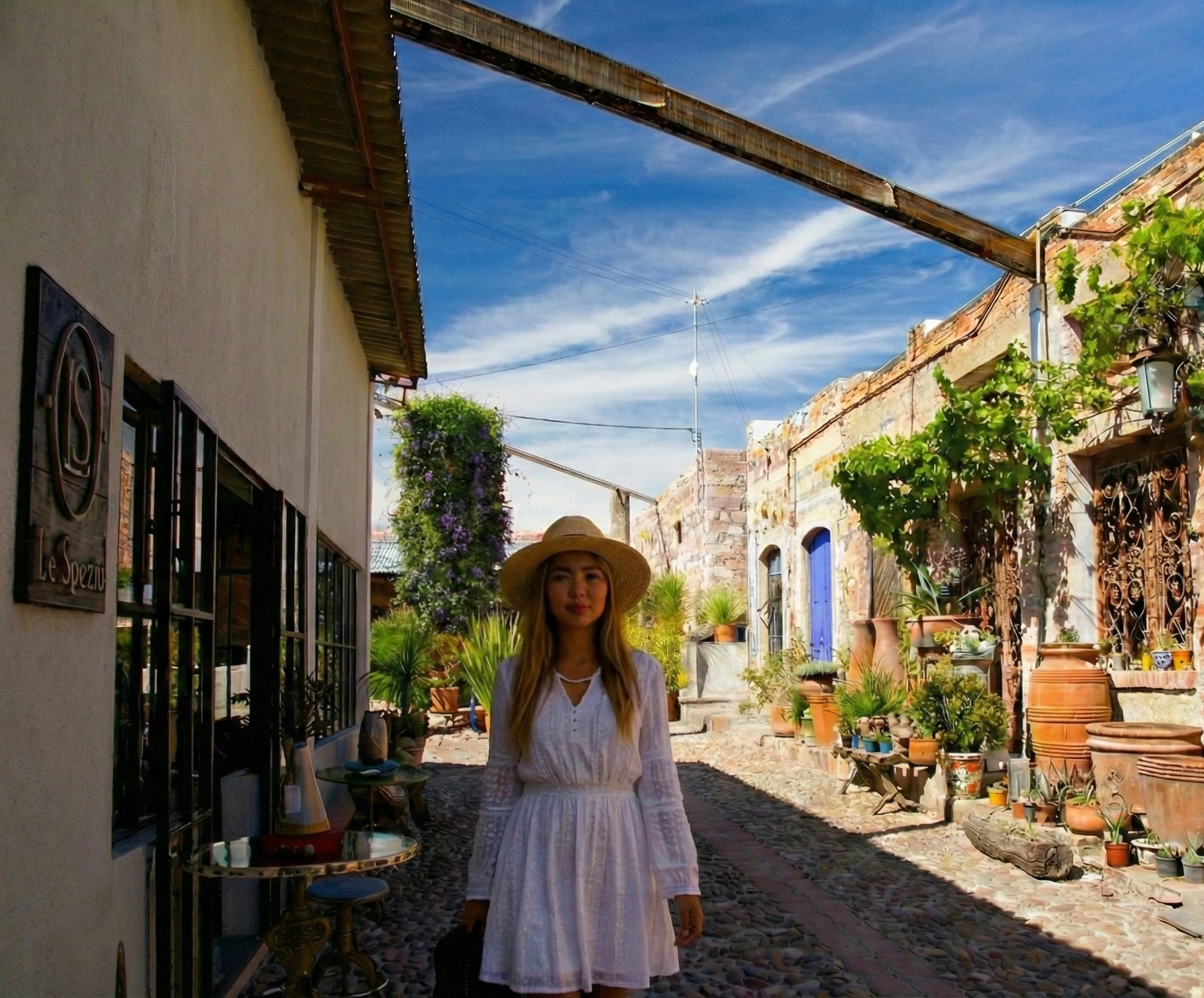
San Miguel de Allende was saved from becoming a ghost town in the late 1940s by the establishment of arts institutes (Instituto Allende and Bellas Artes). This attracted a wave of American veterans and artists who established a bohemian culture that persists today. San Miguel is not a place for cheap souvenirs; it is a global hub for high-end art, interior design, and artisanal fashion. Fábrica La Aurora: The Chelsea Market of MexicoA ten-minute walk from the center lies Fábrica La Aurora, a structure that defines the city's transformation. For decades, it was a working textile factory processing cotton. Today, the industrial machinery—massive gears, turbines, and hydraulic presses—remains in place, but the factory floor has been converted into dozens of high-end art galleries, furniture studios, and antique dealers.
The Concept Stores of Calle SollanoBack in the center, streets like Sollano and Zacateros are lined with "Concept Stores" that blend fashion, art, and gastronomy.
|
4. The "New Napa": Wine in the High Desert
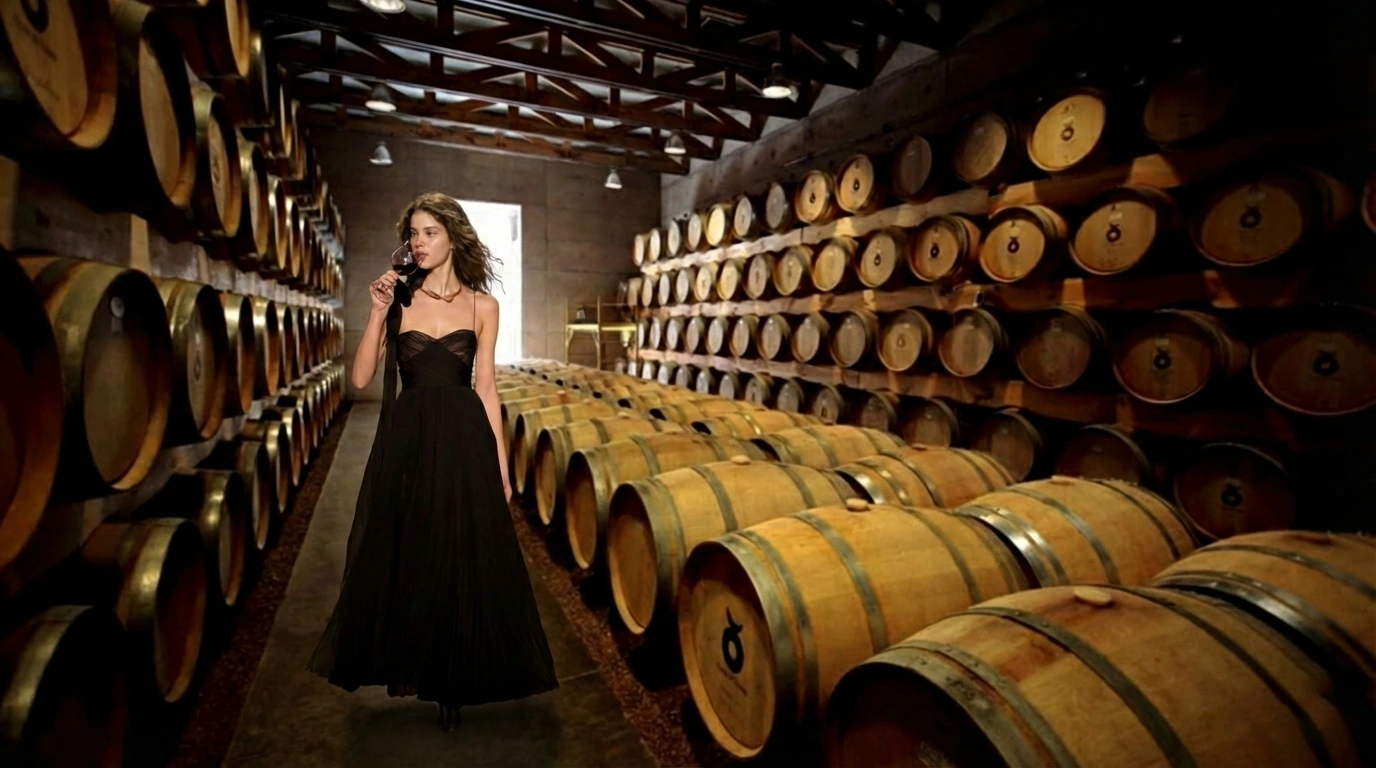
| Why the "Valle de la Independencia" is the Next Great Wine Region |
For years, Mexican wine was synonymous with the Valle de Guadalupe in Baja California. While Baja is spectacular, it is hot, arid, and undeniably rustic. The Bajío region (Guanajuato) offers a completely different terroir: High Altitude Viticulture. Situated at 6,500 feet above sea level, the vineyards here enjoy intense solar radiation during the day and a sharp drop in temperature at night (diurnal shift). This stresses the grapes in the best possible way, creating thick skins and complex, tannic structures perfect for varietals like Nebbiolo, Malbec, and Tempranillo. Architecture Meets Agriculture: Cuna de TierraThe flagship of the region is undoubtedly Cuna de Tierra. This is not just a vineyard; it is a pilgrimage site for architecture lovers. The winery itself, designed by Ignacio Urquiza and Bernardo Quinzaños, won the Mexico City Architecture Biennial. It is a sleek, minimalist structure built from the very soil of the vineyard (rammed earth), blending seamlessly into the desert landscape.
The Tuscan Mirror: Viñedos San Lucas & San FranciscoIf Cuna de Tierra is modern design, San Lucas and San Francisco are pure Tuscan fantasy. These sister estates have masterfully recreated the look and feel of Italy. We are talking about limestone workshops, olive groves lining the driveways, lavender fields that scent the air, and polo fields integrated into the vineyard.
|
5. Guanajuato City: The Surrealist Metropolis
| A Vertical City of Tunnels and Legends |
If San Miguel de Allende is the polished, photogenic older sister, Guanajuato City is the wild, bohemian, artistic genius of the family. Located just 60 minutes away, the state capital defies urban logic. Built into the bottom of a steep ravine, it is a vertical maze of brightly colored houses stacked chaotically upon one another. It feels like a mix of a medieval Spanish village and a dizzying M.C. Escher drawing. The Subterranean NetworkThere is no city on earth like Guanajuato for one specific reason: The Tunnels. Originally built in the colonial era to divert river floodwaters, these massive stone tunnels were paved over in the 1960s to create a subterranean road network.
The European Cultural HeartGuanajuato is a university town (Universidad de Guanajuato) and the host of the Festival Internacional Cervantino, one of the most important arts festivals in Latin America.
|
6. Dolores Hidalgo: The Cradle of Ceramic Art
| Why "Talavera" is More Than Just Pottery |
Connecting San Miguel and Guanajuato is the town of Dolores Hidalgo. Historically famous as the site where the shout for Mexican Independence was first made in 1810, for the luxury traveler, it is the capital of Talavera ceramics. Denomination of Origin: Real Talavera is protected by a Denomination of Origin (DO). It is not just painted clay; it is a specific, regulated process involving distinct mineral pigments and firing temperatures.
|
7. The Titans of Hospitality: Rosewood vs. Belmond
| Where to Sleep: Grandeur vs. Intimacy |
San Miguel de Allende is unique in Mexico because it hosts two of the world's most prestigious luxury hotel brands within walking distance of each other. Choosing between them defines the tone of your trip. The Rosewood San Miguel de AllendeThis is the "Grand Dame." Built to resemble a 19th-century hacienda, it is massive, manicured, and imposing. It feels like a self-contained resort village.
Belmond Casa de Sierra NevadaIf Rosewood is the resort, Belmond is the secret. It is a "scattered hotel" composed of several historic mansions (casonas) located across different streets in the center.
|
8. The "Callejoneada" Phenomenon: Why Everyone Marries Here
| The Parade of Joy (Even if You Aren't Getting Married) |
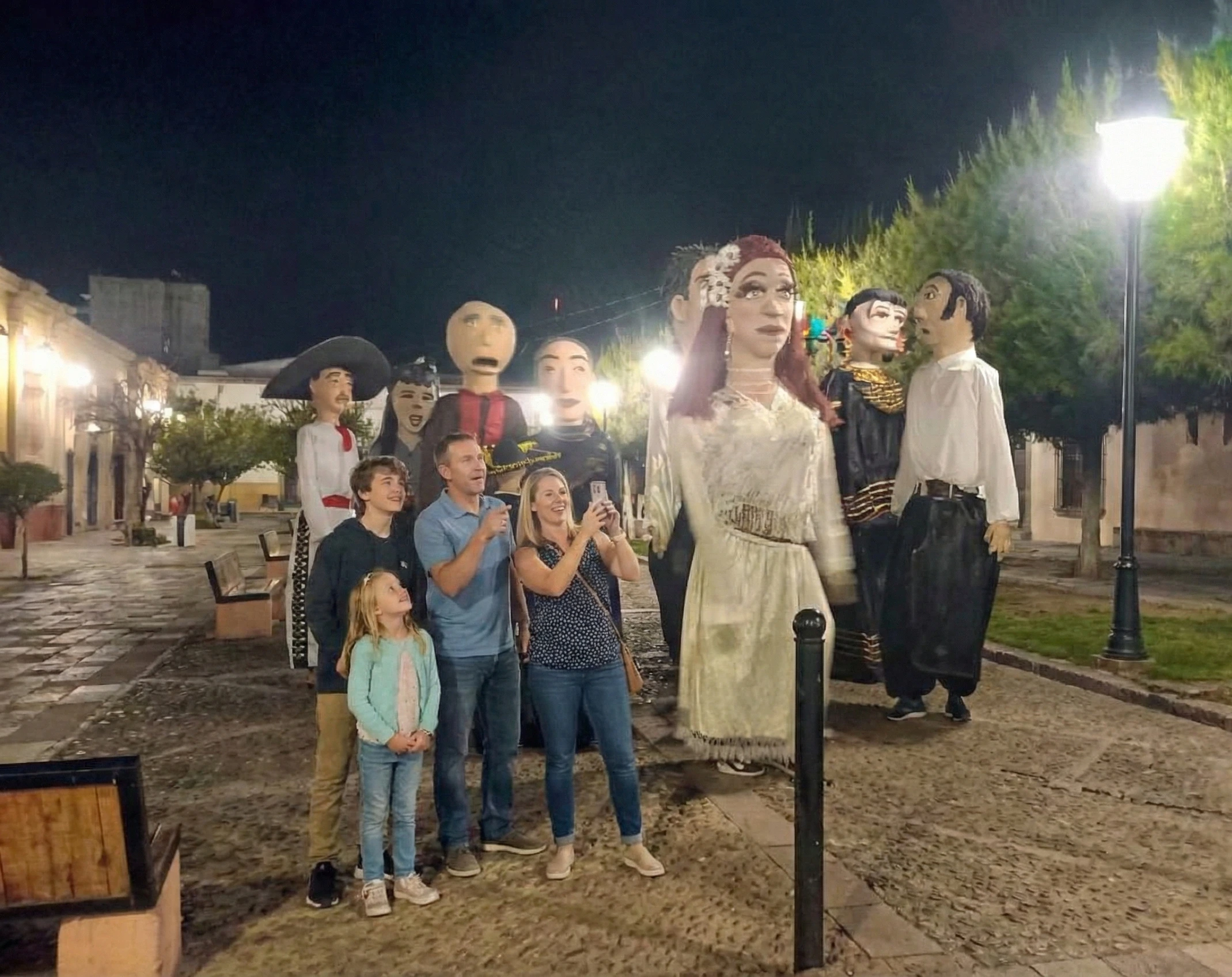
San Miguel is the premier destination wedding location in Mexico. Even if you are just visiting, you will witness the spectacle of the Callejoneada. It is a tradition that feels purely magical. The Ritual: It is a walking parade through the cobblestone streets. It is led by the couple, followed by a mariachi band, a donkey (burro) adorned with flowers carrying jugs of tequila, and massive 10-foot-tall papier-mâché puppets called Mojigangas (often caricatures of the bride and groom).
|
9. Strategic Logistics: Getting There Safely
| BJX vs. QRO: Decoding the Airports |
One of the reasons the Bajío remains exclusive is that it requires a bit of logistical planning. It is not a direct flight to the beach. Choosing the right airport is key. Option A: BJX (Del Bajío / Leon)
Option B: QRO (Querétaro)
|
10. The Purple Season: When to Go
| Timing the Jacaranda Explosion |
While the region boasts "eternal spring" weather, there is one specific window that transforms the city into a painter's dream: March and April.
|
11. How to Book It: The Colonial Circuits
| Curated Journeys for the Sophisticated Traveler |
San Miguel and Guanajuato are best experienced as part of a structured narrative. At Ile Tours, we weave these destinations into broader historical and cultural journeys. Recommended Itineraries
|
Final Verdict: The Sophisticated Choice
San Miguel de Allende and Guanajuato offer something rare in modern travel: a sense of place that has not been diluted by globalization. It is sophisticated without being stuffy, historic without being boring, and luxurious without being generic.
If you are ready to trade the crowds of Napa and the jet lag of Tuscany for the magic of the Mexican Highlands, 2026 is your year.
Experience the "New Napa" in First Class style.
Book the Sun Road Circuit with Ile Tours today.