Galapagos Wildlife Intelligence
Galapagos Wildlife Explained:
Lifespan, Habitat, and When It All Aligns
From century-old tortoises to equatorial penguins, the Galapagos is not just about what you see—it's about understanding how life evolves, survives, and reveals itself depending on when you arrive.
A Destination Defined by Biology
The Galapagos Islands belong to Ecuador, yet their ecological identity is entirely their own—shaped by isolation, ocean currents, and evolutionary time.
Life Here Operates on a Different Timescale
Giant Tortoises
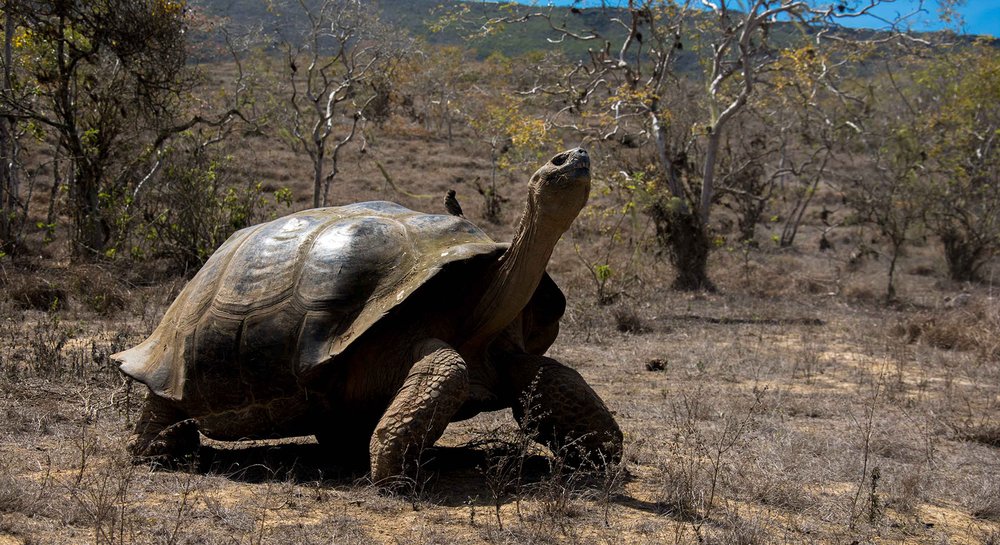
Some Galapagos tortoises live well over 100 years, with recorded cases exceeding 170—making them among the longest-living vertebrates on Earth.
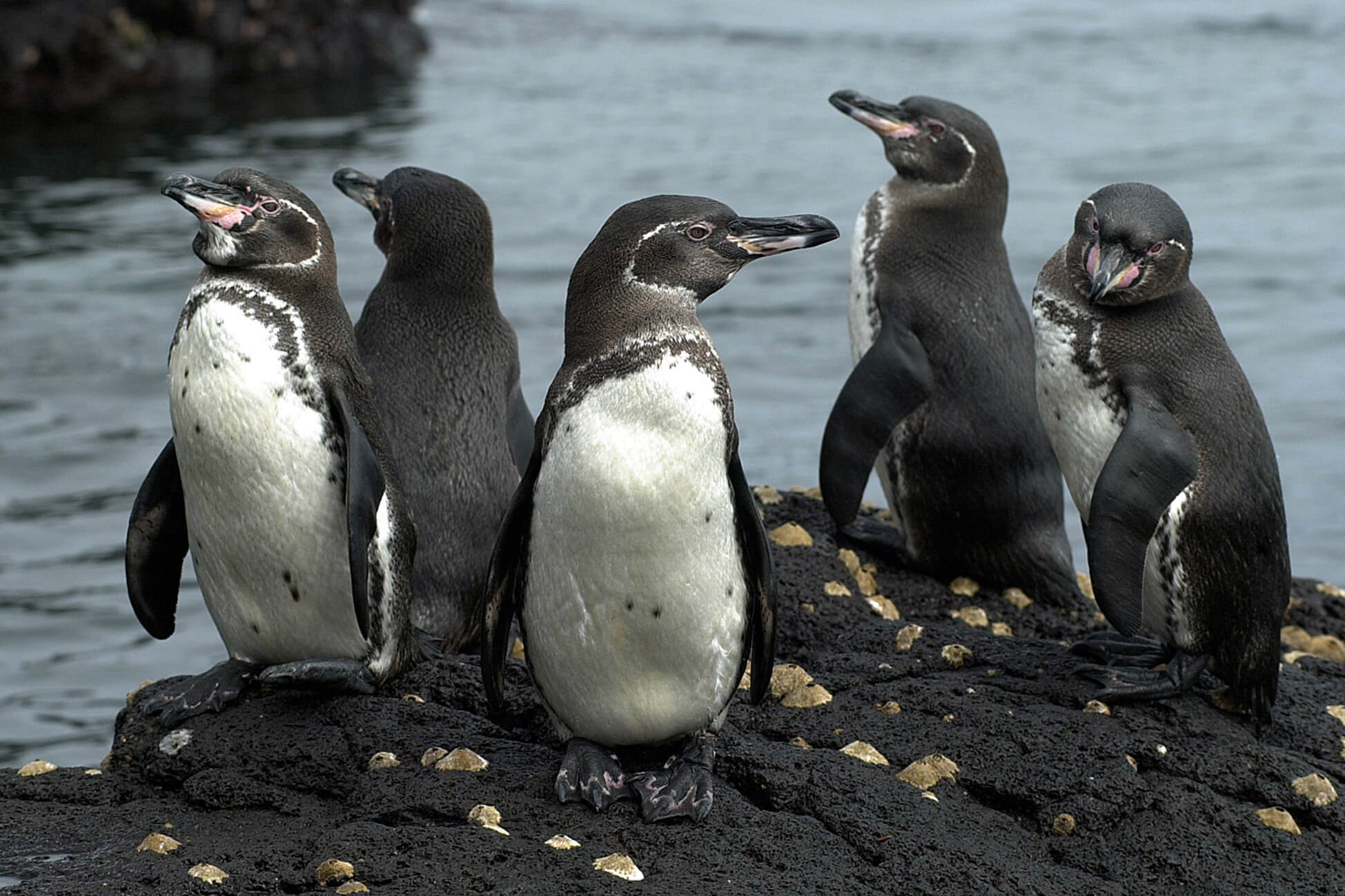
Penguins at the Equator
The Galapagos penguin is the only species found north of the equator, surviving thanks to cold ocean currents that reshape what “habitat” means.
Extreme Adaptation
Every species here reflects a precise environmental balance—one that shifts subtly throughout the year.
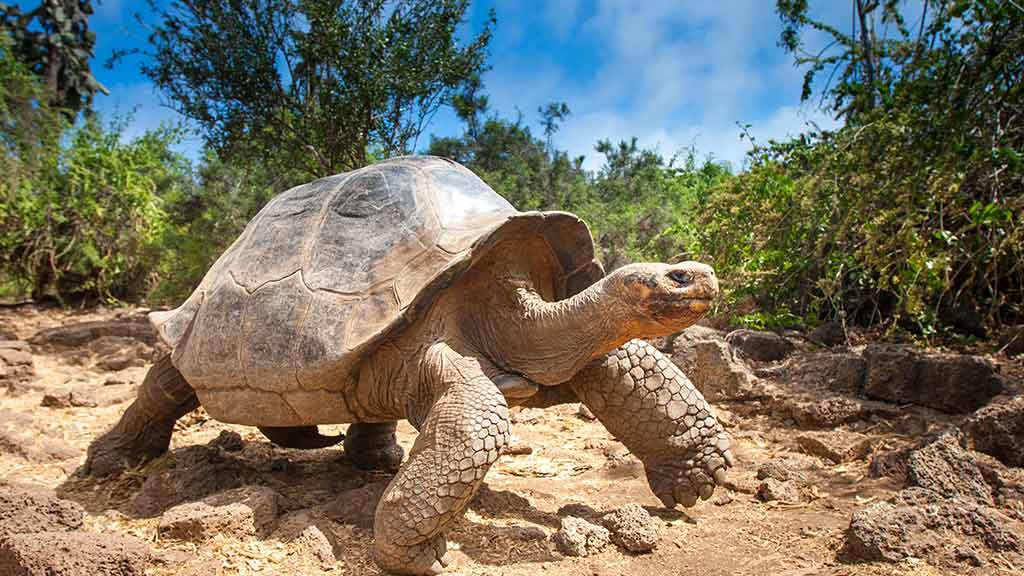
The Story Behind the World’s Oldest Tortoises
Interest in long-living tortoises often leads to names like Jonathan, a Seychelles giant tortoise believed to be over 190 years old. While not native to the Galapagos, his story highlights a broader truth:
longevity in isolated island ecosystems is not an exception—it is a pattern. In the Galapagos, this pattern defines entire species.
Understanding lifespan here is not trivia—it’s a window into how evolution unfolds over centuries.
Seasonal Intelligence
There Is No “Best Time”—Only the Right Alignment
The Galapagos doesn’t offer a single perfect moment. Instead, each period reveals a different layer of the ecosystem—shifting what you see, how you move, and what defines your experience.
Warm Season (Dec – May)
Calmer waters, higher temperatures, and increased marine activity define this period. It’s when visibility improves and underwater encounters become more dynamic.
- Ideal for snorkeling and diving clarity
- Active marine life and breeding cycles
- Smoother navigation conditions
Cool Season (Jun – Nov)
Nutrient-rich currents bring colder waters—and with them, some of the most unique wildlife activity found anywhere in the islands.
- Peak sightings of Galapagos penguins
- More active birdlife and feeding behavior
- Stronger ecological contrasts across islands
How to Choose Your Timing
For Marine Encounters
Warmer months provide clearer waters and more predictable underwater visibility.
For Rare Species
Cooler months increase chances of seeing penguins and feeding frenzies.
For Comfort
Calmer seas and warmer air temperatures create a more relaxed navigation experience.
For Photography
Light conditions and wildlife density shift depending on season and location.
Habitat Defines Visibility
Not all wildlife is evenly distributed. Some species appear only under very specific environmental conditions.
Final Understanding
The Galapagos Doesn’t Reveal Itself — You Arrive at the Right Moment
Centuries-long lifespans, rare species, and shifting ecosystems define every encounter. What you experience is shaped by timing, not chance.
Time
Seasonal shifts define behavior.
Location
Species vary by island.
Access
Routes are strictly controlled.
Outcome
Every trip is unique.
This Is Where Knowledge Becomes Experience
Knowing how long a tortoise can live, where penguins survive, or when conditions shift is not just information—it’s the foundation of a more precise journey.
Because in the Galapagos, what you see is never random. It is the result of timing, positioning, and understanding.
Align With the Islands—Don’t Just Visit Them
The most meaningful Galapagos journeys are built around understanding when, where, and how life reveals itself.