Field Notes • Observation • Reality
What Textbooks Don’t Show You About Speciation
Most explanations of speciation begin the same way: isolation, variation, adaptation. Clean, structured, predictable. But in reality, none of it feels that simple.
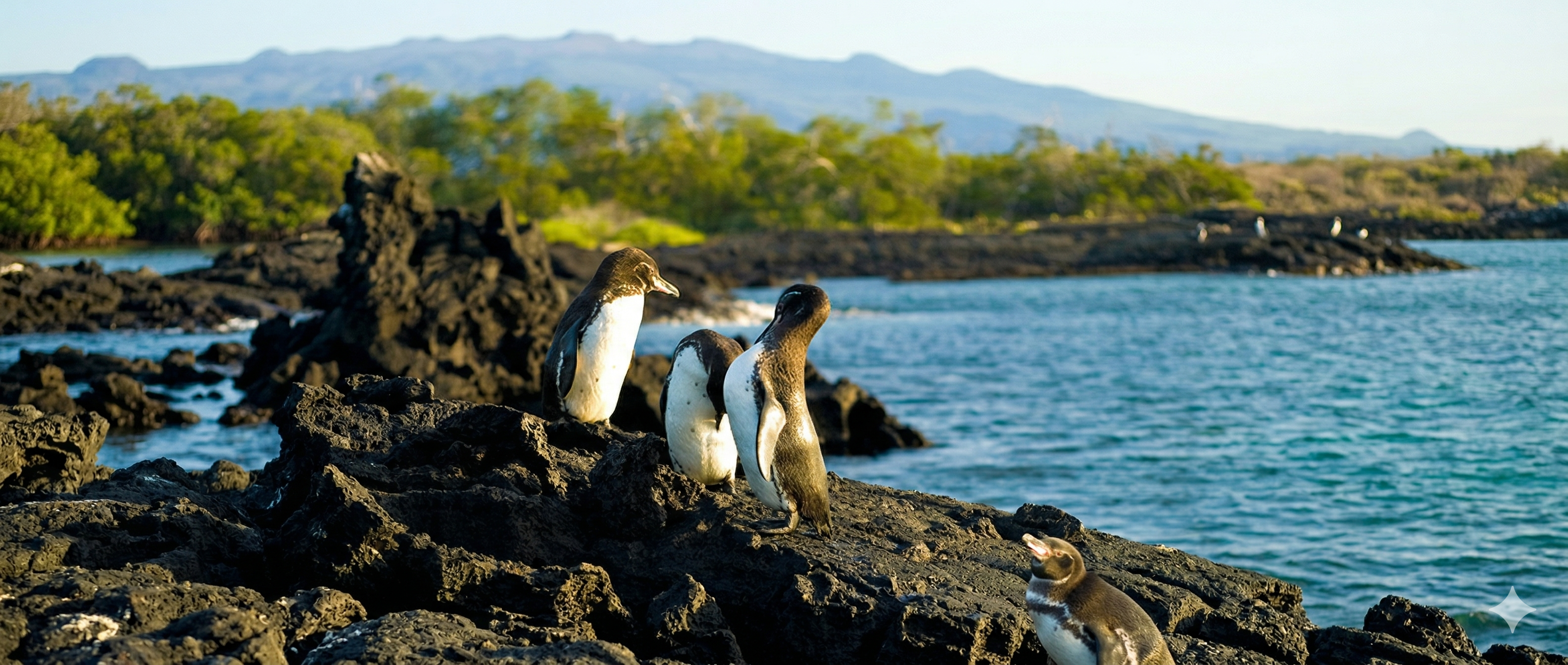
Speciation Isn’t a Theory You Memorize
It’s a process you observe—if you are in the right place.
Differences don’t appear instantly. They accumulate slowly, often invisibly, until populations no longer behave the same way.
01
Geographic Isolation
Physical barriers—oceans, distance, terrain—separate populations long enough for change to begin.
02
Reproductive Isolation
Over time, behavior shifts. Mating patterns change. Even if populations meet again, they no longer interbreed.
03
Competition & Selection
Resources are limited. Traits that improve survival persist, while others fade.
Beyond Diagrams
Now Imagine This Happening Across Islands
Not in diagrams. Not in controlled examples. But across volcanic terrain, separated by ocean currents, shaped by unpredictable conditions.
That’s where understanding shifts—from theory to observation.
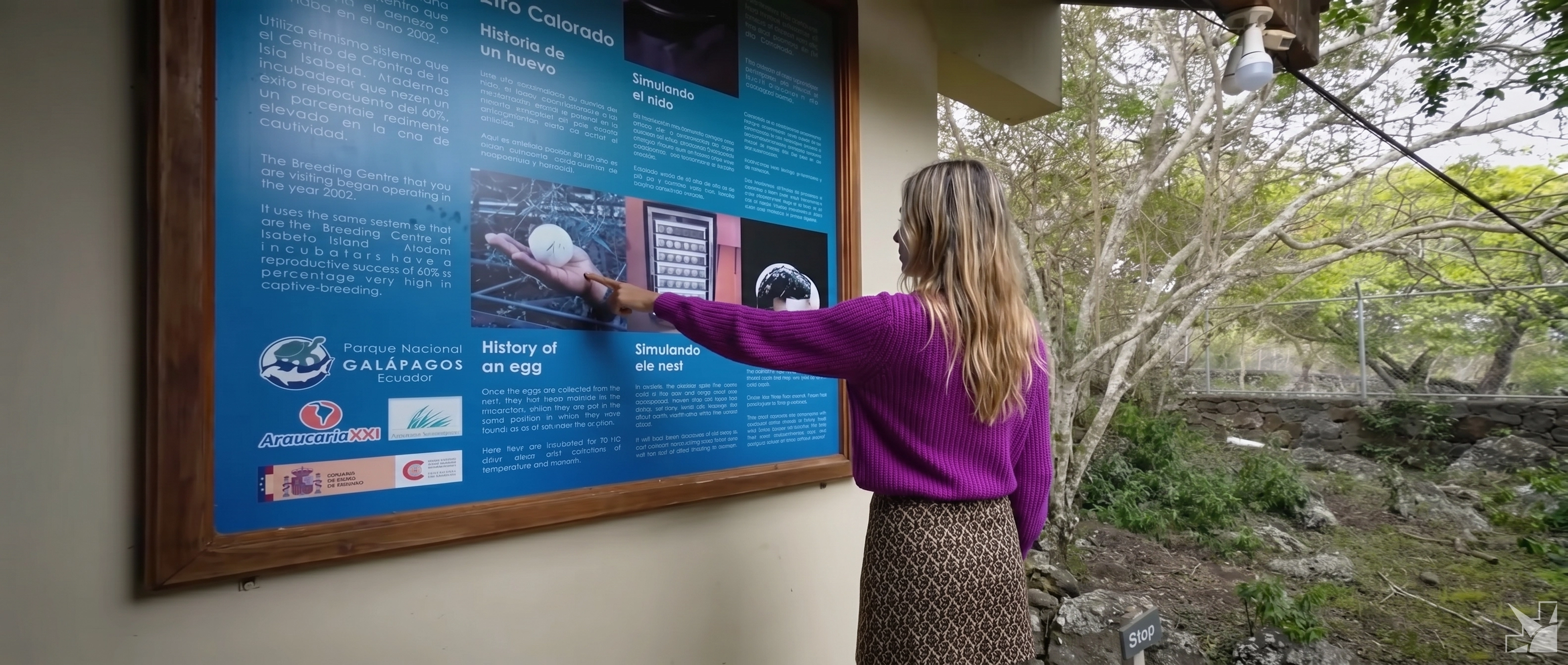
Observation • Territory • Conditions
Where Speciation Becomes Visible
There is one place where isolation, competition, and adaptation are not abstract ideas—they are spatial, physical, and constantly unfolding.
Volcanic Separation
Each island forms independently. Lava, elevation, and distance create natural barriers that divide populations before they ever interact.
Environmental Pressure
Food availability, climate, and terrain vary across short distances, forcing organisms to adapt differently even within the same archipelago.
Gradual Divergence
Over time, small differences compound. What begins as variation becomes separation—until populations no longer function as one.
This Is Why Darwin’s Observations Still Matter
When observing finches across islands, differences in beak size and shape weren’t random—they reflected adaptation to specific conditions.
Those differences helped explain how new species emerge—not suddenly, but through consistent environmental interaction.
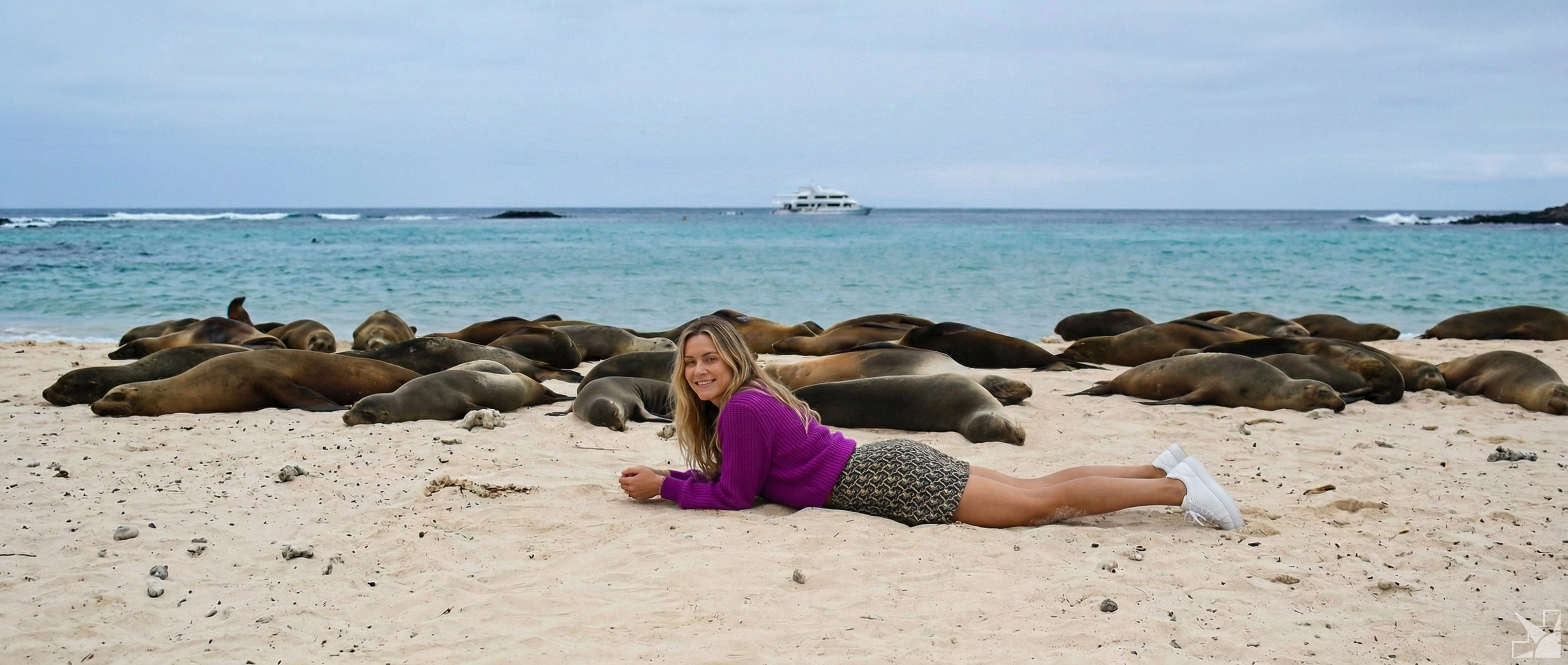
Observation • Understanding • Experience
Understanding Changes When You See It in Motion
Concepts like isolation, adaptation, and divergence are often reduced to diagrams and definitions. But those representations remove the most important element: context.
When observed in real environments, those same processes become dynamic—shaped by terrain, time, and interaction.
Not Immediate
Change happens gradually, often beyond immediate perception.
Not Isolated
Multiple forces act simultaneously—environment, behavior, competition.
Not Replicable
These conditions exist together in very few places on Earth.
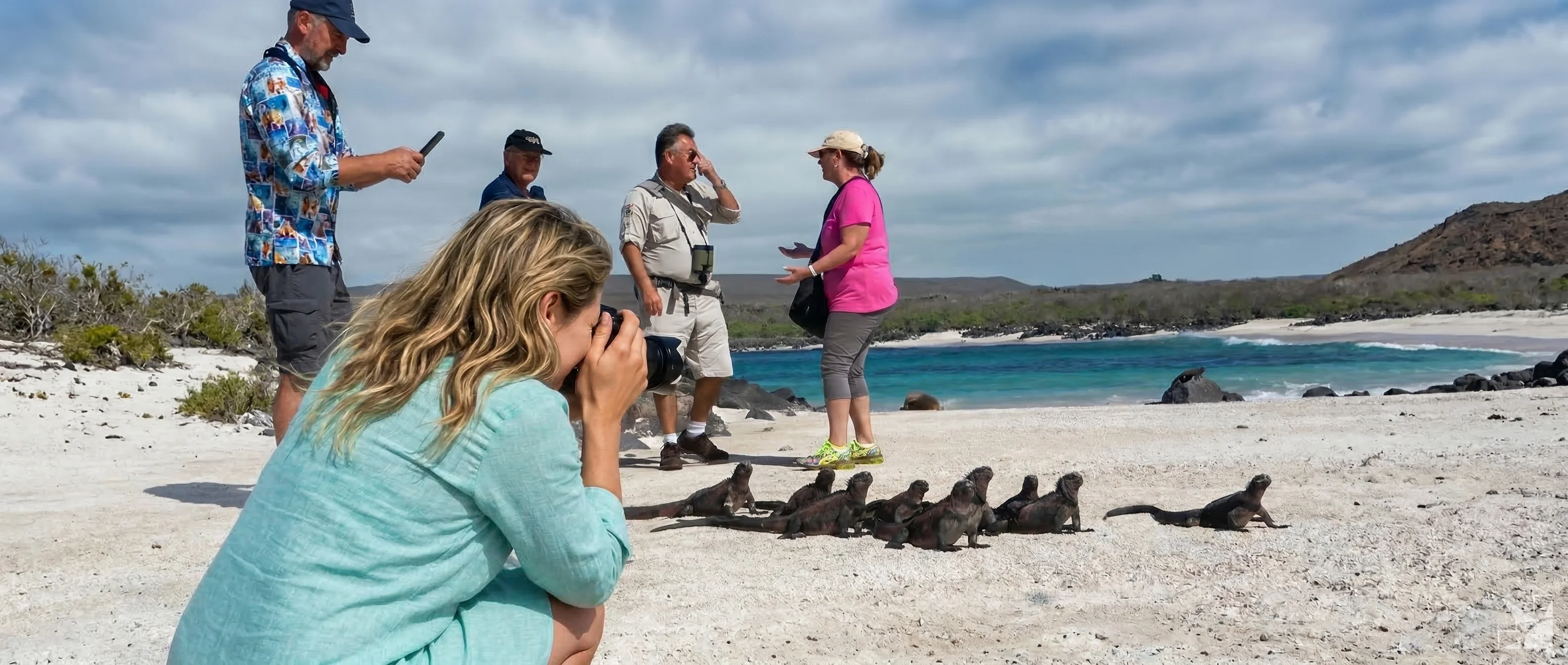
From Explanation to Reality
Searches and questions often begin with theory—definitions, comparisons, structured answers. But understanding rarely ends there.
It moves toward something more direct: seeing how those processes actually unfold.
See the Process Where It Actually Happens
Explore environments where isolation, adaptation, and species divergence are not abstract concepts, but observable realities.