Marine Dynamics
Night Transforms Static Ecosystems Into Active Systems
Feeding Corridors
Reef structures and open water zones shift into continuous feeding pathways driven by plankton movement.
Thermal Layers
Temperature gradients reorganize marine positioning, concentrating activity in specific depth ranges.
Predator Cycles
Species inactive during daylight enter peak hunting phases, increasing encounter intensity.
Bioluminescent Systems
The Ocean Becomes Reactive, Not Passive
Under controlled night navigation, microscopic organisms generate visible light through motion. This transforms the ocean surface into a responsive field where every movement produces illumination.
This phenomenon exists only in low-interference zones, requiring precise positioning and absence of external disturbance—conditions exclusive to private yacht operations.
Controlled Land Access
Nocturnal Landings Follow Precision, Not Volume
Restricted Entry Points
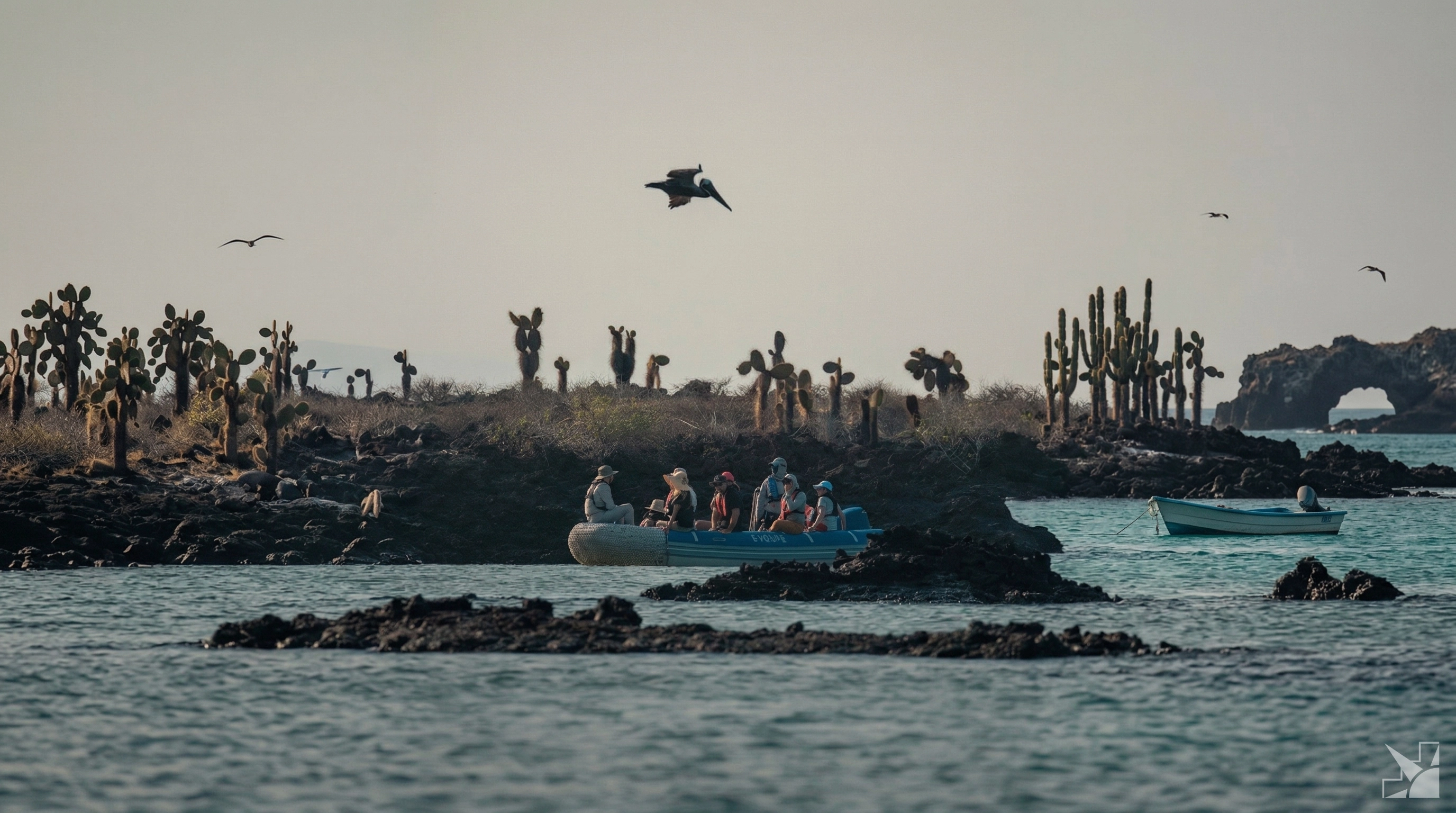
Only specific zones allow night access, limiting human presence and preserving natural behavior patterns.
Behavioral Exposure
Nesting cycles, hunting sequences, and territorial movement become visible only during these hours.
Silent Observation
Absence of crowd pressure enables deeper, uninterrupted interaction with the environment.