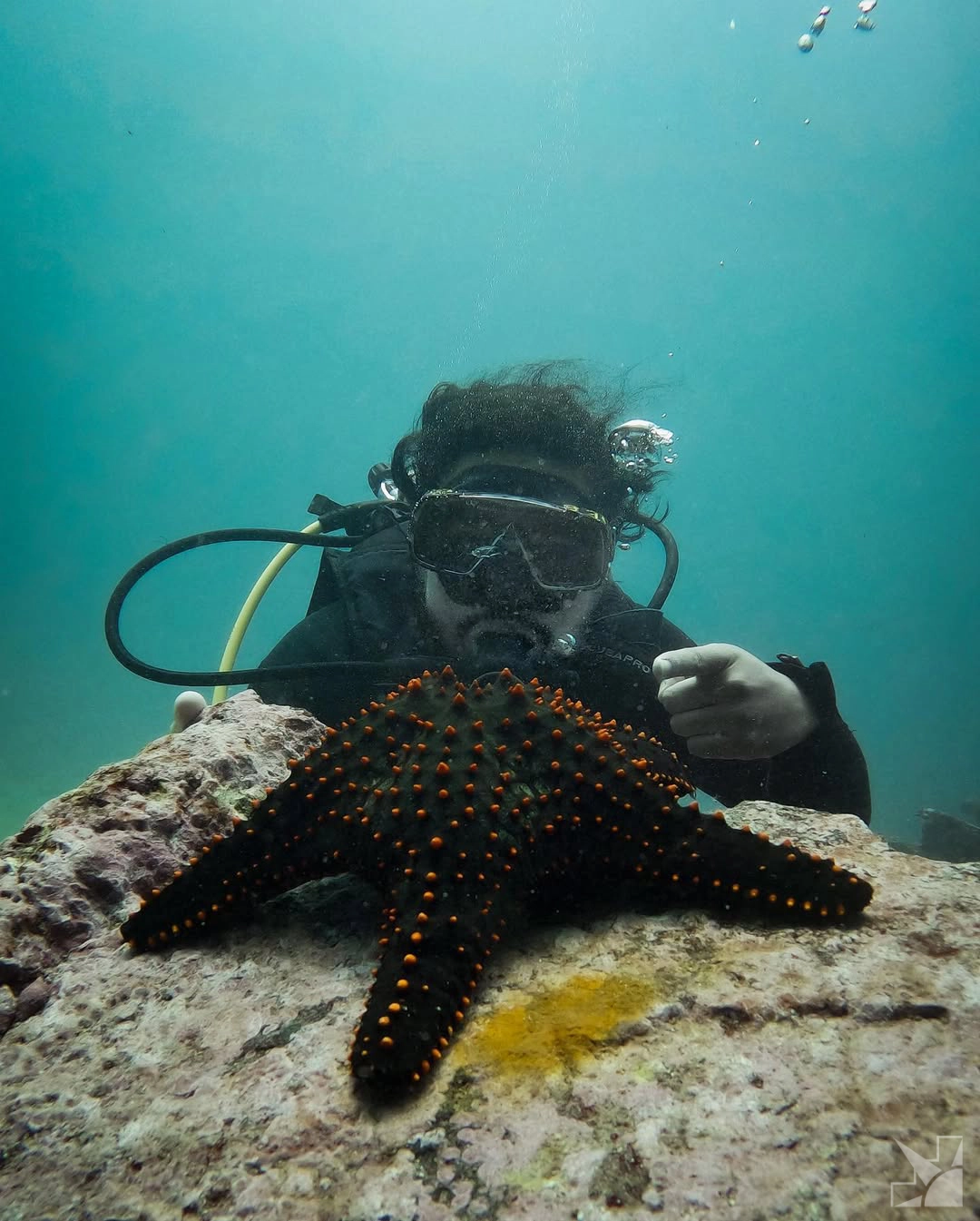
Isabela Western Coast:
Low-Density Expedition Sector
The western navigation sector of the Galapagos represents the most isolated and biologically concentrated maritime corridor in the archipelago. Accessible primarily via private yacht routing, this zone includes the remote coastlines of western Isabela and Fernandina, where vessel traffic is strictly limited and ecological density reaches its peak.
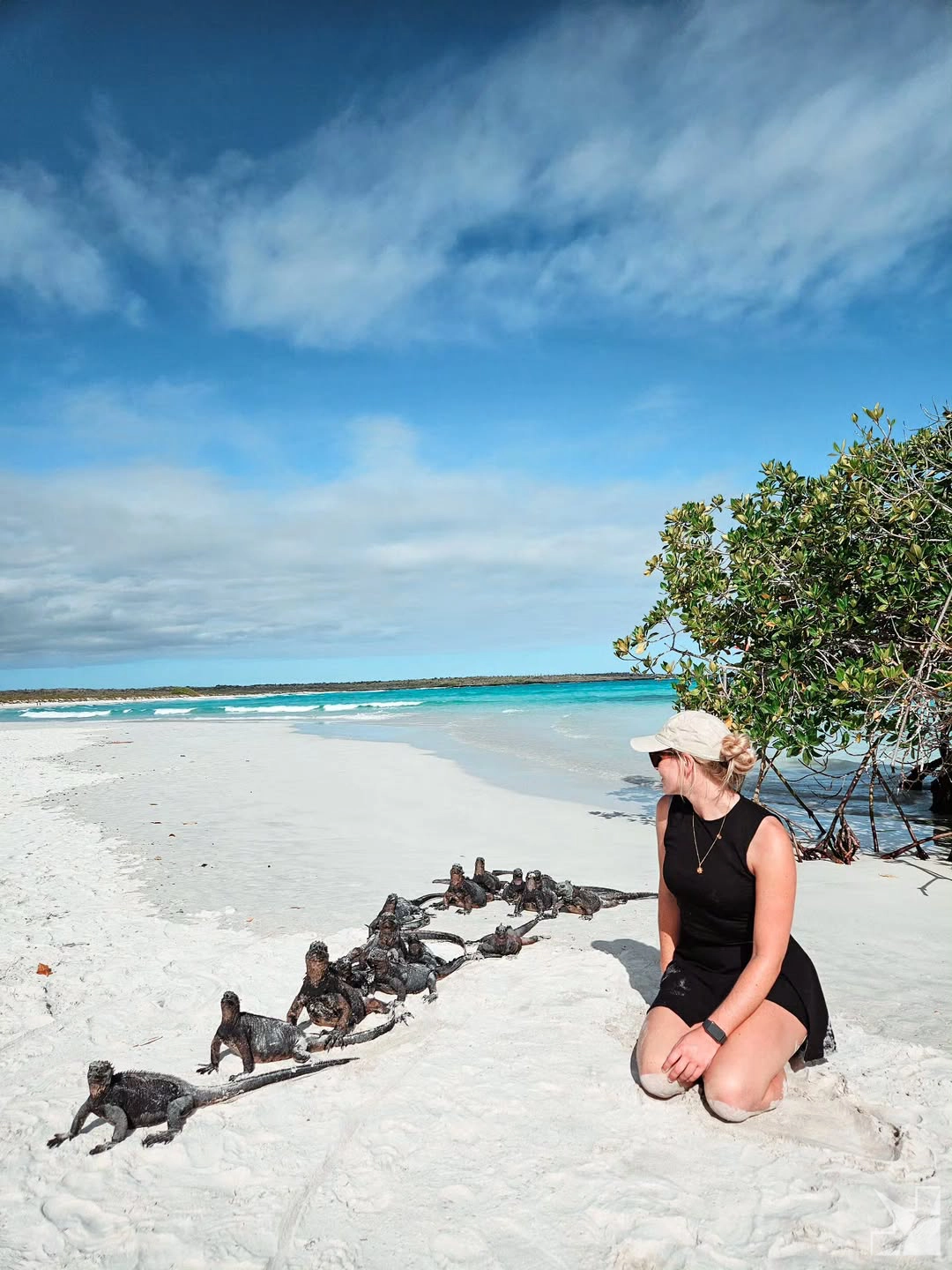
Strong nutrient upwellings driven by the Cromwell Current generate unparalleled marine productivity, attracting large aggregations of pelagic species. This routing sector is critical for high-frequency encounters with marine iguanas, flightless cormorants, and apex marine predators, making it the most valuable zone for wildlife-focused itineraries.
Access Level Restricted / Permit-Based
Wildlife Density Maximum Archipelago Level
Navigation Priority Early-Stage Routing
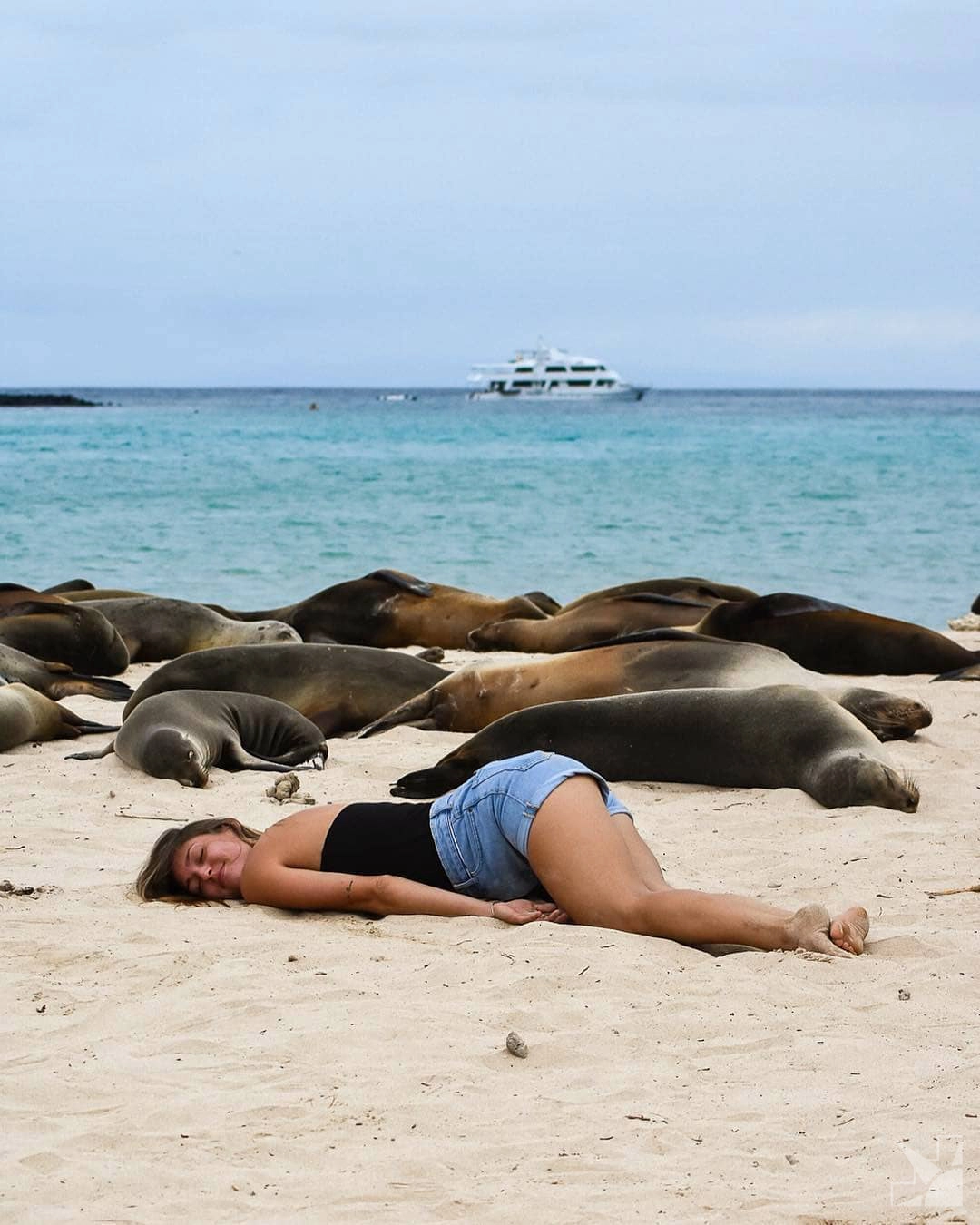
Santa Cruz Corridor:
Logistical Anchor Hub
The central navigation corridor of the Galapagos functions as the primary logistical axis for private yacht operations. Anchored around Santa Cruz Island, this zone integrates port access, controlled visitor sites, and flexible routing options that allow vessels to transition efficiently between eastern and western sectors.
While this region experiences moderate traffic levels, strategic timing and off-peak landings allow for highly optimized experiences. This zone is essential for balancing expedition flow, provisioning logistics, and accessing diverse ecological microclimates, including highland forests, lava tunnels, and mangrove ecosystems.
Access Type Moderate / Regulated
Function Transit & Resupply Hub
Routing Role Mid-Expedition Balance
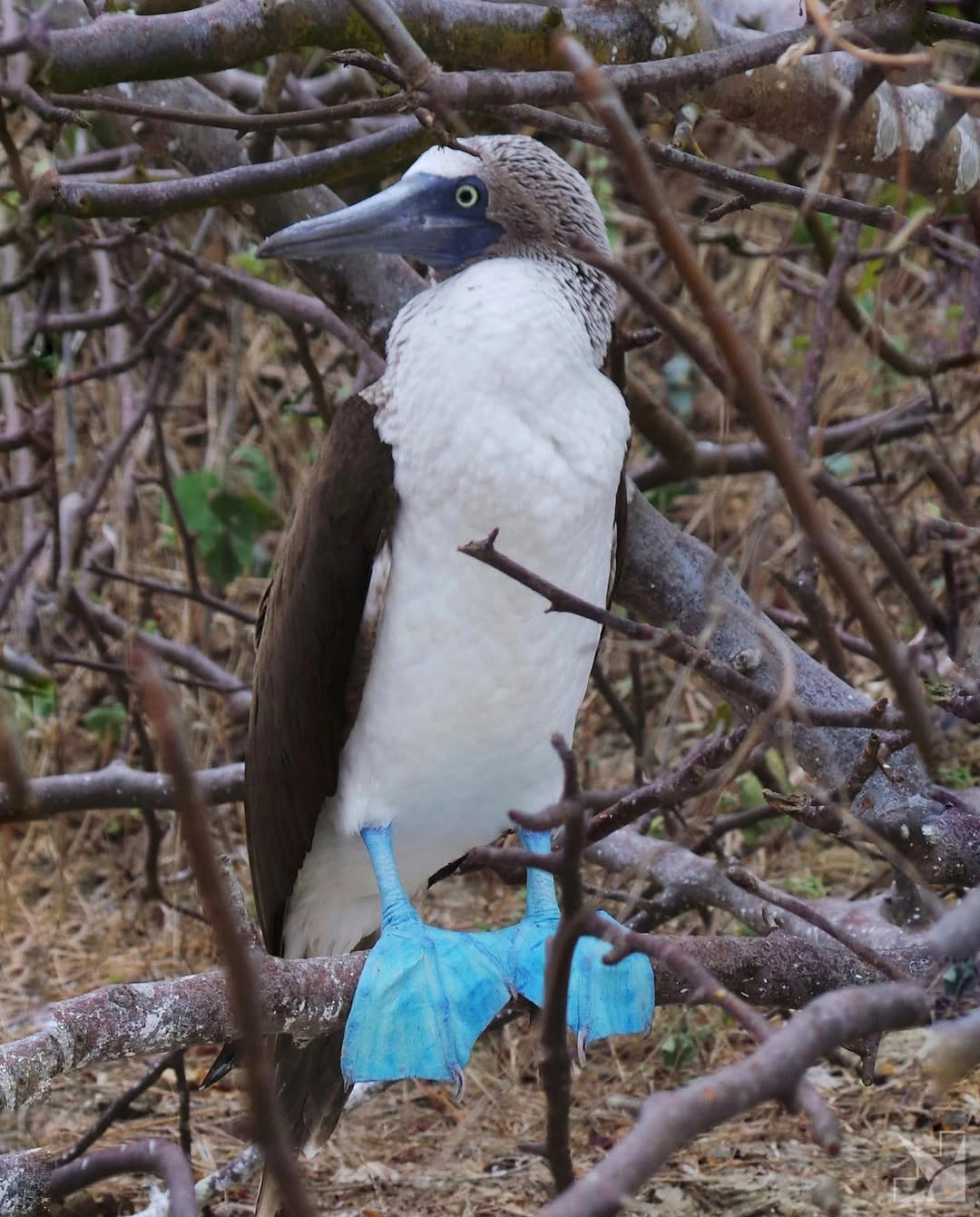
Genovesa & Darwin:
Elite Expedition Frontier
The outer expedition zone represents the most exclusive and logistically demanding sector of the Galapagos navigation grid. Located in the far northern reaches, islands such as Genovesa and Darwin require extended navigation windows and precise route authorization, making them accessible only through advanced expedition planning.
These remote sectors deliver unmatched biodiversity experiences, including massive seabird colonies and high-probability encounters with large pelagic species. Due to distance and permit limitations, incorporating this zone into a private yacht itinerary significantly elevates the expedition into a true ultra-luxury exploration category.
Distance Factor Extended Navigation Range
Access Level Highly Restricted
Experience Value Maximum Exclusivity
Engineer Your Private Navigation Route
Unlocking the full potential of a Galapagos private yacht expedition requires advanced routing expertise, access to restricted navigation permits, and deep ecological intelligence. Our US-market specialists design fully customized itineraries engineered for exclusivity, efficiency, and maximum wildlife exposure.