GEOGRAPHY • CONTEXT • SYSTEM

Where the Galapagos Actually Are
Changes Everything

The Galapagos are not just remote — they are positioned in a way that reshapes climate, wildlife behavior, and access itself.


Pacific Isolation Zone

Location

Positioned in the Pacific Ocean, far from continental pressure, the islands operate as an isolated biological system.

Connection

Ocean currents link the islands to distant ecosystems, bringing nutrients, species movement, and climatic variation.

Access

Entry is controlled and structured, shaping not just how you arrive, but what you are able to experience.


What Happens on the Mainland
Still Shapes the Islands

The Andes Mountains influence atmospheric patterns, ocean interactions, and environmental flow toward the Pacific.

Even at a distance, continental forces remain part of the equation — indirectly shaping what happens in the Galapagos.

Position

Equatorial Pacific

Influence

Ocean Currents

Connection

South America

System

Isolated Ecology
 

ADAPTATION • PRESSURE • SURVIVAL

Survival Here Isn’t Random.
It’s Designed by the Environment.

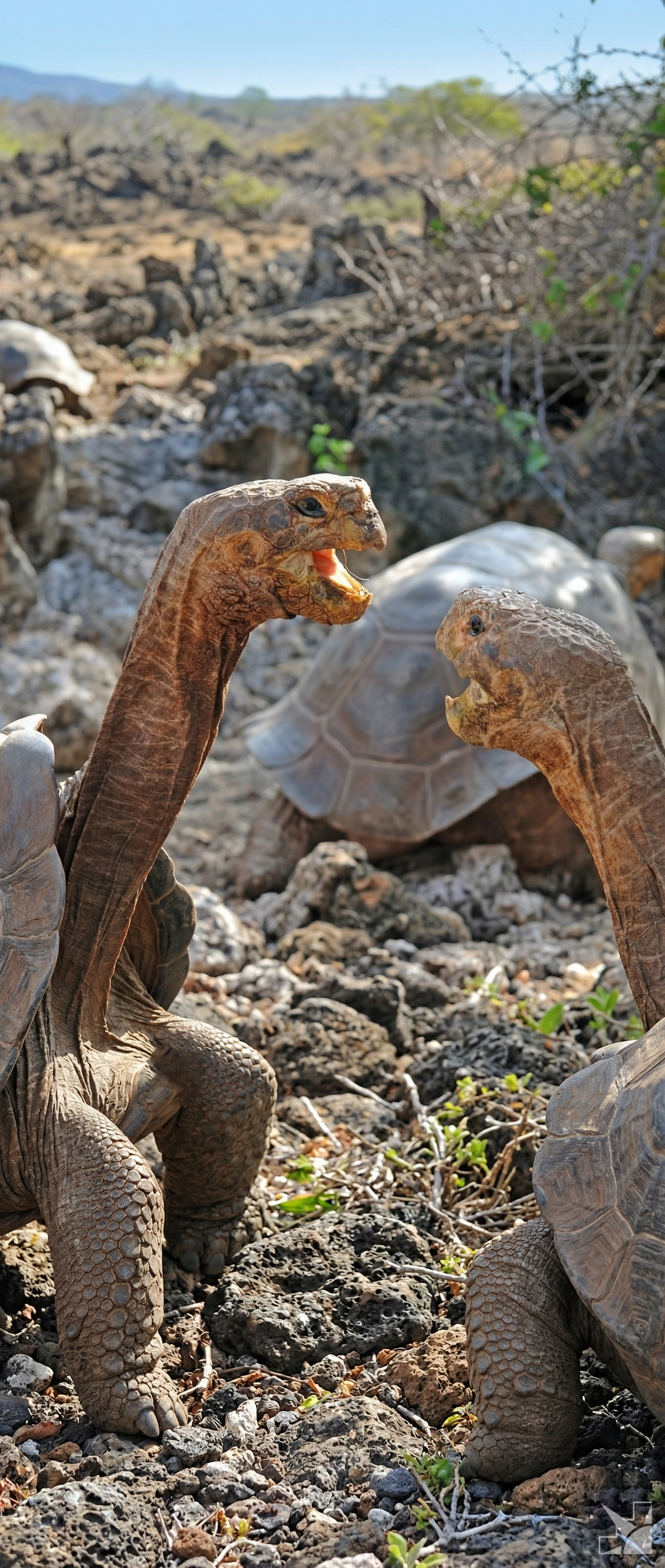
Every species in the Galapagos exists because it adapted precisely to a very specific set of conditions.


Environmental Pressure

Scarcity defines adaptation

Limited Resources

Food, water, and space are not abundant — species must compete or adapt with precision.

Isolation Effect

Without constant external influence, traits evolve in highly specific and visible ways.

Outcome

What survives is not the strongest — but what fits the environment with absolute efficiency.

Step 01

Environmental condition appears

Step 02

Species responds or disappears

Step 03

Adaptation becomes permanent

Step 04

Ecosystem stabilizes

This Is Not a Zoo.
It’s a Living System Under Constant Pressure.

Every encounter reflects a long chain of adaptation, not coincidence.
 

EXPERIENCE • ACCESS • STRUCTURE

The Way You Enter the Galapagos
Defines What You Actually See

The islands are not experienced randomly. Routes, timing, and access points determine wildlife encounters and environmental exposure.

Some journeys follow static paths. Others move with the ecosystem itself.

Dynamic Access

Movement defines exposure

Fixed Experience

  • Limited geographic reach
  • Repetitive wildlife exposure
  • Dependent on local conditions

Expedition Flow

  • Adaptive route design
  • Access to multiple ecosystems
  • Aligned with wildlife cycles

The Galapagos Is Not One Place.
It’s a Moving System.

Geography, evolution, and access work together — shaping an experience that changes depending on how you approach it.

¿Tienes dudas? 

Chatea con nosotros