The Transgenerational
Nutritional Paradox.
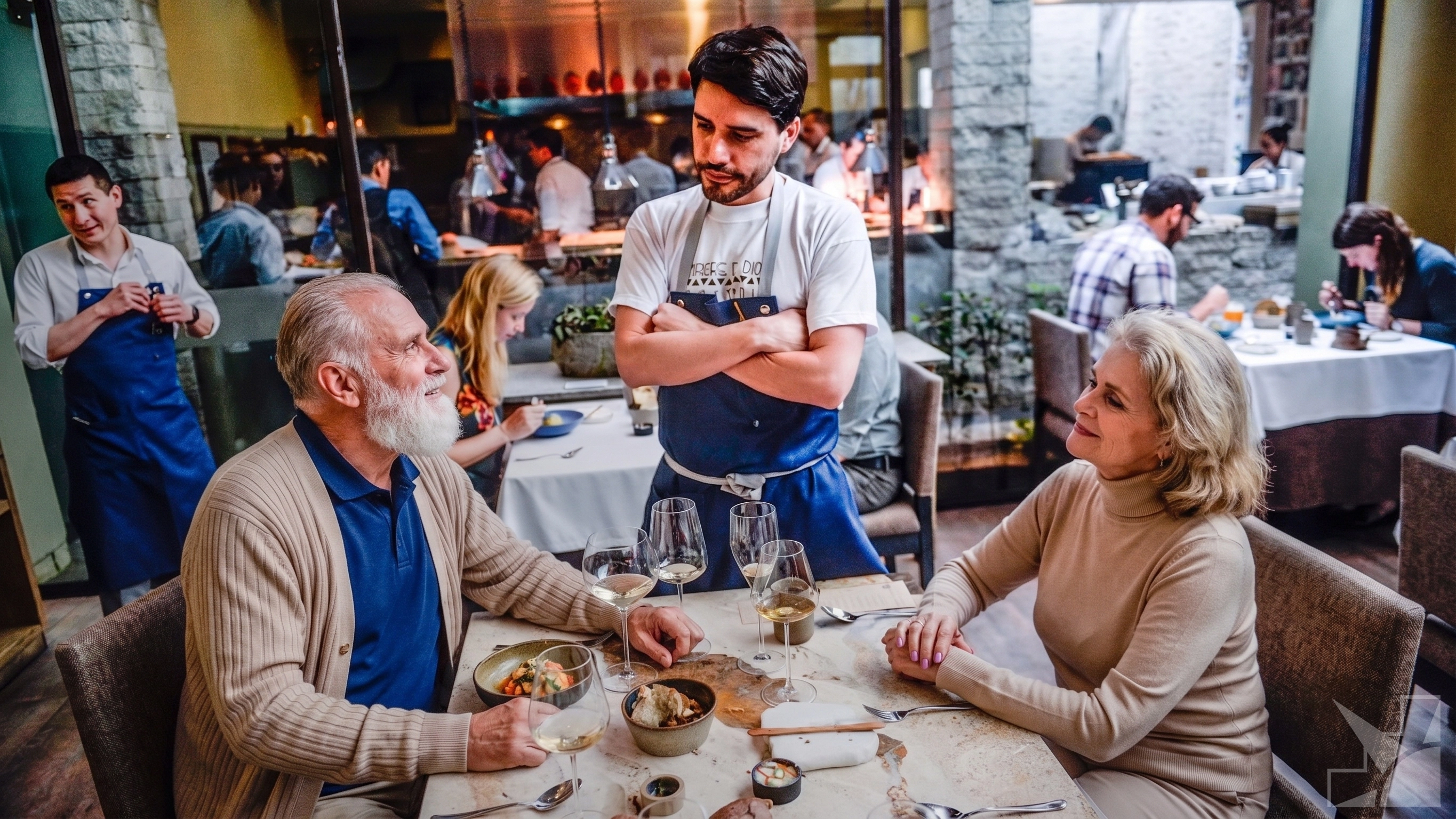
Multi-generational travel introduces a severe biological conflict. Younger travelers possess robust gastric acid baselines and aggressive immune responses, allowing them to safely process heavy, experimental local gastronomy or raw street-level ingredients. Standard travel operators force the entire family unit into a singular dining profile, indiscriminately exposing the senior demographic to these exact same pathogenic vectors. This one-size-fits-all approach is a catastrophic failure in risk management.
Ile Tours resolves this friction through bifurcated culinary logistics. We engineer dining experiences where the family remains structurally cohesive, yet operates on entirely separate gastrointestinal risk profiles. While younger family members explore authentic, high-complexity regional dishes, the senior traveler is simultaneously served a clinically audited, pathogen-free menu designed for optimal absorption and zero digestive inflammation. This dual-track system guarantees transgenerational bonding without imposing physiological compromise on the mature digestive tract.
Dietary Bifurcation
Isolating the mature microbiome while facilitating unhindered culinary exploration for the youth.
- Asymmetric MenusExecution of parallel dining protocols at vetted luxury properties, ensuring the senior traveler receives thermally stable, alkaline-heavy nutrition.
- Cross-Contamination ShieldStrict operational guidelines preventing the sharing of unvetted raw ingredients between family members during guided excursions.
Deploying the Family Protocol
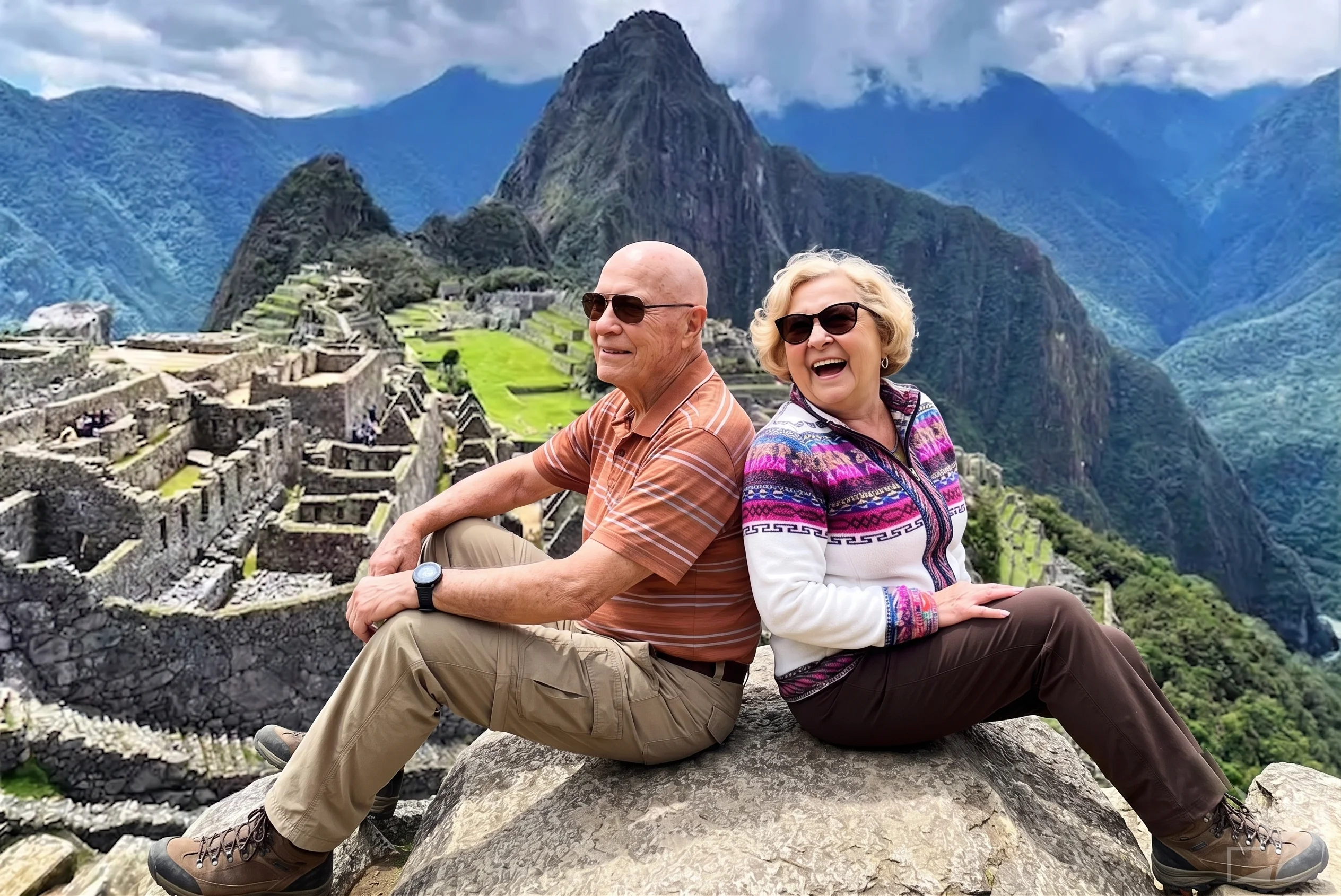
Attempting to manage complex dietary logistics on the ground inevitably creates tension between grandparents and grandchildren. Our private concierge teams absorb this burden entirely. By vetting and pre-ordering all meals across the logistical chain, we remove the friction of negotiation at the table, allowing the family to focus strictly on intergenerational connection rather than pathogen avoidance.
Lacustrine Mucosal Hydration
The dry Andean air aggressively depletes mucosal moisture in mature respiratory systems. Counteracting this requires geographic intervention. Shifting the itinerary to the shores of Lake Titicaca exploits the massive evaporative effect of the water body. This creates a localized, high-humidity microclimate that naturally stabilizes the senior traveler's internal hydration levels, reducing cardiovascular strain and accelerating physical recovery without artificial intervention.