Discover the absolute best time to visit Egypt. Learn how to beat the summer heat, avoid winter cruise crowds, and navigate travel during Ramadan safely.
Monthly Temperatures
Crowd Density Tracking
Nile Cruise Timing
Timing is the single most critical variable of your Egyptian expedition. Millions of tourists search for the perfect month to visit the Pyramids, but most online guides fail to address the brutal reality of the Sahara Desert and the crushing weight of mass tourism during peak holidays.
Egypt does not experience mild European seasons. It operates in extreme thermal and logistical cycles. Choosing the wrong week can result in dangerous heat exhaustion in the Valley of the Kings, or finding yourself trapped in a sea of 10,000 cruise ship passengers at the Temple of Karnak. This 2026 intelligence briefing dictates exactly when to deploy.
| I | What is the Absolute Best Time to Visit Egypt? |
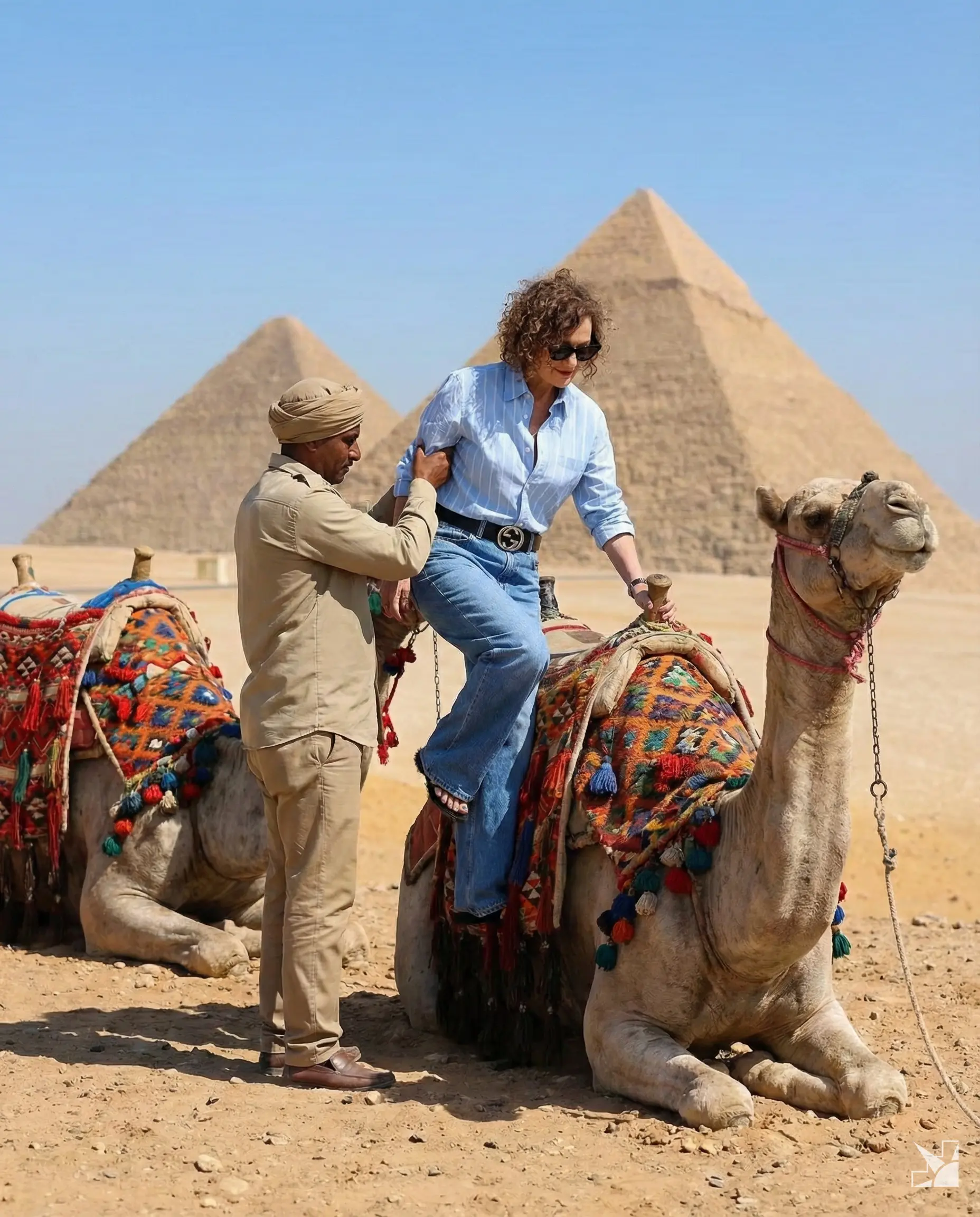
Statistically and climatically, the golden window for North American and European travelers is the late fall and the heart of winter. During these months, the punishing summer sun retreats, transforming the southern monuments from hostile ovens into perfectly temperate outdoor museums.
The Paradox of Perfection
This six-month period offers flawless blue skies and cool evenings. You can comfortably explore the sprawling Karnak Temple at midday without seeking shade. The Nile breeze makes sailing on a felucca or a private yacht an extraordinary experience rather than a humid endurance test.
However, this weather triggers the massive crowd paradox. Because the weather is globally recognized as perfect, every mass-market tour operator, gigantic river cruise ship, and budget backpacker descends upon the country simultaneously.
Attempting to navigate Egypt independently between October and April guarantees you will spend hours waiting in queues to enter tombs, and you will be physically boxed out of the best photo locations by 50-person bus groups. Strategic VIP routing is mandatory.
| II | The Summer Furnace: Is Egypt Too Hot in July & August? |
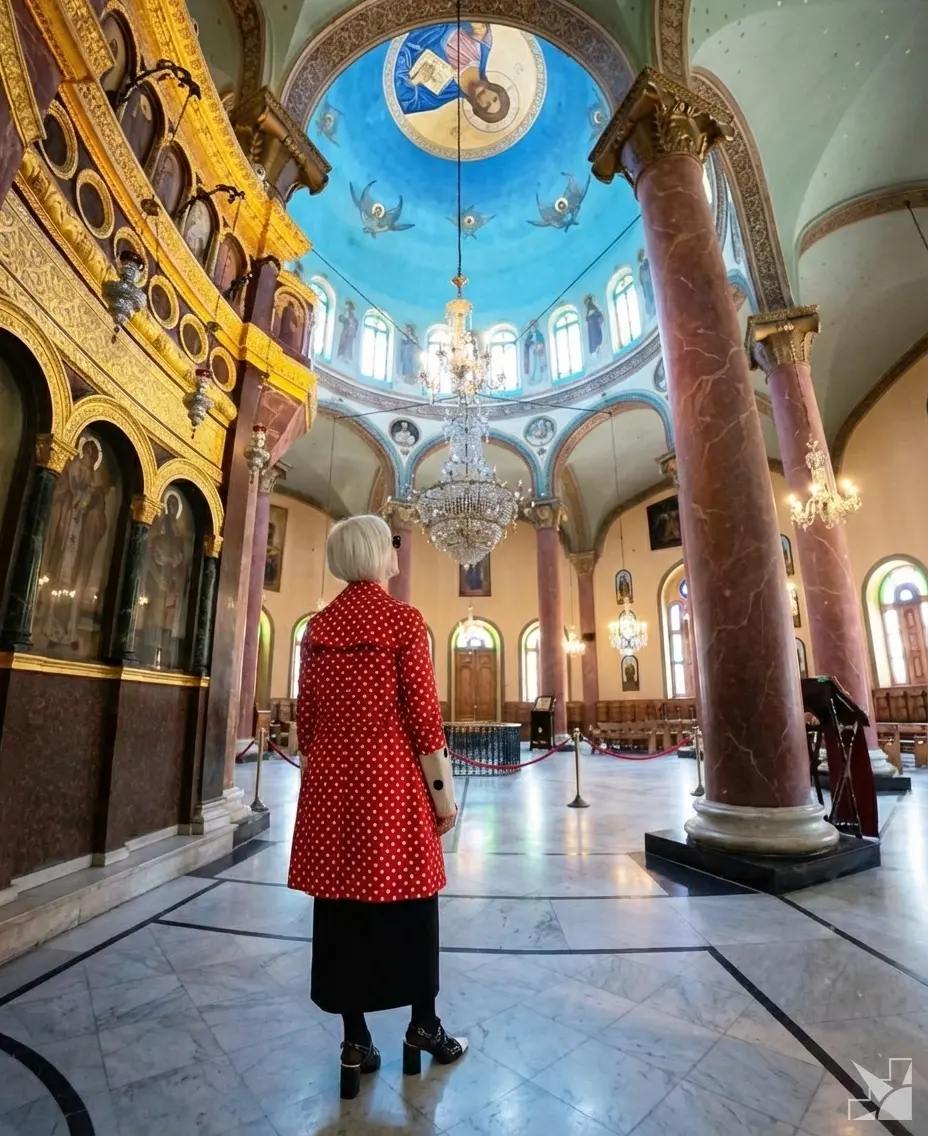
A massive volume of tourists attempt to book Egyptian vacations during the North American and European school summer holidays (June, July, and August). While tour prices and hotel rates plummet to their lowest annual levels, the physical cost of this decision is severe. Egypt is dominated by the Sahara Desert; it does not have a "mild" summer.
The Physical Reality
During the summer months, the Valley of the Kings acts as a natural limestone oven. By 10:00 AM, the ambient temperature inside the subterranean tombs becomes stifling, and the stone pavements radiate intense heat. Dehydration and heat exhaustion are daily occurrences for unprepared tourists.
If you must travel in summer: Independent travel is exceptionally dangerous. You require a premium logistics agency to secure air-conditioned luxury vehicles, arrange 6:00 AM private access to monuments before the heat peaks, and structure your afternoons exclusively around 5-star hotel pools or private shaded Nile feluccas.
| III | The Tactical Sweet Spot: May & September (Shoulder Season) |
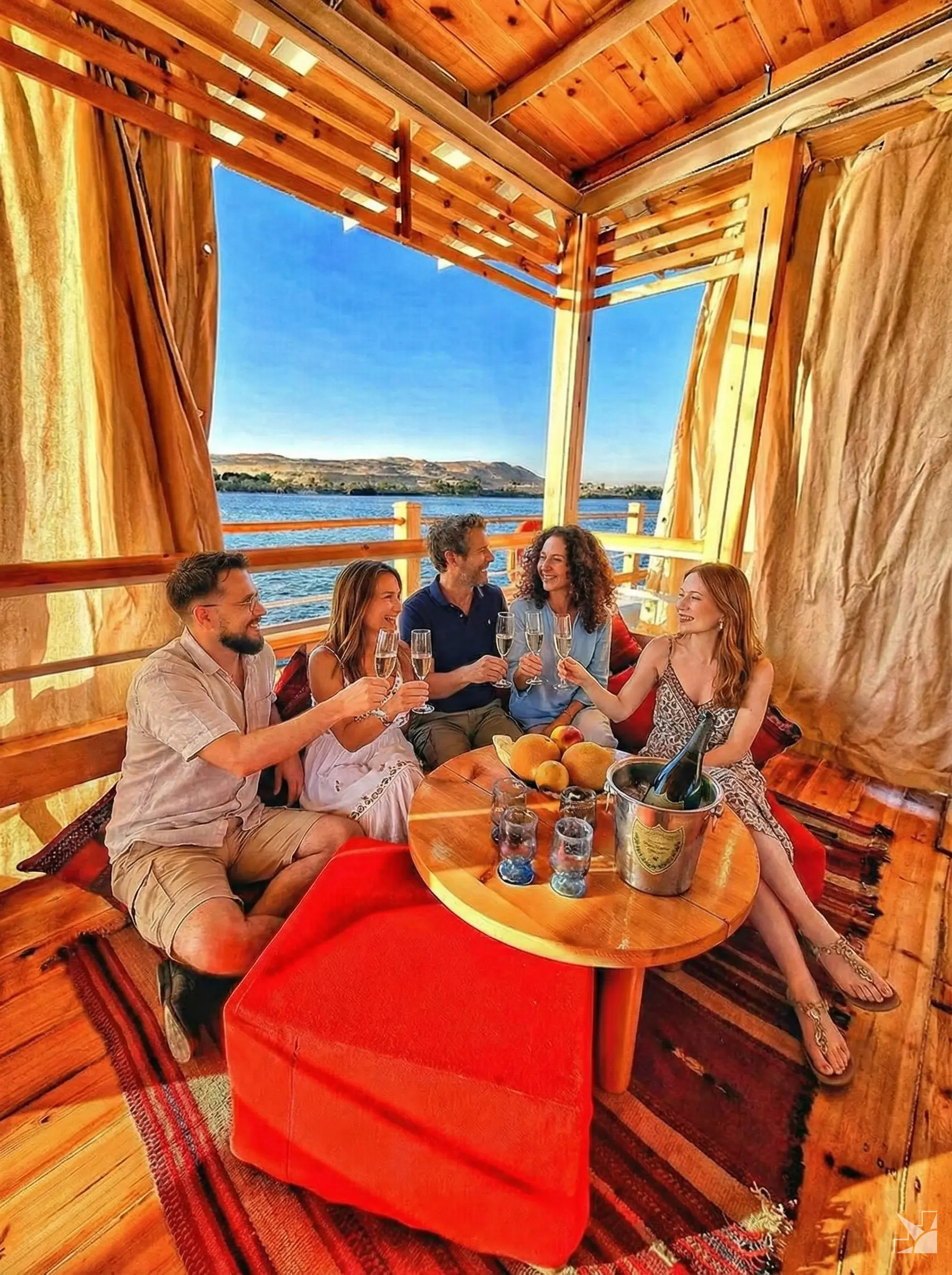
For the traveler seeking to balance tolerable weather with a massive reduction in crowd density, the "Shoulder Seasons" represent the most intelligent logistical play. These are the transitional weeks immediately before and after the grueling summer.
May and September are the hidden gems of Egyptian tourism. You are trading perfect winter weather for significantly warmer days, but the strategic payoff is immense for photography and cultural immersion.
The massive fleets of mega-cruise ships operate at half capacity. The colossal 50-person bus tours from Europe have largely departed. You can stand inside the Great Pyramid or photograph the Sphinx without being physically jostled by thousands of competing tourists. Hotel availability opens up, allowing for premium suite upgrades at lower tiers.
Temperatures will regularly hit 95°F (35°C). The midday sun is aggressive and demands respect. This season requires a hybrid approach: intensive sightseeing strictly between 6:00 AM and 11:00 AM, followed by a mandatory retreat to your air-conditioned base camp or private cruise cabin during the peak afternoon heat.
| IV | Traveling to Egypt During Ramadan |
Because the Islamic calendar is lunar, the holy month of Ramadan shifts forward by roughly 11 days every year (falling in February/March for 2026/2027). Visiting Egypt during Ramadan completely alters the operational rhythm of the entire nation. It requires advanced logistical anticipation, as the country effectively switches to a nocturnal schedule.
The Fasting Fatigue
From dawn until sunset, observant Muslims abstain from food, water, and smoking. Consequently, the general pace of the city slows down dramatically. Traffic is lighter in the mornings, but energy levels drop. Crucially for tourists, many official historical sites, museums, and local shops will close one to two hours earlier than standard operating times. Independent travelers frequently arrive at monuments only to find the gates locked.
The Iftar Awakening
At sunset, the fast is broken (Iftar), and the entire country comes alive in a spectacular display of cultural celebration. The streets fill with lanterns, feasts, and intense energy until the early hours of the morning. While alcohol is heavily restricted (even in many international hotels), experiencing the festive night markets of Islamic Cairo during Ramadan is an unparalleled cultural immersion—provided you have a private guide to navigate the massive evening crowds safely.
Execution Trumps the Season
Do not let calendar anxiety paralyze your travel plans. While the winter months offer peak weather, they demand ruthless crowd-avoidance tactics. While the summer heat is severe, it offers exclusive, silent access to the world's greatest monuments.
The ultimate deciding factor is not the month on the calendar; it is the quality of your ground logistics. Attempting Egypt independently guarantees friction. Deploying with a premium agency guarantees a seamless, protected expedition, regardless of the thermal index.