Is Abu Simbel worth the drive? Discover the best time to visit, how to book flights from Aswan, and how to avoid the 3 AM desert bus convoys in 2026.
Abu Simbel & Aswan
How to Plan the Ultimate Southern Expedition
Yes. Ramses II's Great Temple at Abu Simbel is arguably the most breathtaking monument in Egypt after the Pyramids of Giza. However, located 300 kilometers south of Aswan near the Sudanese border, reaching it requires mastering complex travel logistics to avoid exhaustion.
Aswan is the gateway to the deep south of Egypt. Unlike the chaotic energy of Cairo or the dense archaeological zones of Luxor, Aswan offers the most beautiful, tranquil stretch of the Nile River.
But travelers do not fly to the bottom of the country just to sail. They come to conquer Abu Simbel. The internet is filled with horror stories of 3:00 AM bus convoys, severe heat exhaustion, and grueling 8-hour round trips through the Sahara Desert.
This 2026 guide breaks down the exact transportation methods, flight logistics, and strategic timing required to experience Abu Simbel and Aswan efficiently, safely, and without destroying your energy levels.
| I | How to Get to Abu Simbel from Aswan |
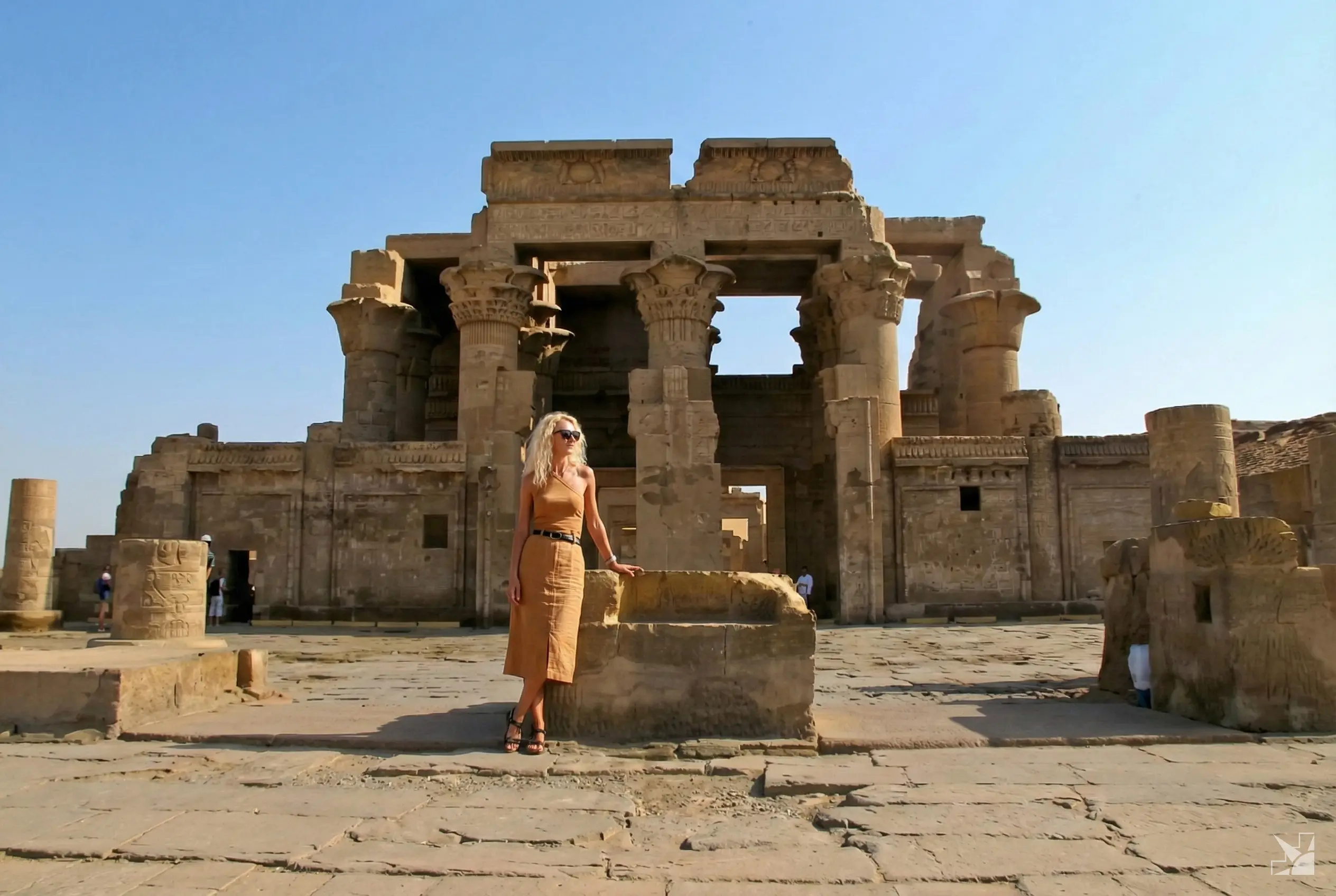
You have two distinct methods to cross the 300 kilometers of deep Sahara Desert separating Aswan from Abu Simbel. Your choice here determines whether this excursion is a highlight of your trip or a grueling endurance test.
The 3:00 AM Exhaustion Trap
Historically, tourists were forced to travel in heavily armed military convoys. While the convoy mandate has been lifted, the mass-market tourism industry still operates on this brutal schedule. Budget tours and standard cruises will wake you up at 3:00 AM to board a shared bus for a 3.5-hour drive through the pitch-black desert.
Upon arrival, you explore the temples alongside thousands of exhausted tourists for two hours, before boarding the bus for another 3.5-hour drive back. It effectively destroys an entire day of your vacation and leaves you physically drained.
The Tactical Aerial Extraction
The only method acceptable for the luxury traveler is the EgyptAir commercial flight from Aswan (ASW) directly to the Abu Simbel airport (ABS).
By securing these highly coveted domestic flight tickets well in advance, our logistics team eliminates the 7-hour desert drive. You depart Aswan at a reasonable hour, enjoy a stunning 45-minute aerial view of Lake Nasser, and have your private Egyptologist waiting for you on the tarmac. You explore the temples completely refreshed, while the bus crowds are sleeping on the highway.
| II | The Relocation of Abu Simbel |
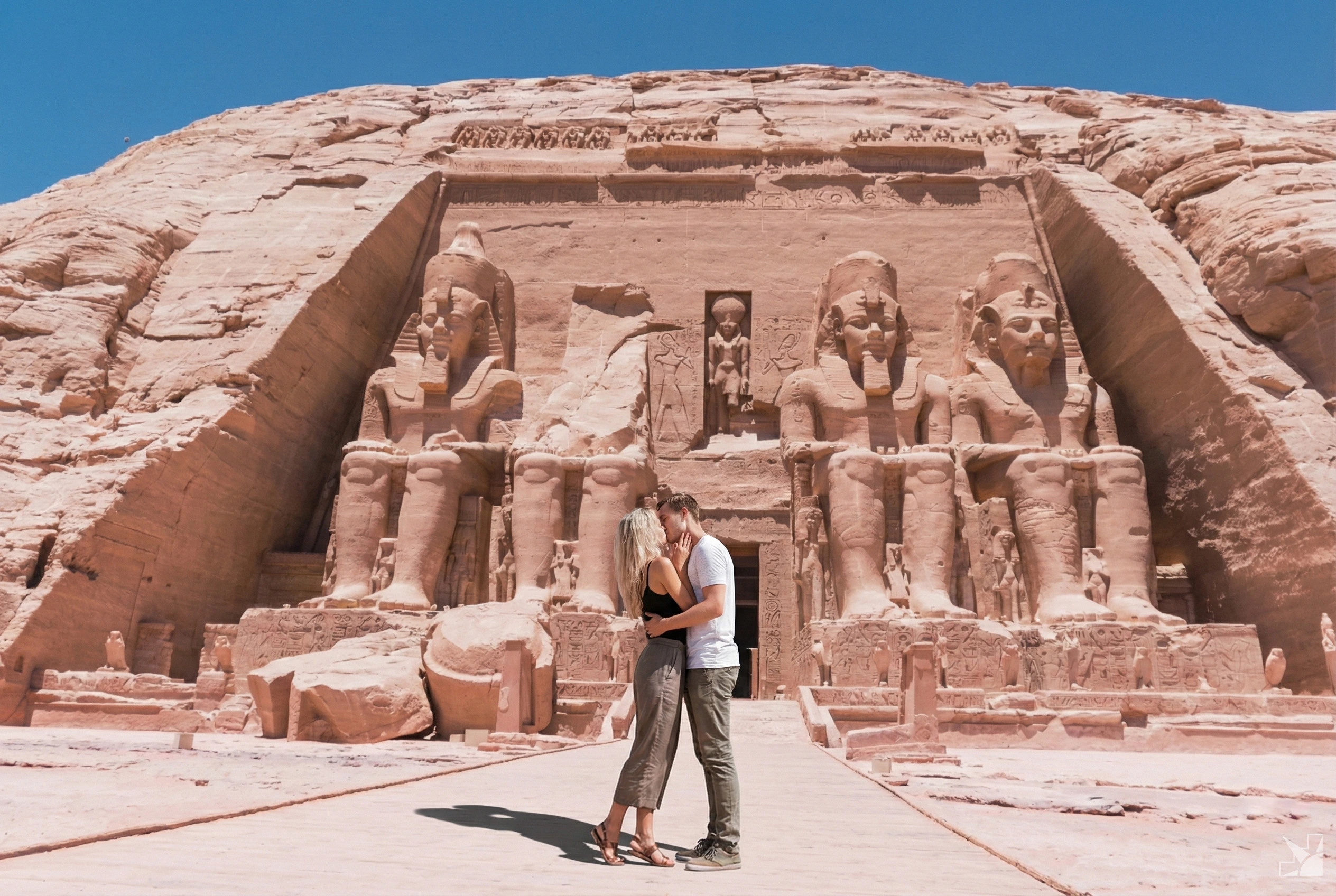
A key search term for tourists researching Abu Simbel is how the temples were moved. The Great Temple of Ramses II and the smaller Temple of Nefertari were not originally built where they stand today. In the 1960s, the construction of the Aswan High Dam created Lake Nasser, threatening to submerge these masterpieces forever under rising waters.
As the Aswan High Dam neared completion, the waters of the Nile began to rise dramatically, creating one of the world's largest artificial lakes. Without intervention, Abu Simbel would have been permanently lost beneath the depths of Lake Nasser.
Between 1964 and 1968, an unprecedented international coalition engineered a solution. The entire site was carefully cut into massive blocks—some weighing up to 30 tons. These blocks were meticulously dismantled, lifted, and reassembled 65 meters higher and 200 meters back from the river.
Today, you walk into a hollow, artificial dome constructed to mimic the original mountain. The precision of the reassembly ensures that the famous "Sun Miracle" (where sunlight illuminates the inner sanctum twice a year) still functions flawlessly.
| III | Best Time of Day to Visit Abu Simbel |
Because Abu Simbel is located in Nubia, near the border of Sudan, the solar radiation is far more intense than in Cairo or even Luxor. The massive rock facades provide zero shade during the peak of the day. Timing your visit is not merely about comfort; it is about physical safety.
- 10:00 AM
This is when the grueling 3:00 AM overland bus convoys arrive from Aswan. The site experiences its absolute peak crowd density. You will be forced to queue in direct sunlight to enter the Great Temple, and the interior chambers will be packed shoulder-to-shoulder, severely diminishing the majesty of the statues.
- 02:00 PM
By late morning, the convoy buses depart, causing crowd levels to drop significantly. However, you are now entering the hottest part of the day in the deep Sahara. Temperatures frequently exceed 110°F (43°C), and the stone plaza in front of the temples offers zero protection from the sun. This window requires significant physical endurance.
The only way to master the logistics of Abu Simbel is by leveraging commercial flights. By booking an early morning flight out of Aswan, you arrive at the temple complex before the heat reaches critical levels, bypassing the grueling 7-hour road trip. You explore with a dedicated Egyptologist, insulated from the mass-market bus schedules.
| IV | The Philae Temple Boat Negotiation |
While Abu Simbel commands the deep desert, the city of Aswan holds its own masterpiece: the Temple of Isis at Philae. However, Philae is located on an island entirely surrounded by the Nile, accessible only by small motorboats. This geographical bottleneck creates one of the most stressful micro-negotiations in all of Egypt.
The Marina Hustle
Independent travelers arriving at the Philae marina are immediately confronted by a syndicate of local boat operators. There is no official ticketing system for the boat ride itself. You are forced to haggle intensely in the sun for a round-trip fare, often facing aggressive demands for additional baksheesh (tips) upon your return to the mainland. It is an exhausting way to begin a cultural excursion.
When operating under a premium logistical package, the marina friction is nonexistent. Your private Egyptologist has already secured and paid for a private motorboat charter before you even step out of your vehicle. You walk directly past the haggling crowds, board your vessel in silence, and enjoy a serene, private cruise to the island of Isis.
Do Not Surrender Your Energy to the Desert
The deep south of Egypt contains the most awe-inspiring monuments of the ancient world. However, Aswan and Abu Simbel are unforgiving environments for the unprepared traveler. Relying on 3:00 AM bus convoys and public ferry negotiations guarantees physical burnout.
Invest in aerial logistics. Protect your vacation time. Secure your peace of mind.