Where Evolution Became Visible
Isolated in the Pacific, the Galapagos developed as a living system where adaptation can still be observed in real time.
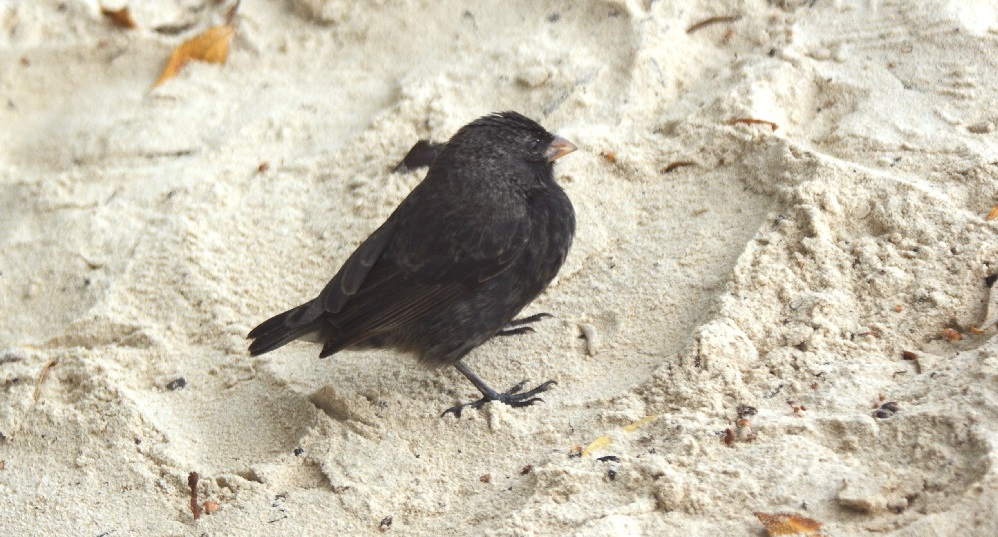
Small Differences That Changed Everything
Variations between species—sometimes almost invisible—revealed how environment shapes survival.
Over time, these differences became the foundation of understanding adaptation itself.
A Living Laboratory of Nature
The Galapagos are not just islands—they are a system where evolution, environment, and life continue to interact in visible ways.
Life That Learned to Adapt
Across the Galapagos, species evolved in response to highly specific environmental conditions.
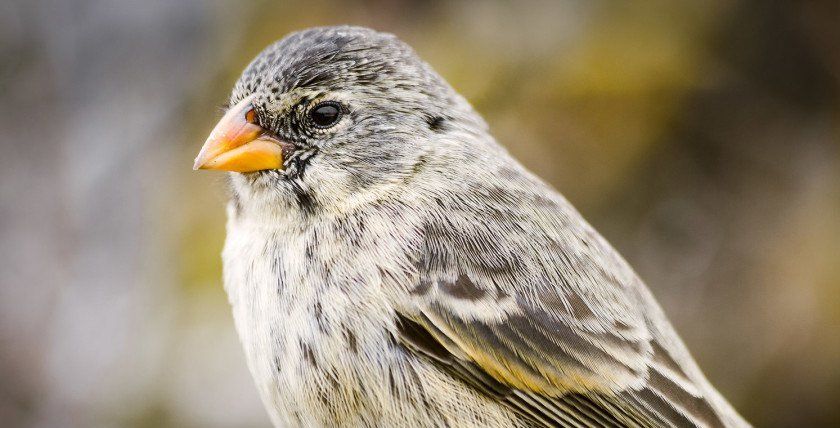
Precision in Survival
Each species reflects a direct response to its surroundings—food availability, terrain, and climate shaping behavior and form.
These adaptations are not random—they are precise, functional, and essential.
Marine Iguanas
Adapted to feed in the ocean, uniquely evolved among reptiles.
Darwin’s Finches
Beak variations revealed adaptation to different ecological niches.
Giant Tortoises
Long-lived species shaped by island-specific environments.
Observation That Changed Everything
The patterns observed here helped shape the understanding of how species evolve through environmental adaptation.
The Galapagos remain one of the clearest natural references for these processes.
Not Just a Destination
The Galapagos are more than a place to visit—they are an experience that changes how nature is understood.
Every island, every species, and every landscape reveals a system shaped by time, isolation, and adaptation.
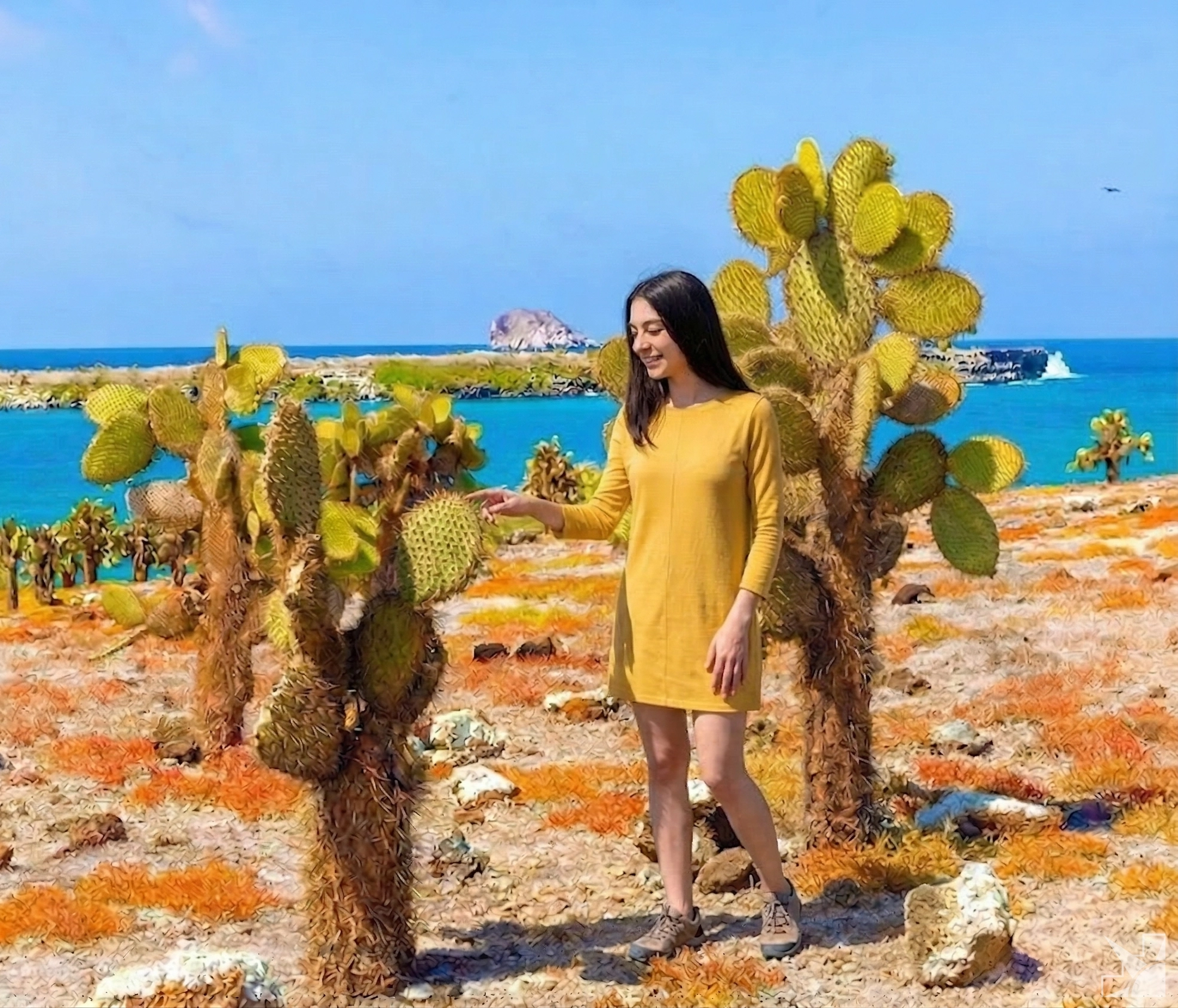
“In the Galapagos, evolution is not theory—it is visible.”
Experience the Galapagos Firsthand
Discover a destination where nature continues to evolve—and where every moment reveals something extraordinary.