Galapagos Travel Intelligence 2026

Galapagos Island Vacation: What Most Travelers Get Wrong Before They Even Arrive

Planning a Galapagos vacation goes far beyond choosing a hotel or cruise. Location, access, and ecological rules redefine what a “trip” actually means in one of the most protected destinations on Earth.

Where Are the Galapagos Islands Located—And Why That Matters

The Galapagos Islands sit nearly 1,000 kilometers (600 miles) off the coast of Ecuador, isolated in the Pacific Ocean. But this distance is not just geographic—it defines everything about how you experience them.

This remoteness limits infrastructure, controls visitor flow, and creates a travel environment where access is regulated, not assumed. Understanding this is the first step toward designing a meaningful journey.

Key Insight

The Galapagos are not a typical beach destination—they operate as a controlled ecosystem where movement and access are carefully designed.

Essential Facts

The Galapagos Islands Are Defined by Protection, Not Tourism

Over 97% of the Galapagos land area is protected national park territory, while the surrounding waters form one of the largest marine reserves in the world.

These conditions shape every itinerary—limiting where you can go, how long you can stay, and what type of experience is even possible.

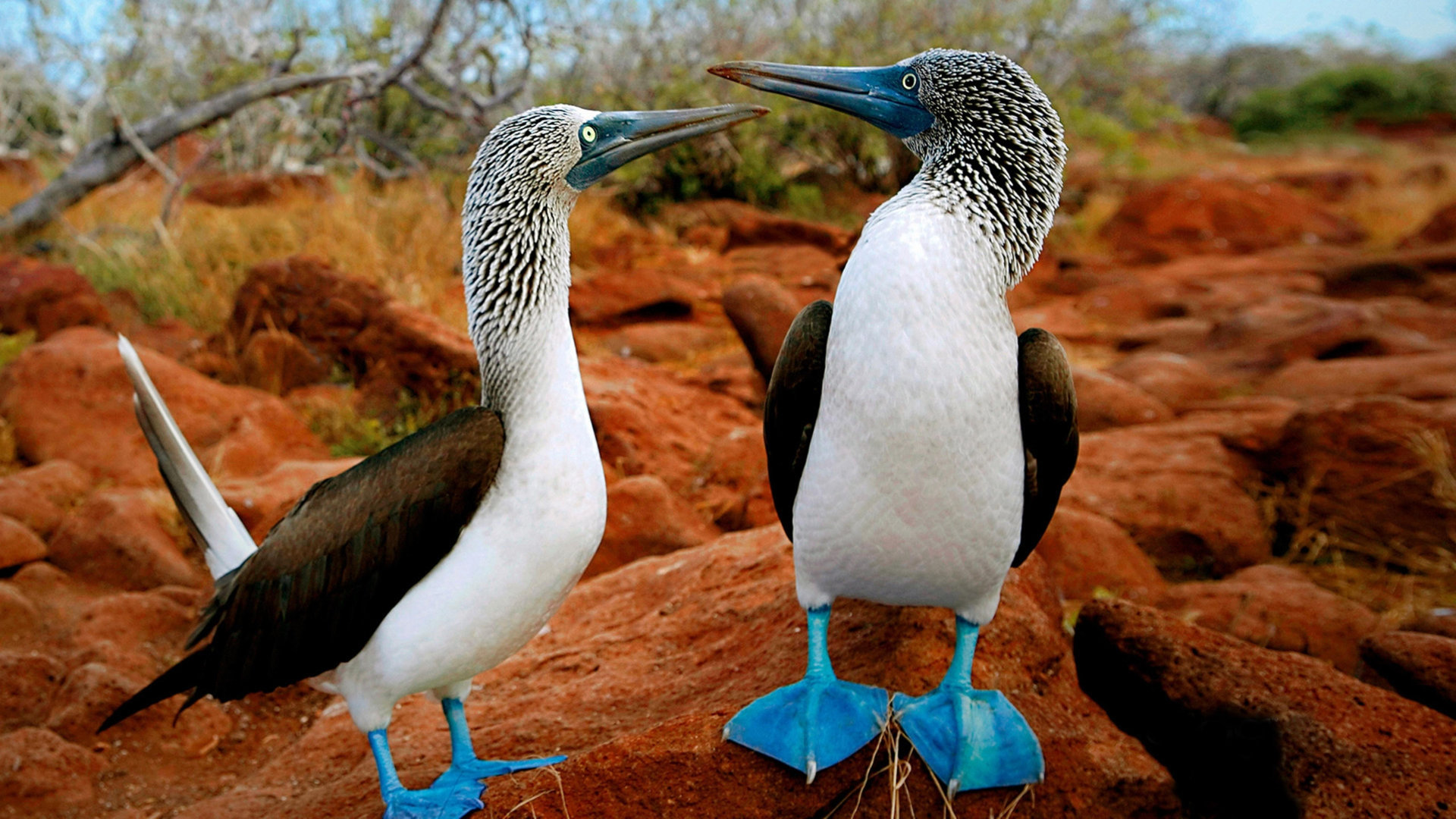
Two blue-footed boobies standing on rocky ground in Galapagos | Ile Tours
Two blue-footed boobies interacting on volcanic rock—high-demand species that reward low-density viewing strategies.
 

Hotels Exist—But They Don’t Define the Experience

Searching for hotels in the Galapagos is a natural starting point—but it can also be misleading. Unlike traditional destinations, where your hotel anchors your entire trip, here it only defines a fraction of what you can access.

Critical Insight

Most high-value wildlife sites are unreachable from land-based stays alone.
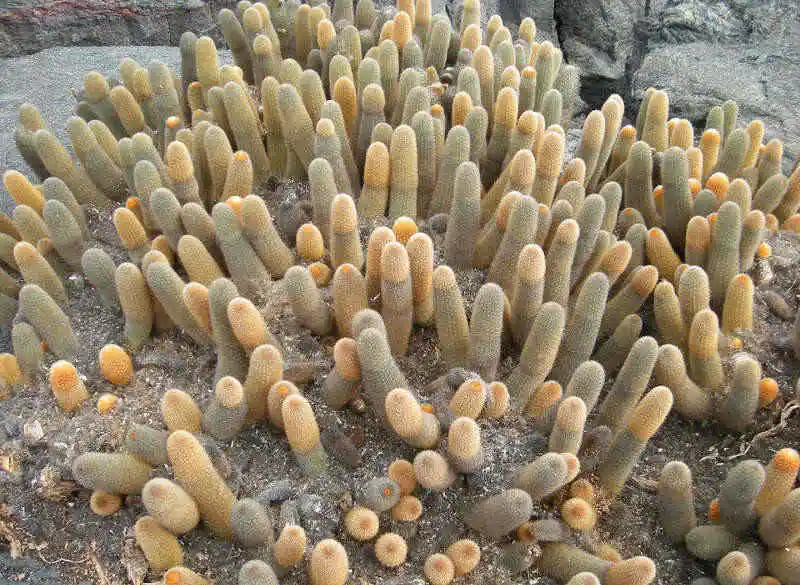
Cluster of cylindrical cacti growing in rocky soil in Galapagos | Ile Tours
Dense stand of columnar cacti highlighting the islands’ arid microhabitats and the varied landscapes visitors encounter.

Land-Based Stays

Comfortable and accessible, primarily located on inhabited islands. Ideal for cultural interaction—but limited in reach.

Expedition Routes

Licensed vessels unlock remote zones, following fixed navigation plans approved by park authorities.

Access Strategy

The depth of your experience depends on how these two elements are combined—not which one you choose alone.


Why a Galapagos Vacation Feels Fundamentally Different

You don’t move freely between locations. You don’t decide spontaneously where to go next. Every movement is pre-defined, timed, and regulated.

This constraint is not a limitation—it is the mechanism that protects the ecosystem and elevates the experience into something far more intentional.


Key Facts That Shape Every Journey

01

The islands sit in a unique convergence of ocean currents, creating extraordinary biodiversity.

02

Visitor sites operate on rotation systems to prevent environmental stress.

03

Wildlife encounters happen at extremely close distances due to lack of natural predators.


Final Perspective

The Galapagos Is Not a Destination.
It’s a System.

Geography, regulation, and conservation are not background elements—they are the framework that defines every moment of your journey.
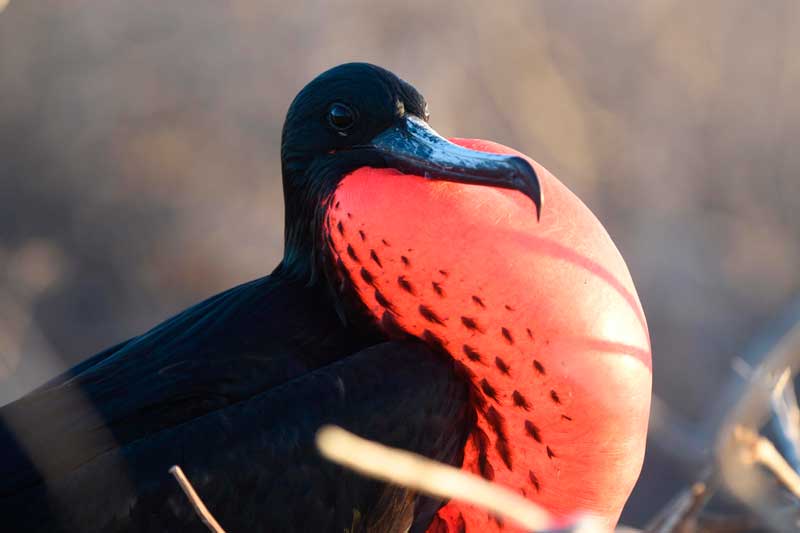
Male frigatebird with inflated red gular sac in Galapagos | Ile Tours
Magnificent frigatebird inflating its red throat pouch during courtship—an iconic behavior best seen in low-density conditions.

Location

Remote by design, not by chance.

Access

Defined through permits and timing.

Wildlife

Unfiltered, but carefully protected.

Experience

Built through planning, not chance.


Start With Understanding.
Finish With Access.

The most rewarding Galapagos journeys are not booked—they are constructed around how the islands actually function.

¿Tienes dudas? 

Chatea con nosotros