The Deep Dive Series: River Logistics
The Nile Dilemma
Private Yacht vs. The "Floating Hotel"
There is a pervasive myth about the Nile Cruise. It was sold to us by Agatha Christie and sustained by Hollywood: A gentle drift down a silent river, gin and tonic in hand, watching temples slide by in total solitude.
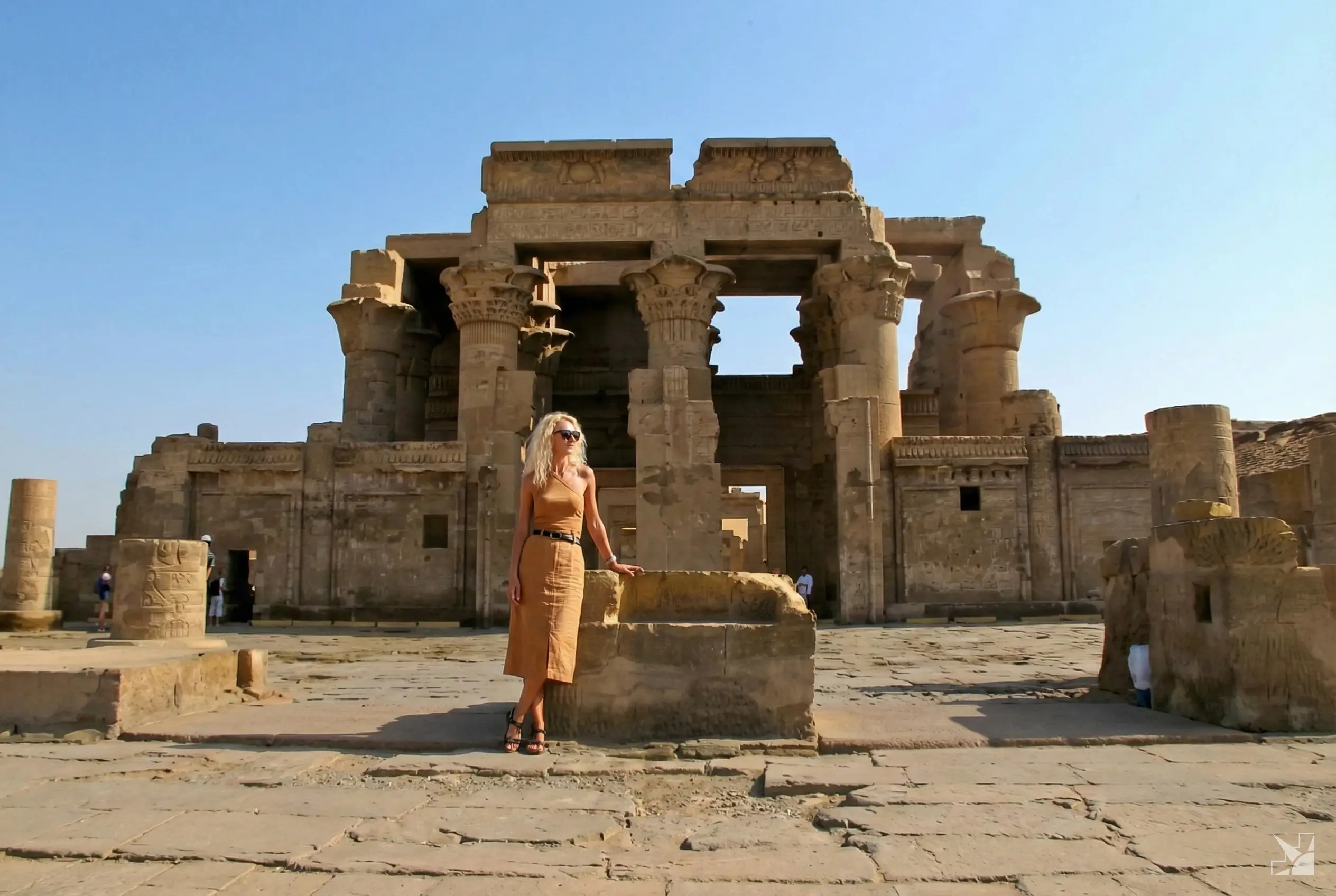
The reality in 2026 is often a violent shock to the senses.
If you book a standard cruise—even one labeled "Luxury" or "5-Star Deluxe"—you are not booking a private experience. You are booking a logistical slot in an industrial convoy. You are sharing your sunset with 200 other people on your deck, and 2,000 others on the ships docked parallel to you. You are docking at massive concrete piers in Luxor, sandwiched between ten other steel giants, looking into your neighbor's cabin instead of the riverbank. This is not luxury; this is mass transit with better linens.
The 2026 Reality Check
The definition of luxury has shifted. It is no longer about the thread count of your sheets (though that matters) or the gold plating on the taps. It is about Autonomy. On a big ship, the engine dictates your schedule. On a private yacht, the wind dictates your pace.
01. Anatomy of the Choice
To navigate the Nile correctly, you must understand the hardware. The market is flooded with options, but for the High-Net-Worth traveler, there are effectively only two categories worth discussing. This is a question of physics, not just aesthetics.
Category A: The Commercial
The "Floating Hotel"
(Oberoi, Sonesta, Mövenpick, etc.)
- Scale: 50 to 150 Cabins. Total population: 100 to 300 passengers plus 100 crew.
- Propulsion: Heavy Diesel Engines. Even in stationary mode, generators create a constant, low-frequency vibration.
- Access: High draft (depth). Must legally dock at major concrete government piers in city centers. Cannot access shallow waters or islands.
- The Vibe: Organized tourism. Buffet lines. Scheduled entertainment.
Category B: The Specialist
The "Dahabiya" Yacht
(Ile Tours Private Selection)
- Scale: 4 to 8 Cabins. Total population: 8 to 16 guests max.
- Propulsion: Wind Power (Two large lateen sails). A tugboat follows at a distance for windless days. Zero vibration.
- Access: Shallow draft. Can dock on private sandy beaches, remote quarries, and farming islands.
- The Vibe: Private residence. Chef cooks to order. Absolute silence.
The distinction is not just about size; it is about Geography. When you are on a massive ship, you are an observer looking down at Egypt from behind glass on a 4th-floor deck. When you are on a Dahabiya, the water level is three feet below your deck chair. You can trail your hand in the water. Farmers wave to you from the reeds because you are human-sized, not a floating skyscraper blocking their sun. This shift in perspective changes everything.
02. The Hidden Route
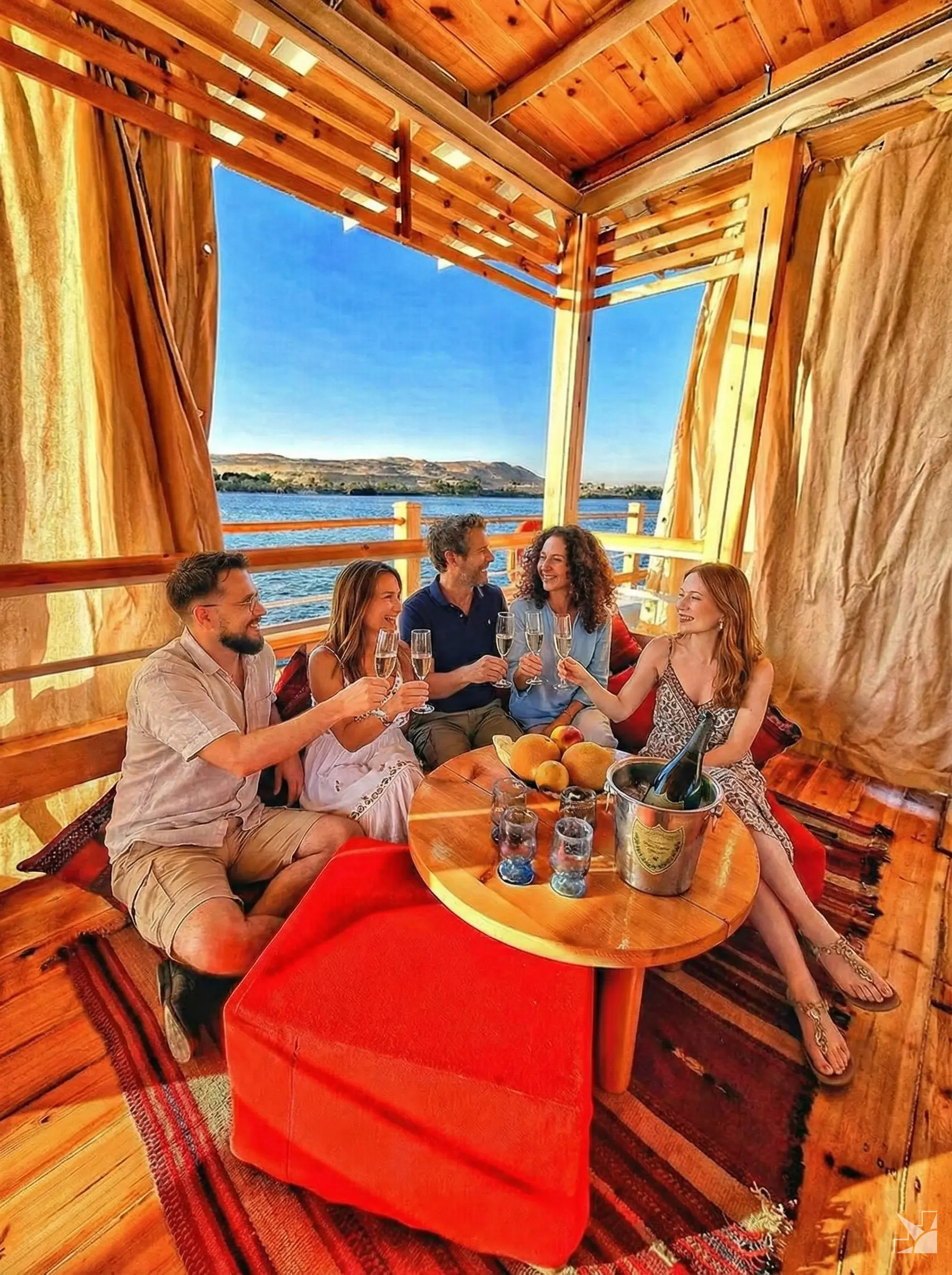
The itinerary of a commercial cruise ship is dictated by two non-negotiable factors: the depth of the river channel (draft) and the availability of massive concrete docking pylons. Consequently, they run on a fixed industrial track: Luxor, Edfu, Kom Ombo, Aswan. They race between these points to meet strict docking slots, often arriving at temples at the exact same time as twenty other ships. The result is a "conveyor belt" experience where you are herded through history in 90-minute blocks.
The Dahabiya shatters this limitation. Because our draft is shallow and we do not require infrastructure, we can access the "Invisible Egypt." We stop at sites that have been effectively deleted from the standard tourist map simply because they are logistically inconvenient for mass tourism.
The Access Case Study: Gebel el-Silsila
This site is the ultimate litmus test for a luxury itinerary. Silsila is the massive sandstone quarry where the blocks for Karnak and Luxor Temples were cut. It is a canyon of history directly on the water, featuring the rock-cut Temple of Horemheb and centuries of graffiti left by ancient workers.
The Difference: Big ships sail past Silsila at full speed; they physically cannot stop because the water is too shallow near the banks. Their passengers can only wave from the window. On a Dahabiya, we tie up directly to the ancient quarry stones. You walk off the boat and into the temple. You are typically the only humans there. You can touch the chisel marks left by workers 3,000 years ago. This is not sightseeing; this is immersion.
Beyond Silsila, the freedom of the Dahabiya allows us to explore El Kab, the ancient city of Nekheb. While the crowds are fighting for space at the Temple of Edfu, we explore the rock-cut tombs of the nobles of the New Kingdom at El Kab. The artwork here describes daily life—farming, fishing, parties—rather than just religious rituals. It offers a human perspective on the Pharaohs that you miss in the giant monuments. We access this by walking through a small fishing village, an interaction that is impossible when disembarking from a secure port terminal.
03. The Physics of Silence
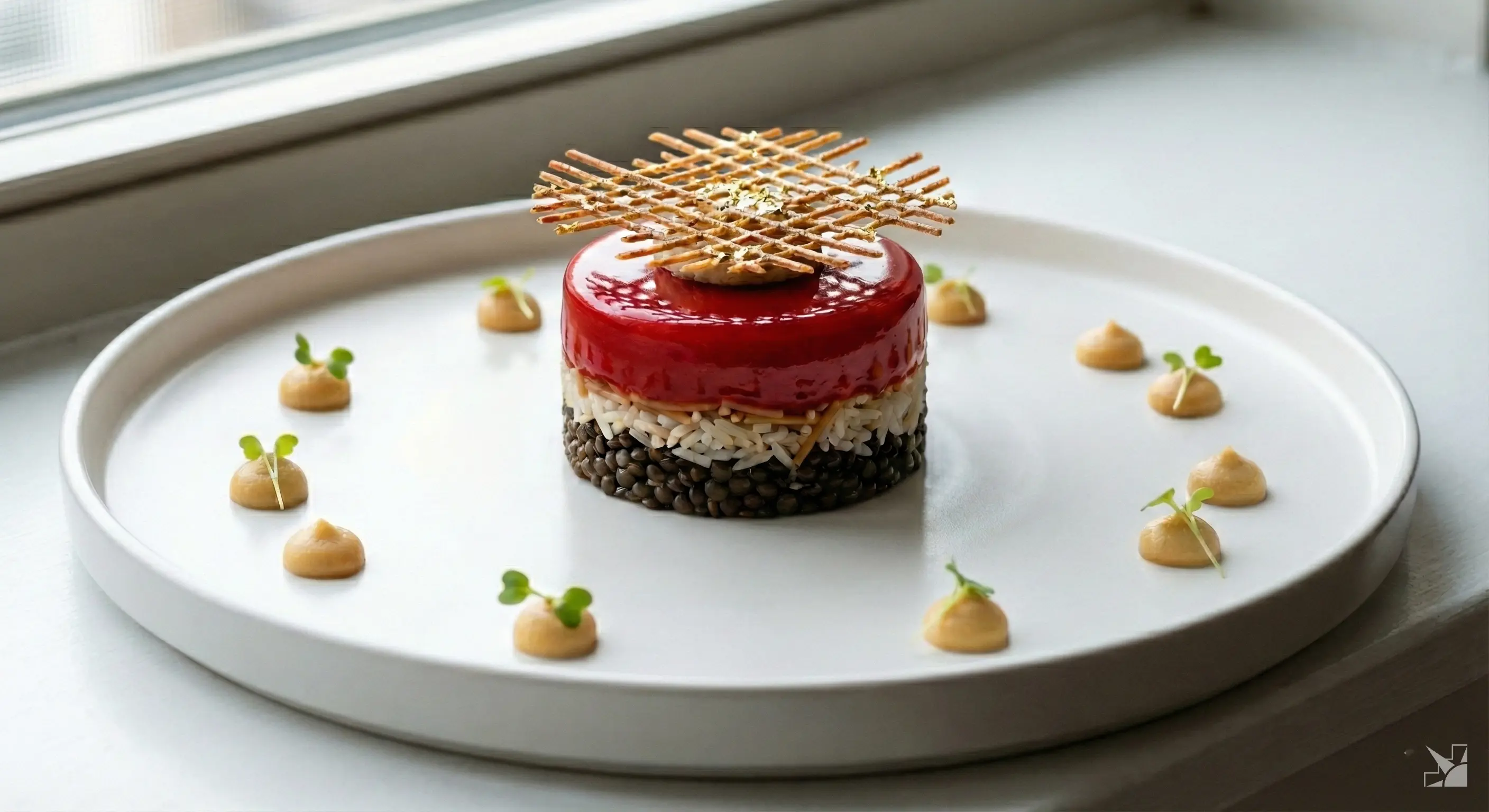
In a world of constant digital notification and urban noise, silence has become the most expensive luxury commodity. The acoustic environment of your trip will define your memory of it. To understand this, we must look at the marine engineering.
The Generator Problem: A standard cruise ship is, structurally, a floating hotel block. It requires massive diesel generators running 24/7 to power the air conditioning for 100 cabins, the industrial kitchens, the elevators, and the sewage treatment systems. Even in the most expensive suites on the best ships (like the Oberoi Zahra or Historia), there is a subtle, pervasive vibration and a low-frequency hum. You are never truly in nature; you are inside a machine looking at nature through sealed glass.
The Wind Solution: A Dahabiya is designed to sail. When the North Wind catches the two lateen sails, the tugboat cuts its engine, and the boat surges forward in absolute silence. The only sound is the water breaking against the wooden hull and the snapping of the canvas. This "Audio Detox" allows your brain to actually process the magnitude of the landscape.
The "Night Docking" Protocol
Perhaps the most critical difference is where you sleep. Commercial ships are legally required to dock in secured city ports (Luxor, Edfu, Kom Ombo, Aswan) at night to hook up to municipal power and water. This means you are sleeping next to a busy road, smelling diesel fumes from neighboring ships, and hearing the city traffic. You are effectively in a hotel in a city center.
The Ile Tours Advantage: Because we are self-sufficient, we never dock in cities at night. We drop anchor near remote farming islands or quiet sandy banks under the stars. We light a fire on the shore. The air is clean. The silence is absolute. You are sleeping inside the geography of the Nile, not adjacent to it.
04. The Culinary Truth: Frozen vs. Farm
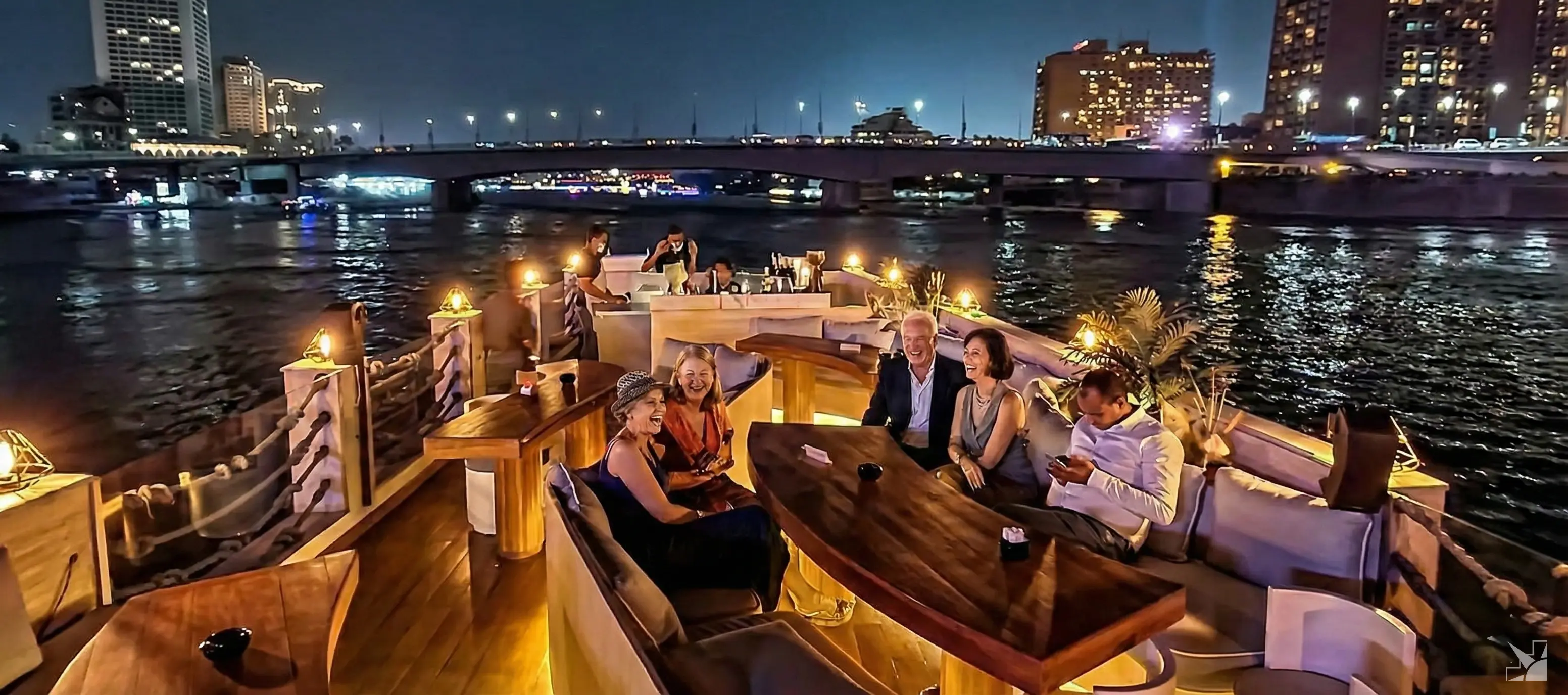
There is a logistical reality about feeding 300 people on a boat three times a day: it requires industrial efficiency. On large cruise ships, even "gourmet" meals are often prepared days in advance in industrial kitchens, frozen, and reheated. The vegetables are sourced in bulk from Cairo warehouses to last the entire week. The experience is "Banquet Hall," not "Fine Dining."
The Dahabiya operates on a strictly "Farm-to-Deck" philosophy. Because we only feed 10 to 16 guests, our chef does not need a walk-in freezer. He needs a local market.
The Big Ship Buffet
The Schedule: Fixed dining times (e.g., Lunch is strictly 1:00 PM - 2:30 PM). If you are late, you miss it.
The Food: International generic cuisine (Pasta, Chicken, Beef) designed to offend no one. Ingredients are chosen for shelf-life, not flavor.
The Dahabiya Chef
Dynamic Sourcing: The chef walks off the boat into the villages we pass. He buys Nile Perch caught that morning by local fishermen. He buys mangoes, dates, and tomatoes directly from the farmers on the riverbank.
Customization: You want dinner at 9:30 PM under the stars? Done. You want to try a specific Egyptian dish like Molokhia or Stuffed Pigeon? The chef makes it for you. You are not a passenger number; you are a guest at a private dinner party.
05. The Bio-Security Bubble
In the post-2020 world, health and security are paramount for the luxury traveler. The "Floating Hotel" is, by definition, a high-density environment. You are sharing air conditioning systems, buffet utensils, handrails, and lobby spaces with hundreds of strangers from around the world.
The Dahabiya offers a natural Bio-Security Bubble. With only 6 to 8 cabins, the population density is negligible. The boat is open-air by design. You spend your time on the shaded sun deck, not in enclosed hallways with recycled air. The crew is small, vetted, and dedicated solely to your group.
Strategic Timing: The Ultimate Defense
Safety is also about avoiding the chaos. Big ships operate on identical schedules. They all arrive at the Temple of Edfu at 8:00 AM. It is a stampede.
Because the Dahabiya is independent, we use "Counter-Cyclical Scheduling." When the big ships are at the temple, we are sailing. When the big ships are eating lunch, we visit the temple. We enter the monuments when they are empty. This not only provides a better photo opportunity; it provides peace of mind.
"The Nile is not a place to be rushed."
The difference between a trip and a journey is the vessel you choose. Do you want to see Egypt from behind the glass of a floating hotel, or do you want to touch the water? The choice is yours, but the memory will last forever.
PRIVATE CHARTERS & SMALL GROUPS • 2026 SEASON
Ile Tours Intelligence
Redefining the standard of luxury travel in Egypt. Authenticity, Privacy, and Logistics.