Forget Paris. Forget Tokyo. In 2026, the most exciting table in the world is in a valley in southern Mexico. Oaxaca has transcended its reputation as a "backpacker hub" to become the global epicenter of high-gastronomy and indigenous art. It is a place where Michelin-starred chefs from New York come to learn, not to teach.
But Oaxaca is complex. It is not a polished resort town; it is a city of layers, ancient rituals, and "controlled chaos." For the luxury traveler, navigating Oaxaca requires a distinct playbook. It’s not about finding the most expensive hotel; it’s about gaining access to the private mezcal palenques, the atelier of a master weaver, and the kitchen of a "Mayora" who has been perfecting a single sauce for 50 years. This is your guide to the soul of Mexico.
1. The Mole Theology: Why It’s Not Just "Sauce"
| Decoding the Most Complex Dish on the Continent |
To call Mole a "sauce" is an insult. In Oaxaca, Mole is the main course; the protein (chicken, turkey) is merely the vehicle. A true *Mole Negro* takes three days to make and contains over 30 ingredients, including burnt tortillas, plantains, chocolate, nuts, and six types of chilies. It is closer to a complex French curry than a salsa. Where to Eat (High vs. Low):
|
2. Liquid Art: The Private Mezcal Experience
| Why "Wild Agave" is the New Rare Scotch |
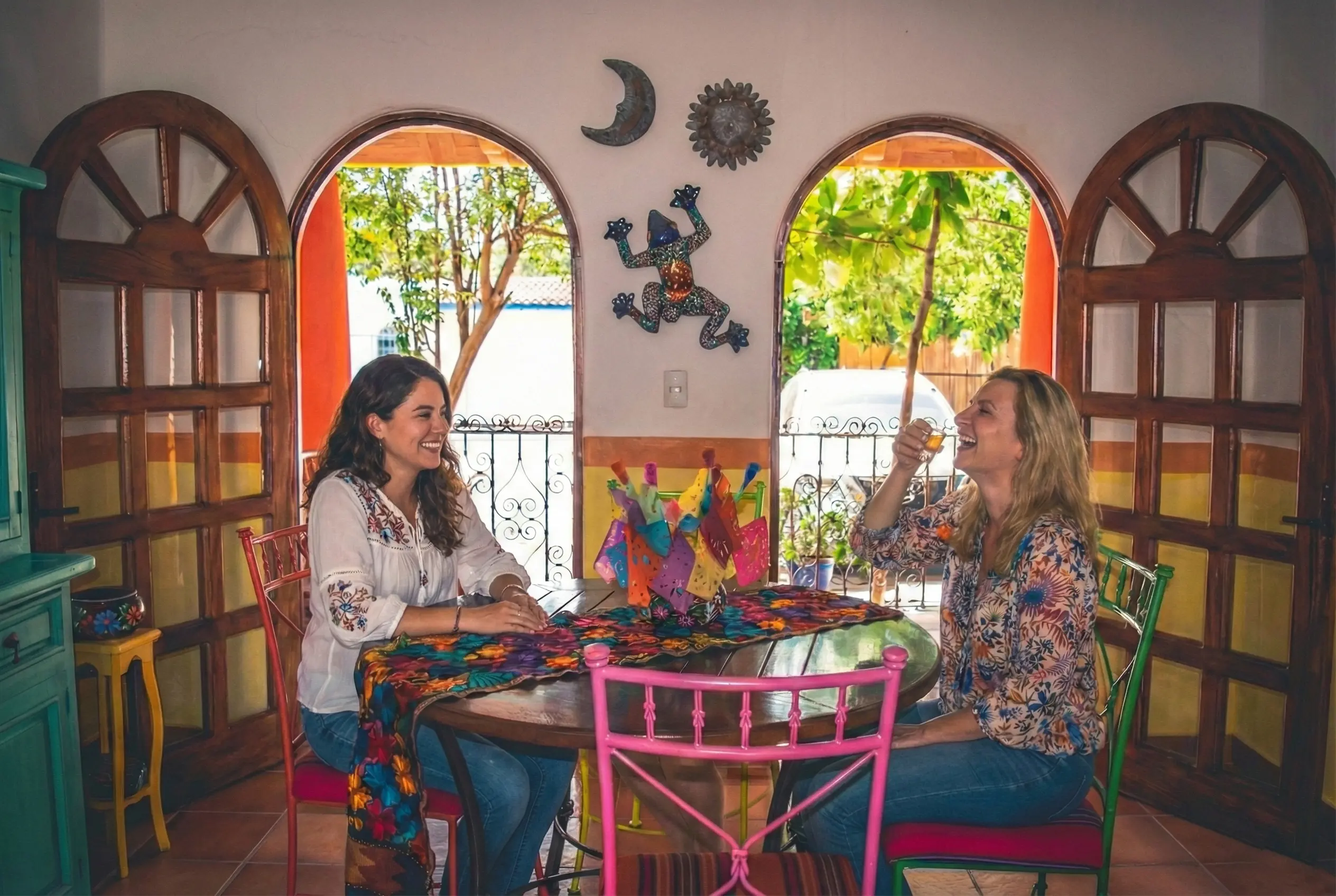
If you are still drinking Tequila, you are missing the point. Mezcal is the spirit of 2026. But we are not talking about the smoky, industrial stuff sold in airport duty-free shops. We are talking about Wild Agaves (Agaves Silvestres). The Education: A luxury tasting isn't about shots and lime. It's about terroir.
|
3. Textile Hunting: The Carpets of Teotitlán
| Buying Art, Not Souvenirs |
Oaxaca is the land of textiles. But the discerning buyer heads straight to Teotitlán del Valle, a Zapotec village famous for its wool rugs. The Cochineal Miracle: The vibrant reds you see in Oaxacan textiles come from the Cochineal, a tiny insect that lives on cactus pads. When crushed, it produces a blood-red dye that was once more valuable than gold to the Spanish Crown.
|
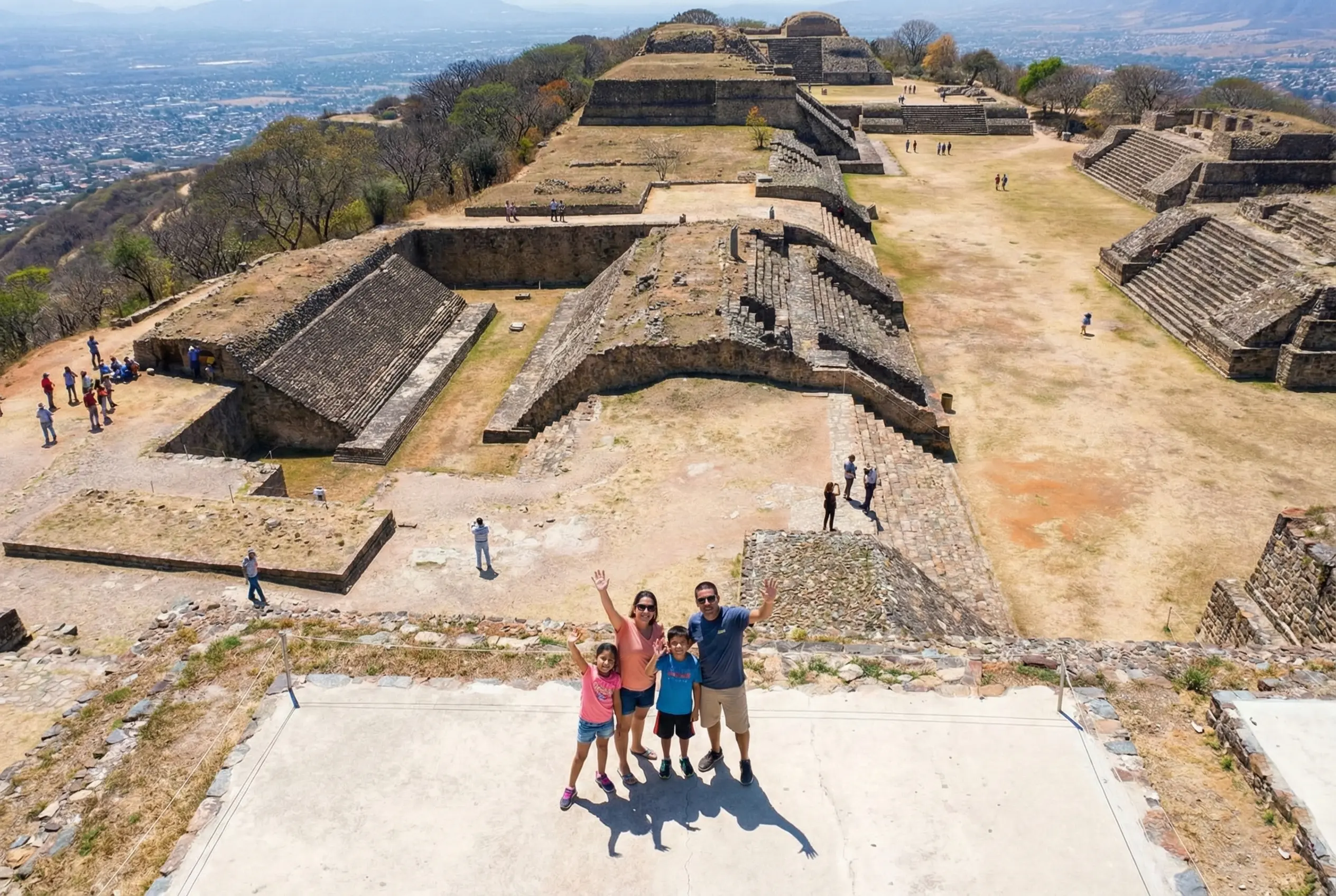
4. Monte Albán: The Zapotec Olympus at Sunset
| Why This Mountaintop City Beats Chichén Itzá |
While the Maya were building in the flat jungle, the Zapotecs were engineering miracles in the clouds. Monte Albán is not just a ruin; it is a flattened mountaintop city that served as the political and economic heart of the region for a thousand years. The Engineering Feat: Imagine leveling a mountain without the wheel or metal tools. The scale of the Main Plaza is dizzying. It is open, vast, and acoustically perfect. You can whisper at one end of the plaza, and your partner can hear you clearly 300 meters away at the other end. The "Golden Hour" StrategyMost tour buses arrive at 10:00 AM. By noon, the sun is brutal.
|
5. Hierve el Agua: The Petrified Waterfall
| A Geological Anomaly (Instagram vs. Reality) |
There are only two places in the world like this: Pamukkale in Turkey and Hierve el Agua in Oaxaca. These are not waterfalls of water, but of stone. Over thousands of years, mineral-rich spring water has trickled down the cliff face, depositing calcium carbonate and creating massive white rock formations that look exactly like freezing water. The Logistics of Luxury: This site has exploded in popularity. The narrow mountain road can get clogged with vans.
|
6. Sleeping in Art: The Rise of Oaxacan Design Hotels
| Where Architecture Meets Mezcal |
Oaxaca does not do "Big Box" luxury. You won't find a Ritz-Carlton here. Instead, you find intimate properties that blend colonial heritage with brutalist modern design. The Ultimate Splurge: Casa SilencioLocated 45 minutes outside the city, in the middle of the "Valley of Silence," stands Casa Silencio. It is the hotel of the famous Mezcal El Silencio brand.
In the City: Pug Seal & Hotel EscondidoFor those who want to be walkable to the markets:
|
7. The Art of "Jalatlaco": The Coolest Neighborhood
| Walking Through a Living Mural |
Just a 10-minute walk from the busy Centro Histórico lies Jalatlaco. Time Out magazine recently named it one of the "Coolest Neighborhoods in the World," and for good reason. The Aesthetic: It is a cobblestone labyrinth where every wall is a canvas. Unlike the graffiti in other cities, the street art here is curated and respectful, focusing on Day of the Dead motifs, skeletons (Catrinas), and Zapotec patterns.
|
8. The Security Reality: Understanding the "Bloqueos"
| Navigating Oaxaca’s Unique Social Democracy |
A responsible luxury guide must address the elephant in the room: Oaxaca is famous for its political activism. Teachers' unions and local groups often stage "bloqueos" (road blockades) or protests in the Zócalo. For a first-time visitor, this can look alarming on the news. The Insider Truth: These protests are almost exclusively non-violent and targeted at the government, not tourists. In fact, Oaxacans are fiercely protective of their visitors.
|
9. The "Black Clay" Secret: San Bartolo Coyotepec
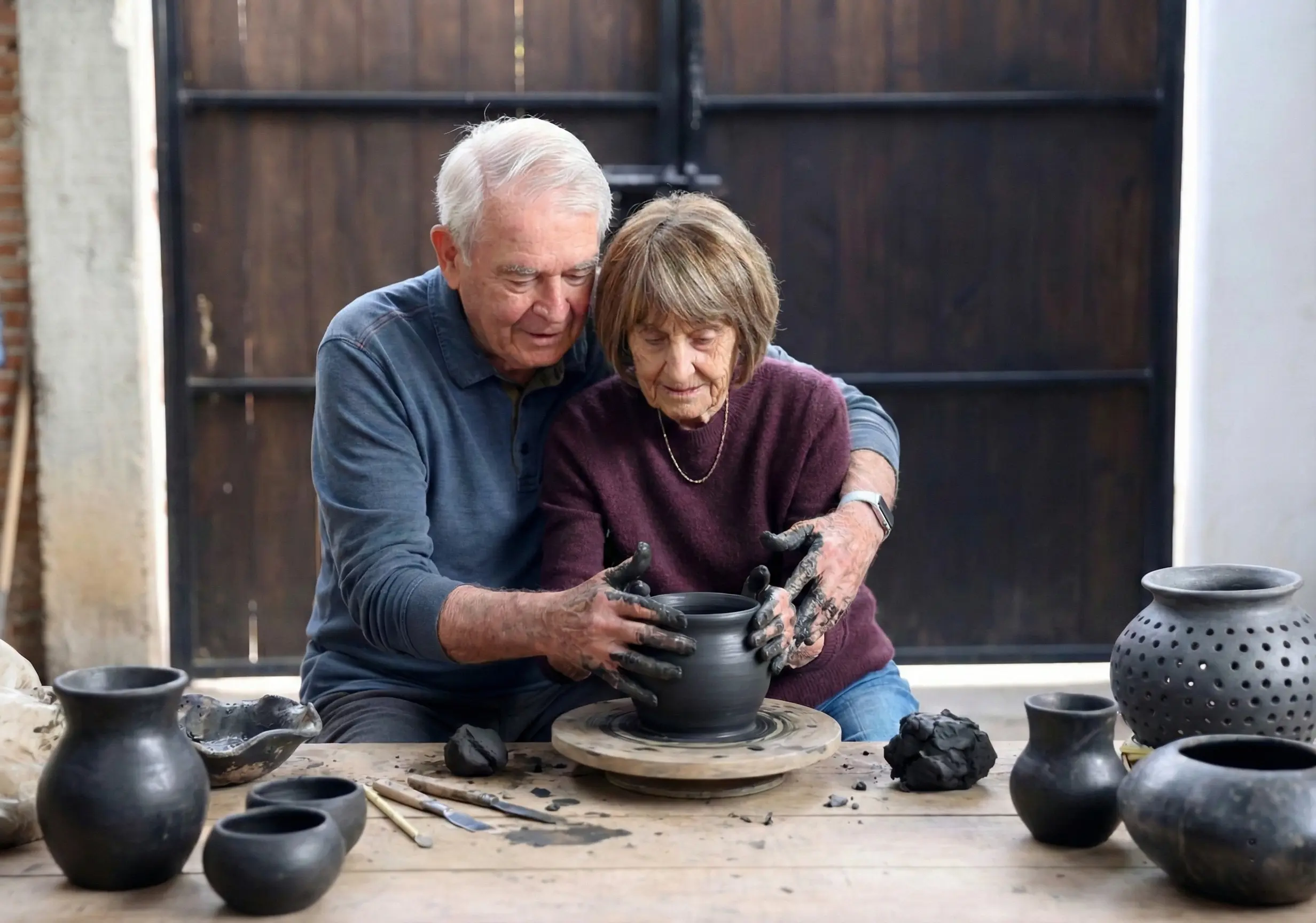
| Pottery That Looks Like Metallic Glass |
You will see shiny black pottery all over Mexico, but it originates from one specific town 20 minutes from Oaxaca City: San Bartolo Coyotepec. The Science of Shine: Authentic Barro Negro is not glazed. It is not painted. The metallic, gunmetal shine is achieved by "burnishing" (polishing) the dry clay with a quartz crystal before firing. It is a labor-intensive technique popularized by the legendary artisan Doña Rosa in the 1950s.
|
10. Día de Muertos: The 12-Month Rule
| Why You Need to Book November 2026... Right Now |
Oaxaca hosts the most visually stunning Day of the Dead celebration on the planet. It is not a Halloween party; it is a deeply spiritual reunion with the departed. The streets are carpeted in marigolds (Cempasúchil), and the cemeteries glow with thousands of candles. The Logistics Crisis: Because of the Pixar movie Coco and global Instagram fame, Oaxaca sells out.
|
11. The Practical Toolkit: Packing for the Valley
| Altitude, Sun, and Cobblestones |
Oaxaca is deceptive. It looks tropical, but the city sits at 1,500 meters (5,000 feet) above sea level.
|
12. How to Book It: The Oaxaca Connection

| Integrating Oaxaca into Your Mexico Circuit |
Oaxaca stands perfectly on its own, but it shines brightest when paired with Mexico City or the coast. Recommended Circuits1. The "Mexico Contrasts" Circuit (10 Days): This itinerary perfectly balances the cosmopolitan energy of Mexico City with the indigenous soul of Oaxaca. You fly from the capital to Oaxaca, enjoying the transition from Aztec history to Zapotec culture. 2. The "Sun Road" Extension: For those who want beach and culture, we can customize a route that takes you from the mountains of Oaxaca down to the Pacific coast (Puerto Escondido or Huatulco) via private air charter or scenic drive, bypassing the long bus rides. |
Final Verdict: The Soul of Mexico
You visit Cancún to forget your life. You visit Oaxaca to understand life. It is complex, flavored with smoke and earth, and profoundly beautiful. In a world of sanitized travel experiences, Oaxaca remains beautifully human.
The secret is out, and availability is vanishing.
Contact Ile Tours today to secure your table at Criollo and your room at Casa Silencio.